ADVERTISEMENT
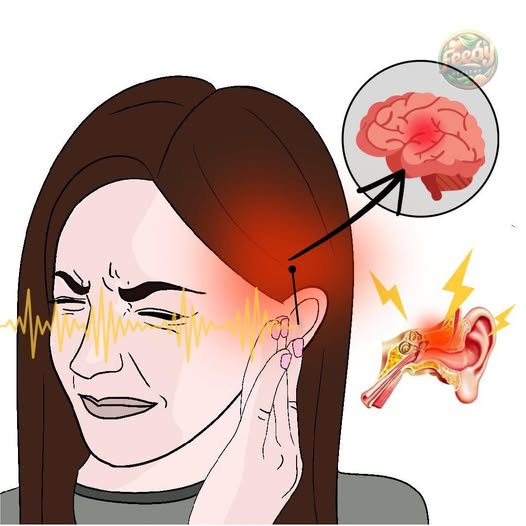
If you hear a persistent ringing or buzzing in your ears, it’s often a sign that you may have tinnitus. Tinnitus is the perception of noise in the ears or head in the absence of external sound.
While the sounds can vary—from ringing and buzzing to hissing or clicking—they are usually only heard by the affected person. Tinnitus is a symptom of an underlying condition, not a disease itself. It can be frustrating and disruptive, but with the right strategies, you can manage the symptoms and regain control of your daily life. Understanding tinnitus Tinnitus is a widespread condition that affects millions of people. It’s often associated with hearing loss, but it can also be caused by ear injuries, poor circulation, or exposure to loud noises. The noise you hear is often the brain’s response to hearing loss, but it can also be a sign of a more serious problem, so it’s important to consult a doctor. There’s no single cure for tinnitus, but several practical strategies can help you manage your symptoms and make the ringing less noticeable. 1. Protect your hearing Preventing further damage to your ears is one of the most important steps in treating tinnitus. Avoid loud noises that can worsen tinnitus, such as concerts, fireworks, or power tools. The louder the sound and the longer the exposure, the greater the risk of hearing damage. Use hearing protection (earplugs or noise-cancelling headphones) in noisy environments. This creates a barrier between your ears and harmful noise. Lower the volume on your devices, especially if you’re using headphones. Apply the 60/60 rule: don’t listen to music at more than 60% of maximum volume for more than 60 minutes at a time. 2. Keep your ears clean Excessive earwax buildup can contribute to or worsen tinnitus. Use gentle ear cleaning methods , such as a few drops of warm water or over-the-counter ear drops specifically designed to soften earwax. Avoid cotton swabs , as they can push wax deeper into the ear canal, which could cause a blockage and increase the risk of infection or further irritation. See a doctor if you suspect a blockage or need a professional ear cleaning. An audiologist can safely remove earwax and help you rule out other
ADVERTISEMENT
