ADVERTISEMENT
Easy Tricks to Grow Gorgeous Hydrangeas in Your Garden
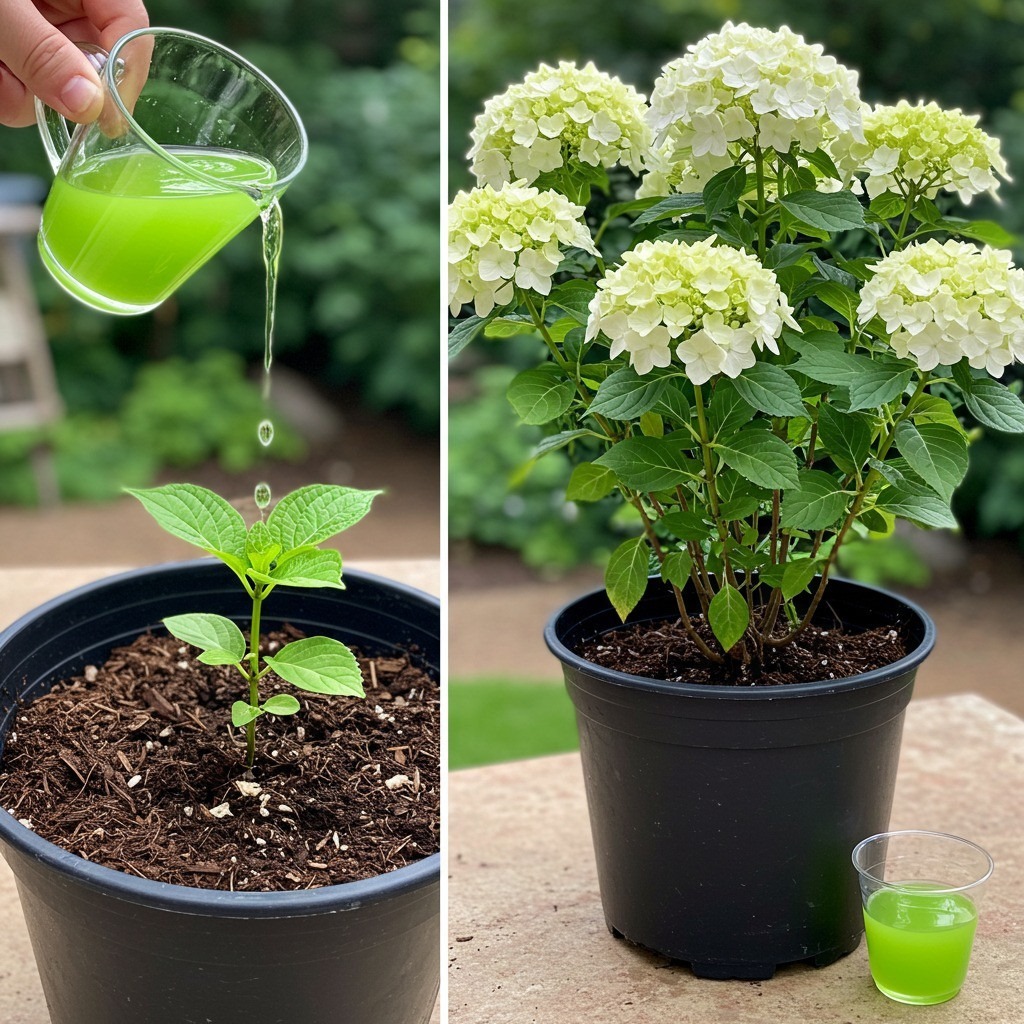
Hydrangeas are among the most beloved garden flowers thanks to their large, colorful blooms and lush foliage. Whether you prefer the soft blues, bright pinks, or creamy whites, these stunning shrubs can transform your garden into a showpiece. The good news? With just a few simple techniques, you can grow healthy, thriving hydrangeas that will bloom beautifully year after year.
Choosing the Right Spot for Hydrangeas
Location is key to hydrangea success. These flowering shrubs thrive in partial sun to partial shade, making them ideal for spots that get morning sunlight and afternoon protection. Too much direct sunlight can scorch the leaves, while too much shade can reduce blooming. Make sure your soil is well-draining, as hydrangeas dislike sitting in waterlogged soil.
Soil and Watering Tips
Hydrangeas love consistently moist soil. Water deeply at least once a week, more often during hot or dry periods. Mulching around the base of the plant helps lock in moisture and regulate soil temperature.
An exciting feature of hydrangeas is their ability to change bloom color based on soil pH:
-
Acidic soil (pH below 6) produces blue flowers.
-
Alkaline soil (pH above 7) results in pink flowers.
-
Neutral soil often gives purple or mixed tones.
For bluer blooms, add aluminum sulfate to the soil. For pinker flowers, incorporate lime.
Pruning for Bigger Blooms
Knowing when and how to prune your hydrangeas makes all the difference.
-
Bigleaf and Oakleaf hydrangeas bloom on old wood, so prune right after flowering.
-
Panicle and Smooth hydrangeas bloom on new wood, so prune in late winter or early spring before new growth begins.
Remove dead or weak stems and shape the plant for better airflow, which reduces disease and encourages strong blooms.
Fertilizing Hydrangeas the Right Way
Hydrangeas benefit from a balanced fertilizer applied in early spring and again in mid-summer. A slow-release fertilizer works best, feeding the plant gradually and supporting continuous growth. Be careful not to over-fertilize, as this can produce more foliage than flowers.
Extra Tricks for Gorgeous Hydrangeas
-
Protect in Winter: In colder climates, cover the base of the plant with mulch or straw to shield roots from frost.
-
Deadhead Spent Blooms: Removing faded flowers encourages the plant to put energy into new growth.
-
Container Growing: Hydrangeas also thrive in pots, allowing you to control soil conditions more easily.
Conclusion
Growing gorgeous hydrangeas in your garden doesn’t have to be complicated. With the right location, consistent watering, proper pruning, and a little attention to soil conditions, these flowering shrubs will reward you with vibrant, long-lasting blooms year after year. Whether you’re a beginner gardener or a seasoned pro, hydrangeas are a timeless favorite that add charm, color, and elegance to any outdoor space.
ADVERTISEMENT
