ADVERTISEMENT
Is Stale a Bread Safe to Eat? You Need to Know This
Bread is a staple in many households, but it doesn’t take long before a fresh loaf turns hard and loses its soft, fluffy texture. If you’ve ever wondered whether stale bread is safe to eat, you’re not alone. The short answer is yes—stale bread is generally safe to eat as long as there is no mold. Let’s explore the difference between stale and spoiled bread, how to use it, and when to throw it away.
Stale vs. Spoiled Bread
It’s important to understand the difference between stale bread and bread that has actually gone bad.
-
Stale Bread: When bread becomes stale, it simply dries out. The starch molecules in the bread recrystallize, making the texture hard and chewy. It may not taste as pleasant, but it’s not harmful.
-
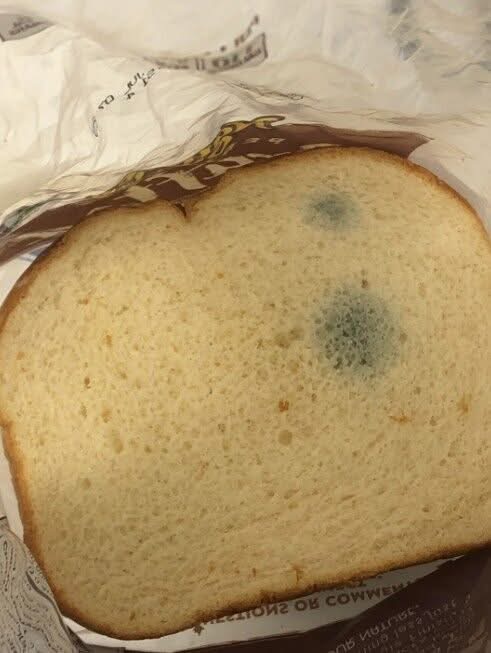
Spoiled Bread: Bread that shows visible mold, smells sour, or has a strange taste should not be eaten. Mold can produce harmful toxins that are unsafe, even if you cut off the moldy part.
So, stale bread is safe, but moldy bread should always be thrown away.
Ways to Use Stale Bread Safely
Instead of tossing out stale bread, there are plenty of ways to repurpose it into something delicious. Here are some ideas:
-
Homemade Croutons – Cut stale bread into cubes, toss with olive oil and seasoning, then bake until crispy. Perfect for salads or soups.
-
French Toast – Stale bread absorbs the egg mixture better, making it ideal for rich, custardy French toast.
-
Bread Pudding – A classic dessert that turns dried-out bread into a creamy, comforting treat.
-
Breadcrumbs – Blend stale bread in a food processor and store the crumbs for breading chicken, fish, or vegetables.
-
Stuffing – Stale bread is perfect for holiday stuffing or savory casseroles.
When Not to Eat Stale Bread
Even though stale bread is safe, there are times you should avoid it:
-
Mold Growth: Any signs of green, black, or white fuzzy spots mean the bread is spoiled.
-
Strange Smell: If the bread smells sour or unusual, it’s no longer safe.
-
Stored Too Long: Bread left out for weeks may not show visible mold but could still harbor bacteria or toxins.
Always trust your senses—if in doubt, throw it out.
Tips to Keep Bread Fresh Longer
-
Freezing: Store leftover bread in the freezer, then toast slices when needed.
-
Airtight Container: Keep bread in a sealed bag or container to reduce air exposure.
-
Avoid Refrigeration: Refrigerating bread can speed up the staling process, making it hard faster.
Conclusion
So, is stale bread safe to eat? Yes—if it’s simply dried out, it’s harmless and can be used in many tasty recipes. The real danger comes from mold and spoilage, so always check carefully before eating. With a little creativity, stale bread can be transformed into croutons, French toast, or breadcrumbs, ensuring nothing goes to waste.
ADVERTISEMENT
