ADVERTISEMENT
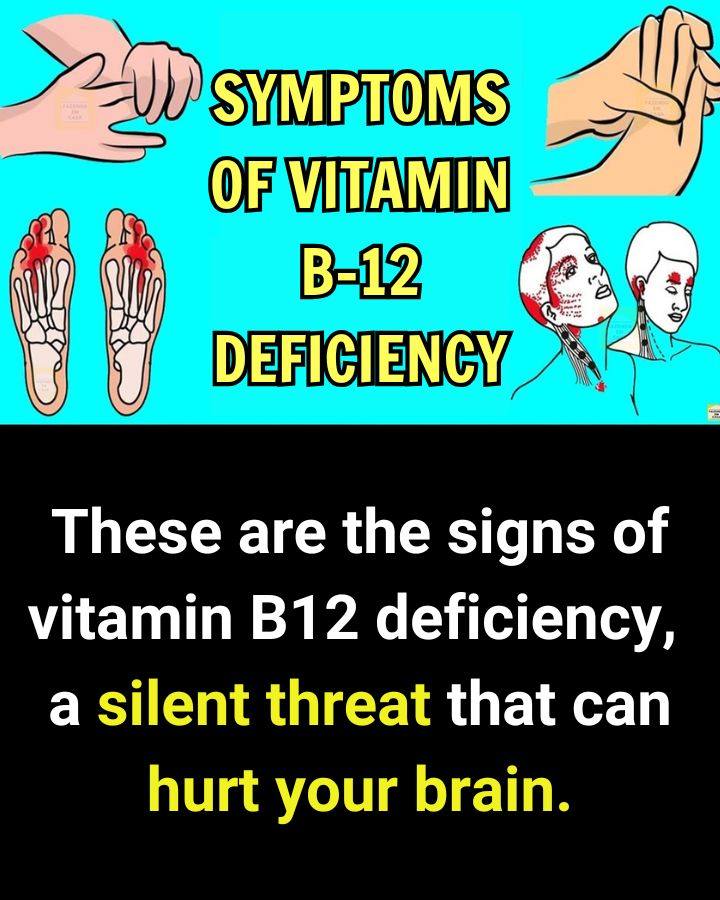
Anemia
Cardiovascular problems
Reduced vision capacity
Depression and neurological disorders
Fatigue and exhaustion
Headaches and difficulty concentrating
Digestive problems
Nervousness and irritability
Pain, numbness, or tingling in the hands, arms, legs, and feet
Shortness of breath
Pale or yellowish skin
Poor memory or confusion
Muscle weakness
Loss of appetite and weight loss
Balance and coordination problems
Causes of Vitamin B12 Deficiency
Vitamin B12 deficiency can result from insufficient intake or poor absorption. Common causes include:
Low dietary intake: Diets lacking animal products or fortified foods.
Stomach inflammation (gastritis): Reduced stomach acid limits absorption.
Pernicious anemia: A rare condition where the body lacks intrinsic factor, needed for B12 absorption.
Digestive disorders: Conditions such as Crohn’s disease or celiac disease.
Gastrointestinal surgery: Procedures like gastric bypass can impair absorption.
Excessive alcohol use: Damages the digestive system and reduces absorption.
Genetic factors: Rare disorders like transcobalamin II deficiency interfere with B12 transport.
Foods Rich in Vitamin B12
The recommended daily intake of vitamin B12 depends on age, sex, and health conditions. To prevent deficiency, include these foods in your diet:
Liver – Up to 20 µg per 100 g; also rich in iron and vitamin B6.
Shellfish (oysters, cockles, scallops) – Cockles provide 80–100 µg per 100 g; oysters 16–18 µg; scallops around 1.5 µg.
Salmon – About 3 µg per 100 g, also a source of omega-3 fatty acids.
Tuna – Around 2.2–2.4 µg per 100 g, plus protein and potassium.
Ground beef – About 2.2–2.5 µg per 100 g, also rich in iron.
Milk – A 250 ml glass provides 1.1–1.4 µg, along with calcium.
Natural yogurt – Around 1 µg per 150 g, plus probiotics for gut health.
Eggs – Approximately 0.6 µg per egg, also containing vitamin D and healthy fats.
Fortified foods – Breakfast cereals and enriched nutritional yeast (up to 23–25 µg per 15 g).
Conclusion
Vitamin B12 is essential for nerve health, red blood cell production, and energy metabolism. A deficiency can cause a wide range of symptoms, from fatigue and anemia to neurological problems.
The good news is that vitamin B12 deficiency is both preventable and treatable through diet and supplementation. Recognizing the signs early and addressing the root causes is key to avoiding long-term complications.
Note: If you suspect you have symptoms of vitamin B12 deficiency, consult a healthcare professional for testing and guidance.
ADVERTISEMENT
