ADVERTISEMENT
Glucosinolates and Thyroid Concerns
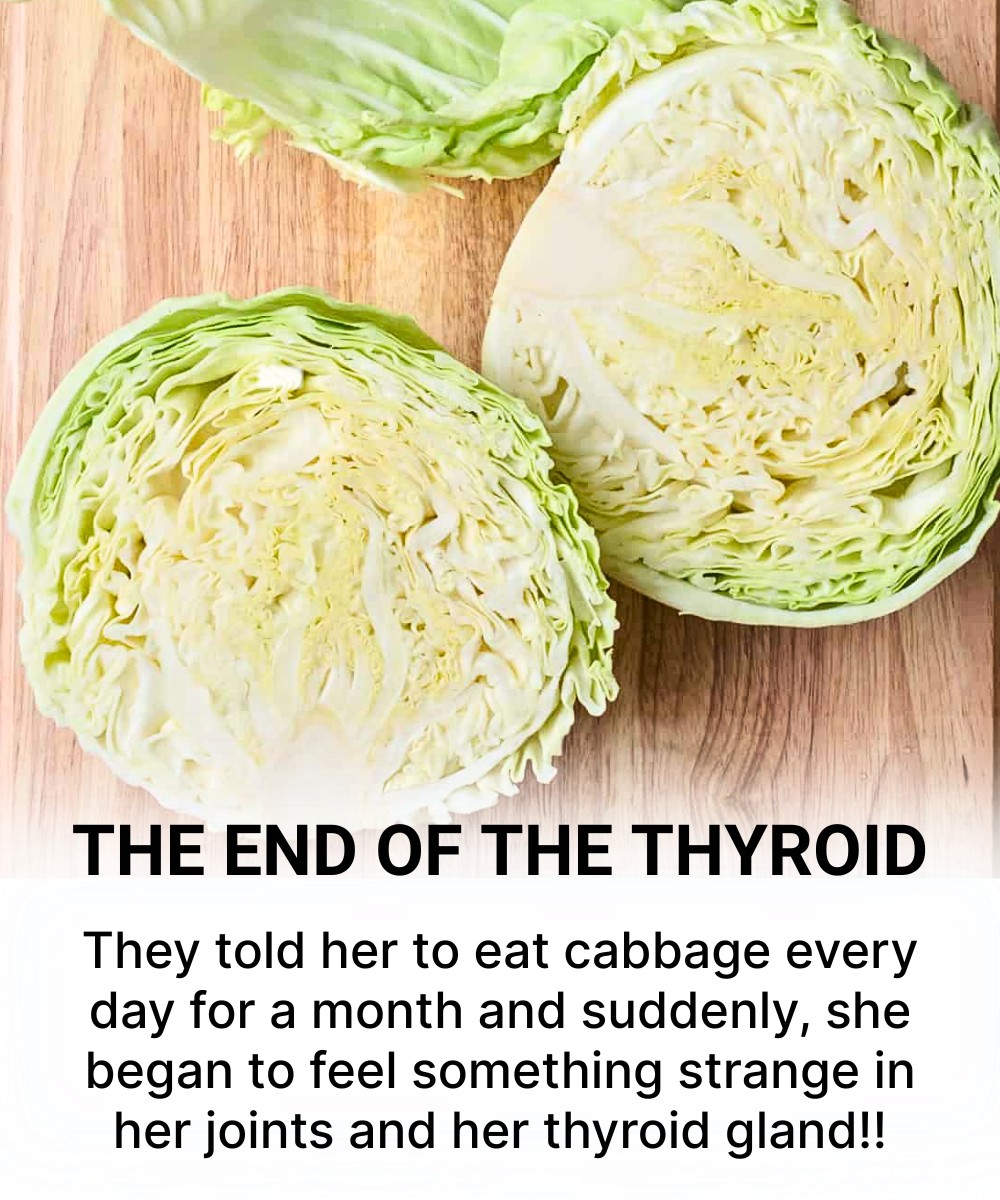
Like other cruciferous vegetables, cabbage contains glucosinolates—natural compounds that can interfere with the body’s absorption of iodine, a mineral essential for producing thyroid hormones.
In cases where diets are extremely high in cruciferous vegetables and low in iodine, there may be an increased risk of hypothyroidism, particularly for those already prone to thyroid issues.
However, for most people, the amount of cabbage needed to cause harm is far greater than what’s typically eaten—especially if the diet includes adequate iodine. Many regularly enjoy cabbage, broccoli, and cauliflower without any thyroid-related problems.
Pay Attention to Your Body
If you’ve added cabbage to your meals more often and notice changes such as joint discomfort or possible thyroid-related symptoms, it’s wise to see a doctor or nutritionist. They can help identify whether your diet might be linked to your symptoms and recommend adjustments. Everyone’s body responds differently to certain foods.
How to Enjoy Cabbage Safely
• Keep variety in your diet: Incorporate a wide mix of fruits and vegetables instead of relying heavily on just one type.
• Cook when needed: Cooking cabbage lowers glucosinolate levels, making it a safer option for those concerned about thyroid health.
Simple Cabbage and Carrot Salad
Ingredients:
• 1/2 green cabbage, finely chopped
• 2 carrots, grated
• 1/4 red onion, sliced
• Juice of 1 lemon
• Olive oil, to taste
• Salt and pepper, to taste
Instructions:
Combine cabbage, carrots, and red onion in a large bowl.
In a separate bowl, whisk together lemon juice, olive oil, salt, and pepper.
Pour the dressing over the vegetables and toss well.
Chill for 15 minutes before serving to let the flavors blend.
Final Thoughts
Cabbage is a nutrient-dense vegetable with plenty of health benefits, but it’s worth understanding its possible influence on thyroid function. Moderation, dietary variety, and listening to your body’s signals are key. For any major dietary change, seeking advice from a healthcare professional is always the safest approach.
ADVERTISEMENT
