ADVERTISEMENT
Lemon fruit may steal the spotlight, but lemon leaves are an underrated gem that can elevate your culinary creations. Though not a common ingredient in everyday cooking, lemon leaves offer a refreshing citrus twist to dishes and come with surprising health benefits. In this article, we’ll explore whether lemon leaves are edible, how to use them in the kitchen, and why you might want to start incorporating them into your meals.
Are Lemon Leaves Edible?
Yes! Lemon leaves are edible and can be used to add depth and a subtle citrus aroma to various dishes. While they have a naturally bitter flavor and aren’t typically eaten in large quantities, they shine as flavoring agents or as part of food presentation—especially when used thoughtfully in cooking methods like steaming or grilling.
Are Lemon Leaves Safe to Eat?
Lemon leaves are generally safe to consume in moderation. However, it’s important to use organic, pesticide-free leaves, especially if you’re harvesting them yourself. Consuming large quantities could lead to digestive discomfort, so it’s best to use them as an aromatic accent rather than a main ingredient.
Health Benefits of Lemon Leaves
Besides their culinary appeal, lemon leaves offer a variety of health benefits:
-
Rich in Antioxidants: Help combat inflammation and oxidative stress.
-
Aids Digestion: Their antibacterial properties may soothe digestive discomfort.
-
Boosts Immunity: Contain Vitamin C and other phytonutrients that support immune function.
Lemon leaves are more than just fragrant—they’re a flavorful, functional addition to a health-conscious diet.
How to Use Lemon Leaves in Cooking
Ready to experiment with lemon leaves in your kitchen? Here are some creative and delicious ways to use them:
1. Lemon Leaf Tea
One of the easiest uses for lemon leaves is brewing tea. Steep the fresh leaves in hot water for a few minutes to extract their gentle citrus flavor. Add honey, ginger, or mint for an extra layer of aroma and taste. This tea is not only refreshing but also soothing to the stomach.
2. Flavoring Grilled Meats
Lemon leaves can be placed directly on the grill or under meat like chicken, lamb, or fish to infuse them with a citrusy fragrance. The heat releases essential oils in the leaves, enhancing the dish with a subtle lemon aroma that complements the smoky flavors of grilling.
3. Infusing Rice and Grains
Add a few lemon leaves to your rice or grain pot while cooking for a delicate, zesty aroma. Remove the leaves before serving to enjoy a beautifully fragrant side dish with no bitterness.
4. Wrapping Food in Lemon Leaves
In Southeast Asian and Mediterranean cuisines, lemon leaves are used to wrap foods before steaming or grilling. Wrap fish, chicken, or sticky rice in lemon leaves to lock in moisture and flavor. This technique infuses your dish with a bright, citrus essence while keeping it tender and juicy.
5. Lemon Leaf Syrup
Simmer lemon leaves with water and sugar to create a fragrant syrup. This syrup can be drizzled over pancakes, cakes, and desserts, or mixed into cocktails and lemonades for a unique citrusy twist.
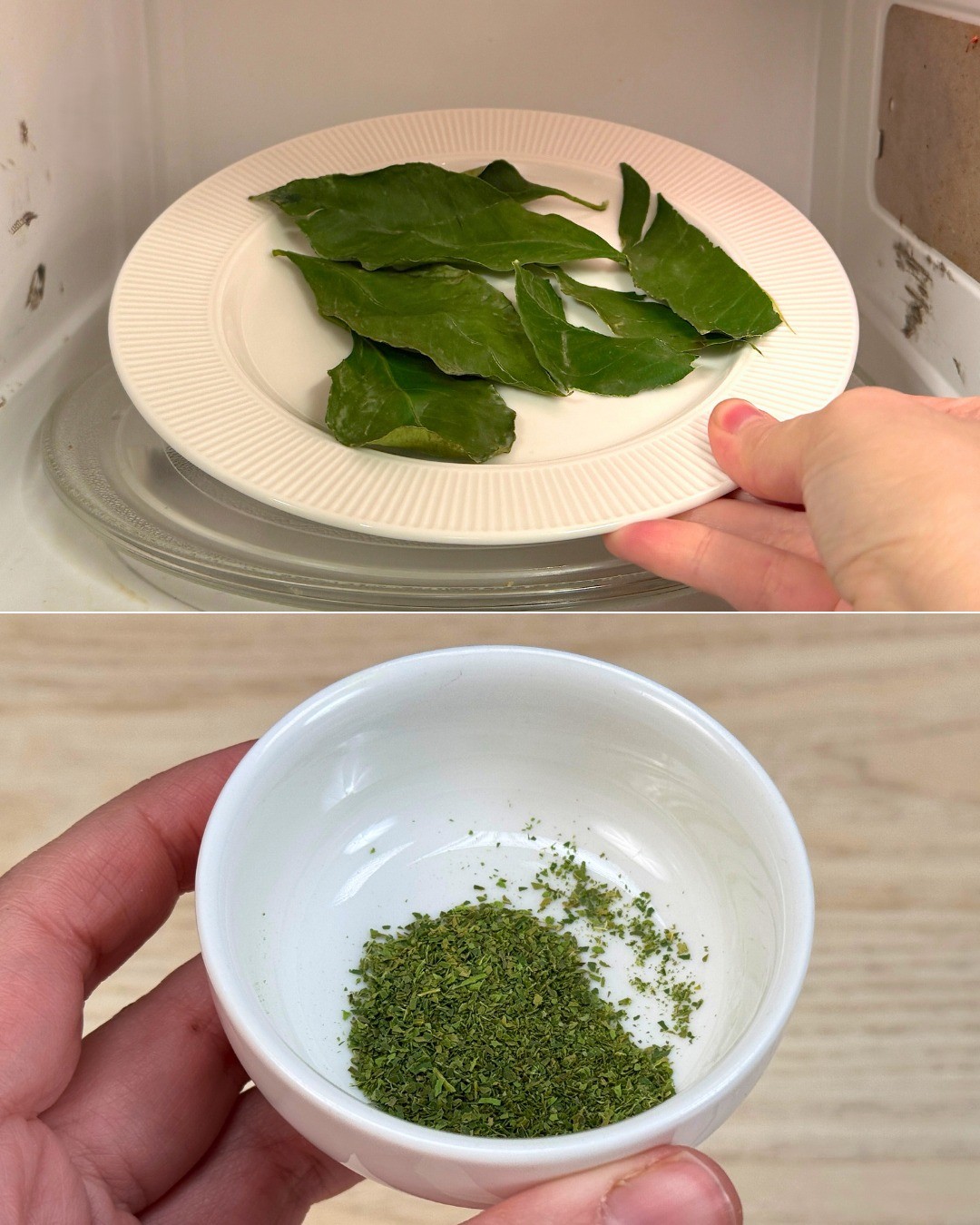
Bonus: How to Make Lemon Leaf Powder in the Microwave
see continuation on next page
