ADVERTISEMENT
We’ve all been there—reaching into the pantry for a slice of bread, only to find that it’s gone stale. It can be disheartening to see food that no longer looks fresh or appetizing. But before tossing it in the trash, consider your mother-in-law’s advice: it might be wasteful not to use it. This common household dilemma—whether to discard or repurpose stale bread—deserves a closer look.
In this article, we’ll explore the nature of stale bread, its safety, and the environmental impact of food waste. We’ll also share creative ways to revive stale bread, popular hacks, and expert opinions to help you make an informed decision. Let’s dive into the world of stale bread and discover whether it’s truly worth saving.
1. Understanding Stale Bread: What Does It Mean?
Stale bread is bread that has lost its moisture and become dry and hard. This natural process, known as retrogradation, occurs when the starch molecules in the bread crystallize and expel water. It can happen within just a few days, especially if the bread is stored improperly.
It’s important to note that staleness is not the same as spoilage. Stale bread can still be safe to eat as long as there are no signs of mold. While the texture might be less appealing, stale bread isn’t inherently harmful.
2. Is It Safe to Eat Stale Bread?
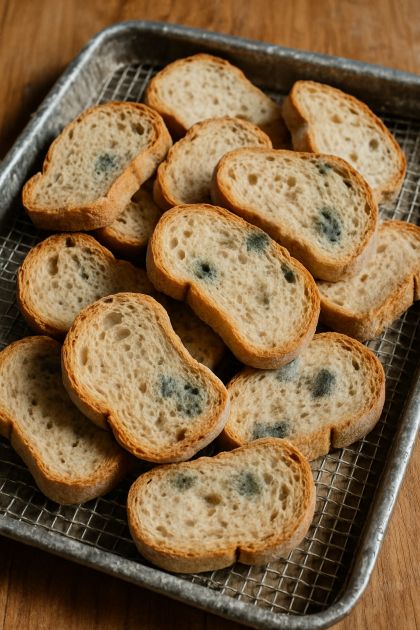
Yes, stale bread is generally safe to eat—as long as it’s free of mold. Mold often appears as green, black, or white fuzzy spots. If present, the bread should be discarded, as mold can produce mycotoxins that are harmful to health.
If the bread is simply dry and hard, you can still use it. It might not taste great on its own, but it can be revived or repurposed into dishes where texture is less noticeable.
3. The Environmental Impact of Food Waste
Food waste is a major environmental issue, with an estimated 1.3 billion tons of food wasted globally each year. Bread is one of the most commonly wasted foods. Throwing it away not only wastes the bread itself but also the resources used to produce it—like water, energy, and labor.
Repurposing stale bread is a simple yet impactful way to reduce food waste and support a more sustainable food system.
4. Creative Ways to Revive Stale Bread
Here are a few ways to breathe new life into stale bread:
-
Oven Method: Sprinkle the bread lightly with water, then place it in a preheated oven at 350°F (175°C) for about 10 minutes. This can help restore some of the original moisture and softness.
-
French Toast or Bread Pudding: These recipes soak the bread in a wet mixture, making the dryness irrelevant.
-
Stuffing: Another moisture-heavy dish that makes excellent use of stale bread.
5. Popular Viral Hacks for Using Stale Bread
Social media is full of smart uses for stale bread:
-
Breadcrumbs: Blend stale bread in a food processor to create homemade breadcrumbs. Store them in an airtight container for future use.
-
Croutons: Cut into cubes, toss with olive oil and seasoning, and bake until crisp. Perfect for salads and soups.
6. Nutritional Value: Does Stale Bread Lose Its Benefits?
Stale bread retains most of its nutritional value. It still provides carbohydrates, fiber, and essential vitamins and minerals. The main change is in texture—not composition.
However, if the bread is enriched or fortified, some added nutrients may degrade over time. Still, for the most part, stale bread remains a nutritious option.
7. How to Properly Store Bread to Prevent Staleness
Preventing staleness starts with proper storage:
-
Store bread in a cool, dry place, ideally in a bread box or a paper bag that allows air circulation.
-
Avoid the refrigerator—it accelerates staling due to starch crystallization at cold temperatures.
-
Freeze extra bread: Wrap it tightly in plastic or foil, place in a freezer-safe bag, and thaw at room temperature or toast directly from frozen.
8. When to Draw the Line: Signs Your Bread Is Beyond Saving
see continuation on next page
ADVERTISEMENT
