ADVERTISEMENT
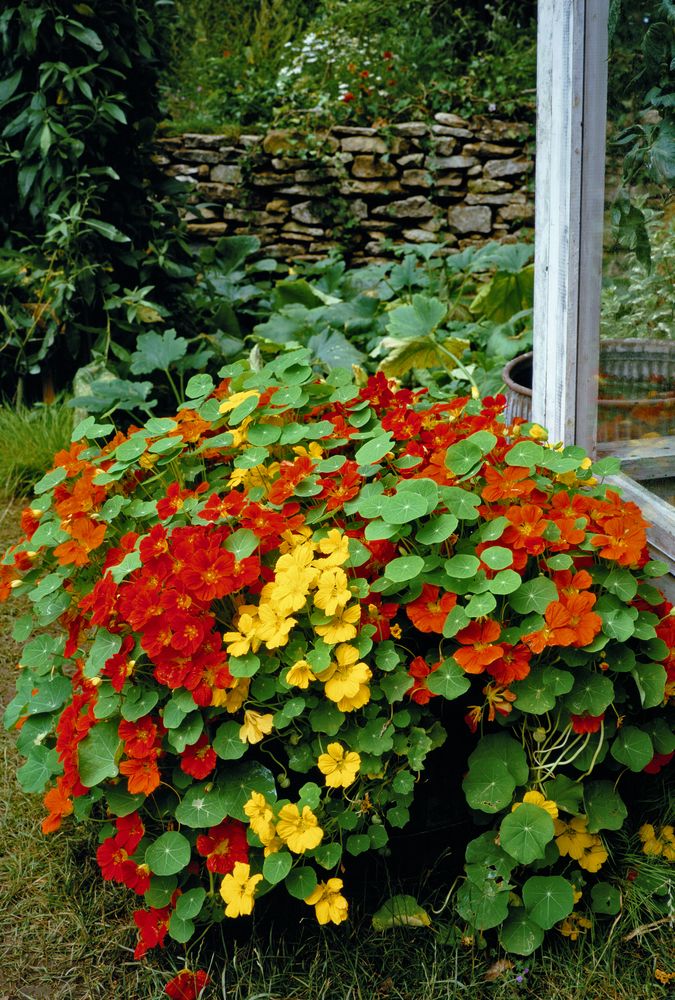
Nasturtiums are an extremely useful and attractive flowering plant that deserve a space in every garden.
This is the common name for Tropaeolum – the only genus in the plant family Tropaeolaceae.
These flowers gained their common name because of their similarity to watercress (Nasturtium officinale).
As you will learn in this article, there are plenty of reasons to grow nasturtiums in your garden – they are incredibly useful in the garden itself, and also when harvested for culinary use.
Read on to learn more.
How To Grow Nasturtiums
Nasturtiums can be sown inside in pots or outside where they are to grow between March and May. They will flower from summer through to the autumn.
Nasturtiums are very easy to grow from seed and are hassle free, especially if you are not in a rush and just direct sow as soon as the risk of frost has passed in your area.
If you want to get earlier blooms then you can start the seeds indoors, though to prevent transplant shock it is best to grow them in biodegradable containers (toilet roll tubes work well) so you can just pop the whole thing into the garden.
The large seeds are easy to handle and so are the perfect way to introduce children to gardening.
Nasturtium seeds in hand
Nasturtium seeds will germinate in a sunny spot in 10-12 days. Remember to harden off plants grown inside before planting them out.
Where to Place Nasturtiums
Nasturtiums will prefer a sunny and relatively sheltered spot.
Nasturtiums will thrive even in relatively poor quality soil as long as they are watered regularly. Try to keep the area around them free of weeds to reduce competition, and do not over-fertilize as fertile soil can cause plants to produce fewer blooms and more foliage.
Caring for Nasturtiums
These plants are fairly hardy but make sure that you water them well during dry weather. Pay attention to watering, especially with plants in pots or window boxes, which can dry out more quickly. Let the soil dry between waterings but not too much or for too long.
Cutting off finished or faded flowers will encourage the plant to keep blooming for longer throughout the growing season. As you will learn later, however, you may wish to harvest the flowers (and leaves) for a range of culinary uses rather than allowing them to fade.
5 Reasons To Grow Nasturtiums in Your Garden
Nasturtiums are an attractive plant that can bloom abundantly. They can bring colour and visual appeal to your garden. But there are also a number of very practical reasons why growing these flowers is a good idea.
You can, for example, use nasturtiums to:
1. Attract Beneficial Insects
A bumblebee enjoying an orange nasturtium flower
Nasturtiums will attract a range of beneficial insects to your garden – including bees and other pollinators.
Adding nasturtiums in your outside space is one way to help honey bees and other bee species that are under threat due to climate change and human activity.
We need bees for our very survival on this planet. So it is vitally important that as gardeners and growers, we all do our part to protect and aid them. Of course, having pollinators in your garden will also help make sure you get a great fruit harvest each year, if you grow your own food.
2. As A Companion Plant For Your Fruits & Veggies
Nasturtiums used as a companion plant in a raised bed vegetable garden
It is not only pollinators that will be attracted to nasturtiums. These plants also attract pest insect species such as aphids, weevils and beetles making the nasturtiums a brilliant companion plant in the vegetable garden.
This might not immediately seem like a good thing – but since these pests are attracted to the nasturtiums, they will leave your fruits, vegetables or other crops alone. Nasturtiums, therefore, are known as a trap crop.
see next page
ADVERTISEMENT
