ADVERTISEMENT
Blueberries in pots require consistent moisture, especially during the growing season. Water the plants deeply once or twice a week, ensuring the soil remains moist but not waterlogged. During the growing season, feed your blueberries with a balanced, acid-forming fertilizer every four to six weeks. Avoid over-fertilizing, as this can damage the plants.
Pruning and Training Blueberry Bushes in Pots
Pruning is essential to maintain the shape and productivity of your blueberry plants. In late winter or early spring, remove any dead or weak branches. Thin out the center to improve air circulation and light penetration. Aim to keep a balance of old and new growth, as blueberries fruit on older wood. Training the branches to grow outward will help maximize space and sunlight exposure.
Managing Pests and Diseases in Container Blueberry Plants
Container-grown blueberries are susceptible to pests such as aphids, spider mites, and birds. Use organic insecticidal soap to manage insect pests and consider netting to protect the fruit from birds. Fungal diseases like powdery mildew can be controlled by ensuring good air circulation and avoiding overhead watering. Regularly inspect your plants for signs of pests or disease and act promptly to address any issues.
Ensuring Optimal Sunlight and Temperature Conditions
Blueberries require full sun to produce the best fruit, so place your pots in a location that receives at least six to eight hours of sunlight per day. If you live in a region with hot summers, consider providing some afternoon shade to prevent heat stress. During winter, protect the pots from freezing temperatures by moving them to a sheltered location or wrapping them with insulating material.
Harvesting and Storing Blueberries Grown in Pots
Blueberries are ready to harvest when they turn a deep blue and come off the plant easily. Pick them regularly to encourage more fruit production. Freshly picked blueberries can be stored in the refrigerator for up to two weeks. For longer storage, consider freezing them. Simply wash and dry the berries, spread them on a baking sheet to freeze individually, then transfer to airtight containers.
Troubleshooting Common Issues in Container Blueberry Gardening
Common issues in container blueberry gardening include yellowing leaves, poor fruiting, and stunted growth. Yellowing leaves may indicate a pH imbalance or nutrient deficiency, which can be corrected by adjusting the soil pH or fertilizing appropriately. Poor fruiting can result from inadequate sunlight or improper pruning. Ensure your plants receive enough light and are pruned correctly to encourage fruit production.
Conclusion: Enjoying Your Homegrown Blueberries
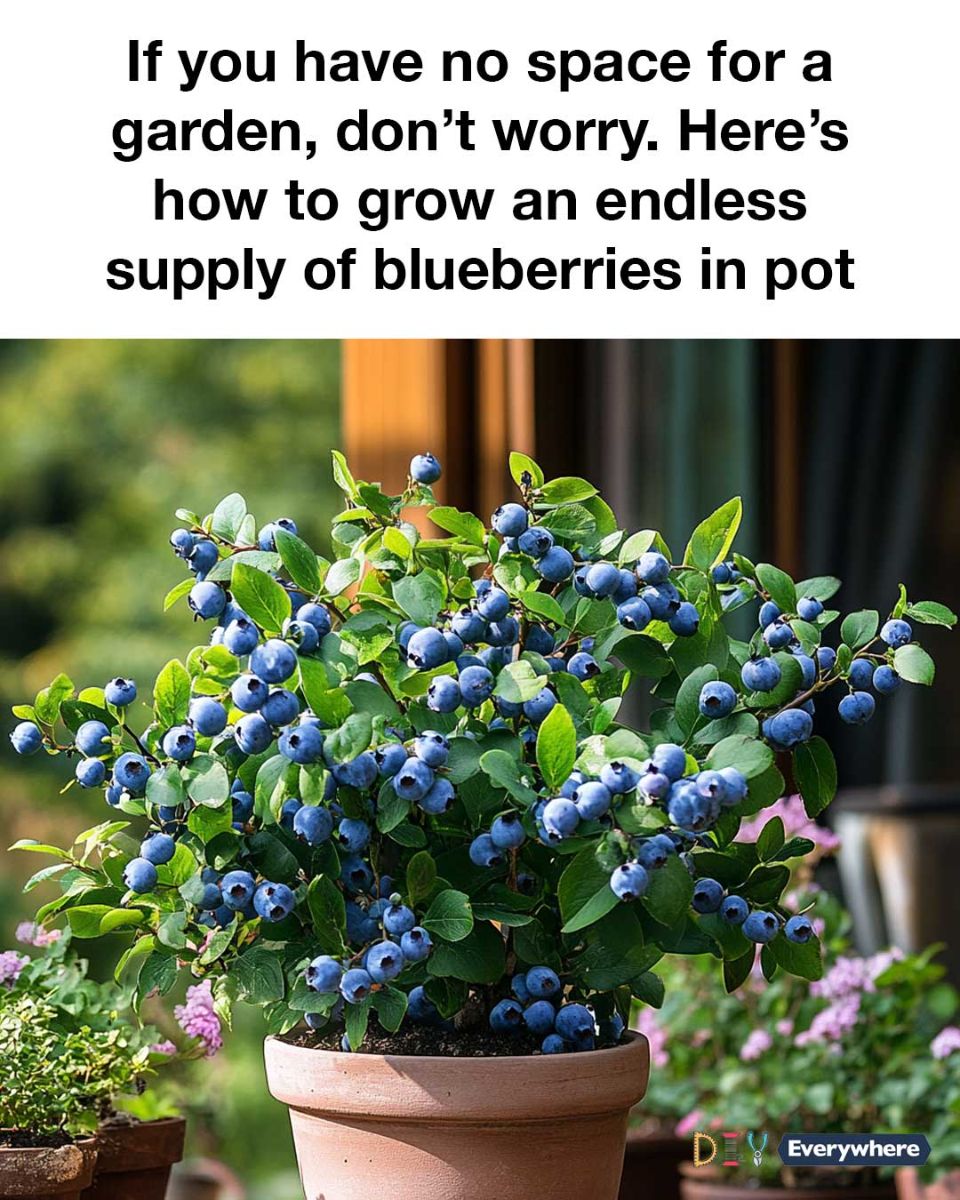
Growing blueberries in pots is a rewarding endeavor that allows you to enjoy fresh, homegrown fruit even in limited spaces. With the right variety, proper care, and attention to detail, you can cultivate a thriving blueberry plant that produces an endless supply of delicious berries. Whether enjoyed fresh, in smoothies, or baked into treats, your homegrown blueberries will be a delightful addition to your kitchen.
ADVERTISEMENT
