ADVERTISEMENT
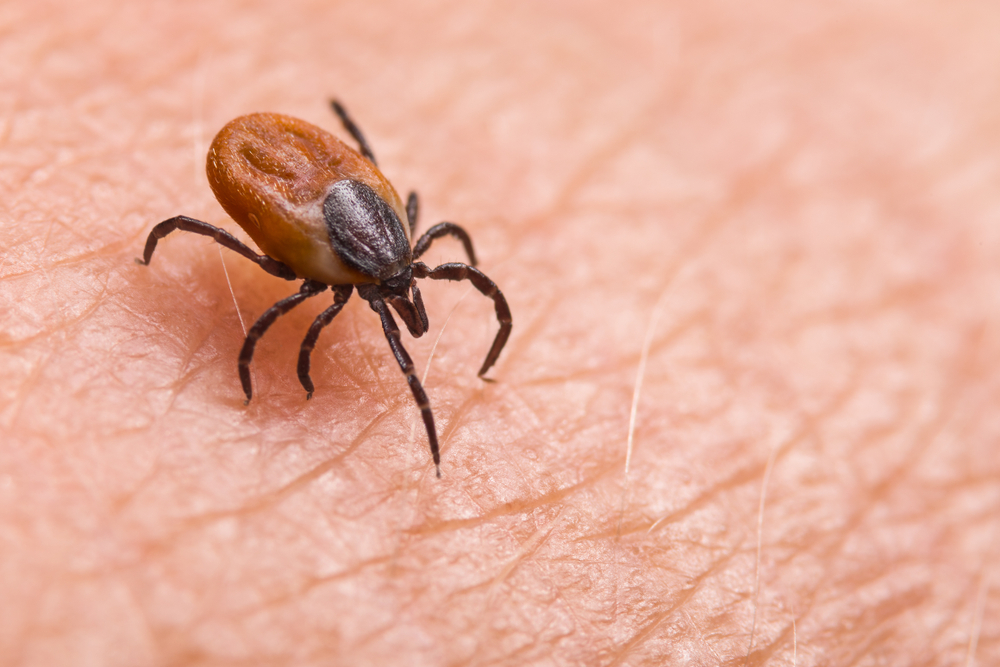
Ticks are small, parasitic arachnids that feed on the blood of mammals, birds, and sometimes reptiles or amphibians. While they may appear harmless, ticks can transmit serious diseases, making proper removal and disposal crucial to protecting your health and that of your pets.
🦠 The Problem with Ticks
Ticks are known vectors for a range of tick-borne illnesses, including:
-
Lyme disease
-
Rocky Mountain spotted fever
-
Babesiosis
-
Ehrlichiosis
If left untreated, these diseases can lead to long-term health complications, such as neurological damage, heart problems, and chronic joint pain.
🧲 What to Do If You Find a Tick on Your Skin
-
Use Fine-Tipped Tweezers
Grasp the tick as close to the skin’s surface as possible. -
Pull Gently but Firmly
Apply steady, even pressure. Avoid twisting or jerking, which can cause the mouth-parts to break off and remain in the skin. -
Clean the Area Thoroughly
Disinfect the bite site and your hands with rubbing alcohol, iodine, or soap and water.
❌ What Not to Do
-
Do not use home remedies like petroleum jelly, nail polish remover, or matches.
-
Do not squeeze the tick’s body, as this may cause it to expel harmful pathogens into your skin.
-
Do not burn the tick—it won’t safely detach and may increase the risk of infection.
🗑️ How to Properly Dispose of a Tick
After removal:
-
Option 1: Seal and Save
Place the tick in a sealed plastic bag or container. Label it with the date and location of the bite in case identification is needed by a healthcare provider or veterinarian. -
Option 2: Wrap and Toss
Wrap the tick in tape before placing it in the trash to prevent escape. -
Option 3: Flush
Flushing the tick down the toilet is a viable disposal method, especially if identification isn’t necessary.
💡 Veterinarians often recommend saving the tick for identification in the event of illness.
🐾 Checking Your Pets for Ticks
Ticks aren’t just a human problem—they frequently attach to pets. Regular checks are especially important during warm months and in wooded or grassy areas.
Check common hiding spots:
-
Inside ears
-
Under collars
-
Between toes
-
Around the tail and groin
-
In armpits and skin folds
Use a fine-toothed comb and part the fur while feeling for small, firm bumps.
💉 All About Lyme Disease
Lyme disease, caused by Borrelia burgdorferi, is one of the most common and serious tick-borne illnesses.
Early symptoms:
-
Fever
-
Fatigue
-
Headache
-
Muscle aches
-
A circular rash resembling a bullseye (erythema migrans)
If untreated, Lyme disease can lead to:
-
Joint swelling
-
Nervous system complications
-
Irregular heartbeat
⚠️ Symptoms to Watch for After a Tick Bite
see continuation on next page
ADVERTISEMENT
