ADVERTISEMENT
Olive oil color reveals more than just visual appeal—it’s a key indicator of quality, taste, and health benefits. The varying hues, from green to golden to amber, reflect factors like harvest time and olive variety. Understanding these nuances can help you choose the best oil for both flavor and nutrition while ensuring optimal freshness.
Ever noticed the vibrant green, golden, or even amber hues of olive oil and wondered what they mean? Olive oil color isn’t just for visual appeal; it’s a key indicator of olive oil quality. In this article, we’ll explore the surprising connection between olive oil color and its quality, taste, and nutritional value. Keep reading to uncover the truth behind this essential kitchen staple!
What Does Olive Oil Color Really Mean?
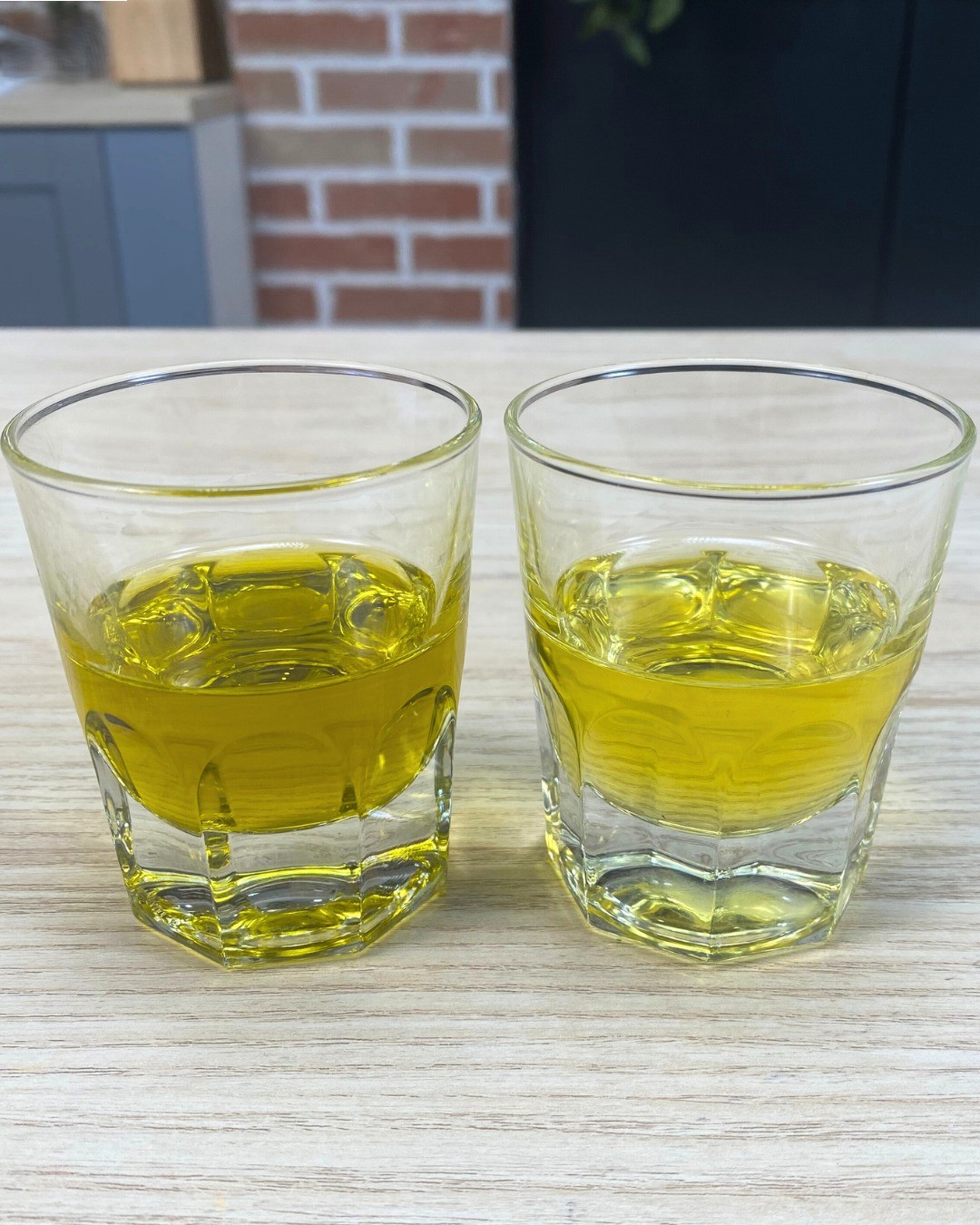
Olive oil color can reveal much more than aesthetics. It provides insights into harvest time, olive variety, and even oil quality. While many people focus on the oil’s taste, its color plays a crucial role in determining its overall quality. Here’s how to decode the different hues of olive oil:
The Color Spectrum of Olive Oil
-
Green Olive Oil: Green olive oil typically comes from olives harvested early in the season when they’re still unripe. This type of oil is usually bolder, more bitter, and packed with antioxidants like polyphenols. It tends to have a rich, fruity flavor and is considered higher quality due to its higher nutritional content.
-
Golden or Yellow Olive Oil: Olive oil that’s golden or yellow is usually made from ripe olives. These oils are typically milder, with less bitterness and a smoother, more delicate taste. While this oil is still of good quality, it often lacks the stronger, more complex flavors found in greener oils.
-
Amber Olive Oil: A darker, amber hue in olive oil can indicate oxidation or aging. If the oil is darker than usual, it might suggest that the oil has been improperly stored or is past its prime. Amber-colored oil is often a sign of diminished quality and flavor.
Key Factors Influencing Olive Oil Color
Several key factors determine olive oil color, and understanding them can help you choose the best product:
-
Olive Variety: Different types of olives produce oils with varying hues. For instance, oils made from Picual or Frantoio olives tend to be green in color, while those from Arbequina olives are often golden.
-
Harvest Time: Olive oil color is strongly influenced by when the olives are harvested. Early-harvest oils are darker and more robust, while oils from later harvests tend to be lighter in color and flavor.
-
Storage Conditions: Light, heat, and oxygen can cause olive oil to lose its color and nutrients. Properly stored olive oil in a cool, dark place will retain its vibrant color and freshness for longer.
How Does Olive Oil Color Affect Its Taste and Health Benefits?
The color of olive oil affects more than just its appearance—it influences both its taste and health benefits. Green olive oils, for instance, tend to have a more robust, bitter flavor due to higher levels of polyphenols. These compounds give the oil its signature peppery kick and make it ideal for dishes where the oil’s flavor is meant to stand out. On the other hand, golden olive oils are typically milder, with less bitterness, making them a great choice for lighter dishes or as a finishing touch to salads, where the oil’s flavor doesn’t overpower the meal.
When it comes to health benefits, green olive oils, which are often made from early-harvest olives, are rich in polyphenols—antioxidants known for supporting heart health, reducing inflammation, and offering anti-aging properties. Yellow olive oils, while still nutritious, tend to have fewer antioxidants but are still beneficial thanks to their high content of monounsaturated fats, which also promote heart health.
Is Olive Oil Color a Reliable Indicator of Quality?
see continuation on next page
