ADVERTISEMENT
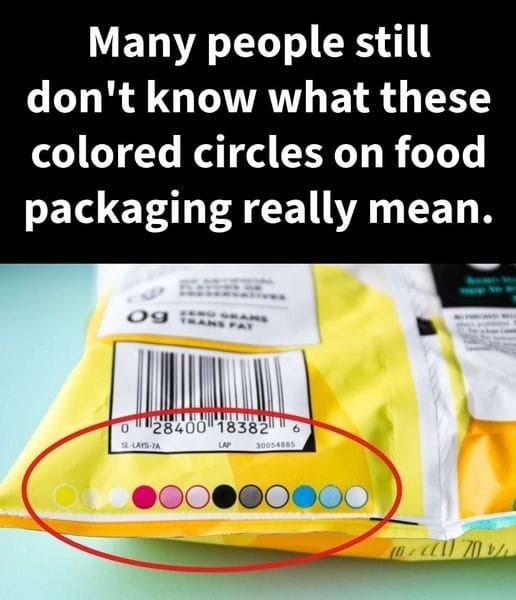
If you’ve ever noticed a row of small colored circles or squares on the edges or bottom of food packaging and wondered what they’re for, you’re not alone. These mysterious marks show up on everything from cereal boxes to chip bags—but they’re not a design choice or a secret code about the food.
So, what are they?
They’re Called Printer’s Color Blocks
These colored circles (or sometimes squares or bars) are part of the printing process. Known as printer’s color blocks or process control patches, they are quality control tools used by printers to make sure packaging is printed correctly.
What Do They Do?
🎨 Ink Color Matching
Each color block represents one of the base colors used in the printing process—usually CMYK (Cyan, Magenta, Yellow, and Black). These blocks help printing technicians confirm that:
-
The right colors are being used
-
The ink is applied evenly and consistently
-
The colors match the brand’s specifications
🔍 Quality Control
If something goes wrong—like a color prints too light, too dark, or smudges—technicians can spot it immediately using these blocks. They’re like a built-in calibration tool.
🌍 Brand Consistency Across the Globe
Food packaging is often printed in multiple factories across different countries. These blocks help ensure the color and design of a brand’s packaging stays identical, no matter where it’s printed.
Do They Say Anything About the Food?
see continuation on next page
