ADVERTISEMENT
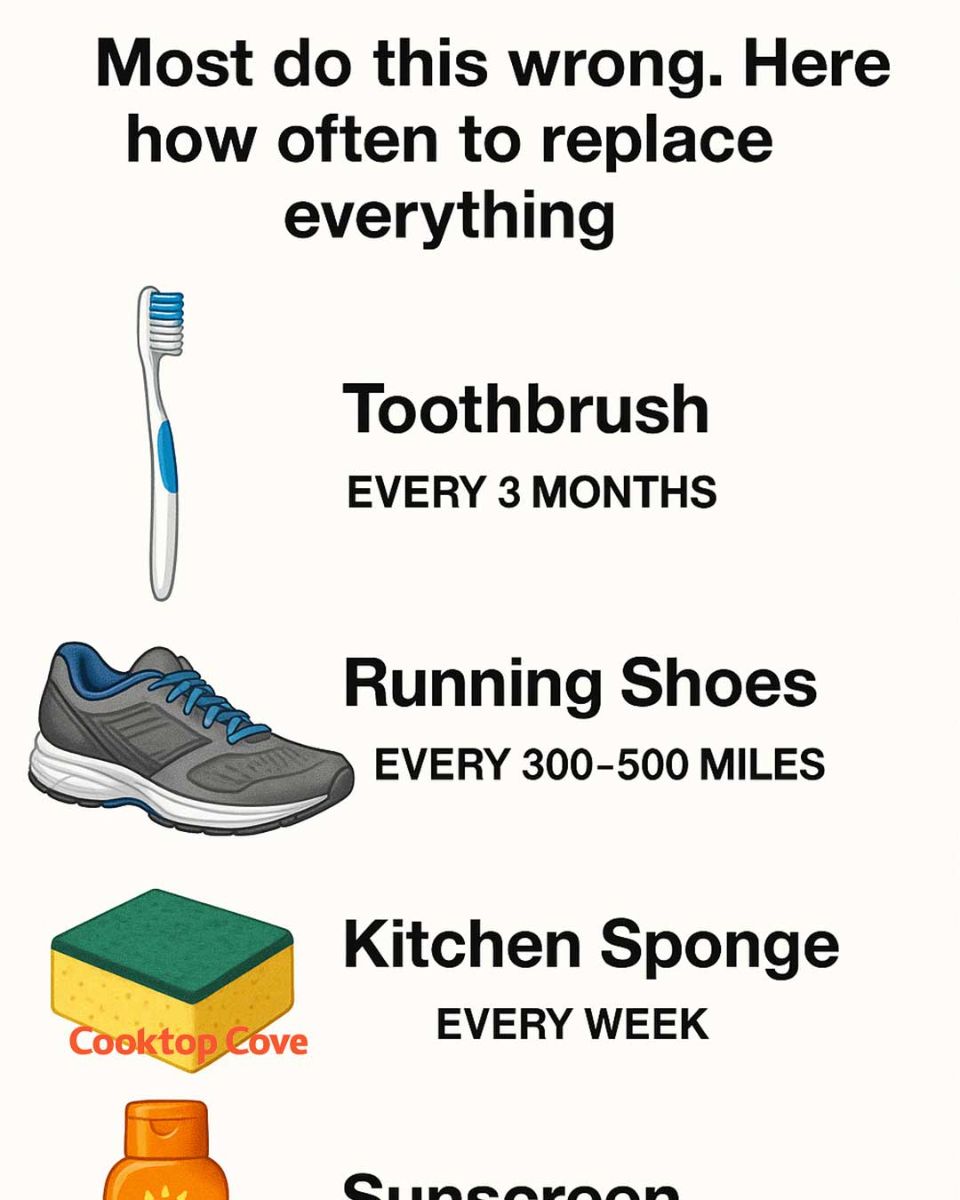
Most do this wrong. Here’s how often to replace everything
Pillows provide support for your head and neck during sleep, but they lose their shape and supportiveness over time. It’s recommended to replace pillows every 1 to 2 years to maintain proper spinal alignment and prevent neck pain.
In addition to losing support, pillows can accumulate dust mites, allergens, and bacteria. To extend the life of your pillow, use a pillow protector and wash it regularly according to the manufacturer’s instructions.
6. Mattresses: Replace Every 7-10 Years
A good mattress is crucial for a restful night’s sleep, but even the best mattresses wear out over time. Most experts recommend replacing your mattress every 7 to 10 years, depending on the type and quality of the mattress.
Signs that it’s time to replace your mattress include sagging, lumps, and waking up with aches and pains. Regularly rotating your mattress and using a mattress protector can help extend its lifespan.
7. Water Filters: Replace Every 2-6 Months
Water filters are essential for removing impurities and contaminants from your drinking water. The frequency of replacement depends on the type of filter and your water usage, but most filters need to be replaced every 2 to 6 months.
Failing to replace water filters can result in reduced water quality and flow rate. To ensure your water remains clean and safe, follow the manufacturer’s guidelines for replacement and set reminders to check your filter regularly.
8. Smoke Detectors: Replace Every 10 Years
Smoke detectors are a critical component of home safety, alerting you to potential fires. It’s recommended to replace smoke detectors every 10 years, as their sensors can degrade over time.
To ensure your smoke detectors are functioning properly, test them monthly and replace the batteries at least once a year. Consider writing the installation date on the detector to keep track of its age.
9. Car Tires: Replace Every 25,000-50,000 Miles
Car tires are essential for safe driving, and their lifespan depends on factors such as driving habits, road conditions, and tire quality. Most tires need to be replaced every 25,000 to 50,000 miles.
Regularly inspect your tires for signs of wear, such as tread depth below 2/32 of an inch, cracks, or bulges. Rotating your tires every 5,000 to 8,000 miles and maintaining proper tire pressure can help extend their lifespan.
10. Makeup: Replace Every 3-12 Months
Makeup products have varying shelf lives, and using expired makeup can lead to skin irritation and infections. As a general rule, replace mascara every 3 months, liquid foundation every 6 to 12 months, and powder products every 12 months.
To keep track of your makeup’s age, consider labeling products with the date of opening. Store makeup in a cool, dry place and avoid sharing products to minimize the risk of contamination.
11. Air Filters: Replace Every 3 Months
Air filters in your HVAC system help maintain indoor air quality by trapping dust, pollen, and other particles. It’s recommended to replace air filters every 3 months, though households with pets or allergies may need to replace them more frequently.
Clogged air filters can reduce airflow and strain your HVAC system, leading to higher energy bills and potential damage. Regularly checking and replacing air filters can improve air quality and system efficiency.
