ADVERTISEMENT
Nature’s Timeline: A Tree That Rewards Patience
Though the jabuticaba is beautiful and fascinating, it requires patience. When grown from seed, it can take 8 to 15 years before the tree begins to fruit. However, those willing to wait—or savvy enough to plant grafted saplings—are richly rewarded.
The jabuticaba is a long-living tree, capable of producing fruit multiple times a year in its native climate. It prefers slightly acidic, well-drained soil and thrives in USDA zones 9 through 11. While not common in North America, it can be grown in Florida, Southern Texas, and parts of California, especially with proper care and attention.
In recent years, interest in jabuticaba has grown among American gardeners looking for rare fruit trees or unique additions to their edible landscapes. Some have even begun cultivating dwarf varieties indoors or in greenhouses.
Social Media Stardom and Global Curiosity
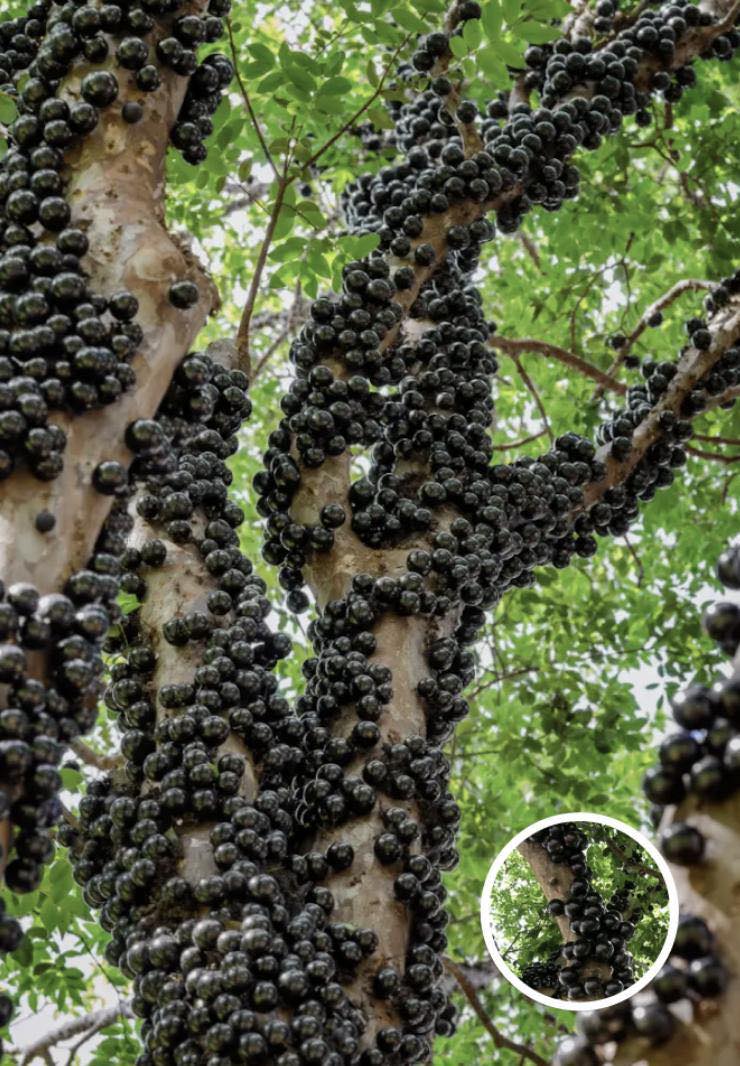
Part of the jabuticaba’s recent surge in popularity comes from its growing visibility on social media platforms. Videos of the fruit-covered trunks often go viral, with users marveling at what they call the “grape tree” or “trunk grapevine.” Viewers are often shocked to learn that it’s real—not CGI or a quirky Photoshop creation.
People from across the globe have taken to platforms like Instagram, TikTok, and YouTube to share their jabuticaba trees, harvests, and even recipes. These videos have turned the tree into something of a cult botanical celebrity, drawing in amateur horticulturists and curious nature-lovers alike.
Stories from Brazil frequently circulate—childhood memories of climbing trees, plucking fruits by the handful, and sharing them under the sun with friends. For many Brazilians, jabuticaba isn’t just a fruit. It’s nostalgia in edible form.
A Symbol of Nature’s Creativity and Balance
Beyond its practical uses, the jabuticaba tree serves as a vivid reminder of nature’s endless creativity. In an age of uniform orchards and mass-produced fruits, this tree stands defiantly different—a visual spectacle and a natural wonder.
Its existence challenges our assumptions about how trees should behave. It reminds us that the natural world is filled with unexpected beauty, and that the Earth still holds secrets waiting to be discovered.
More than that, the jabuticaba embodies a kind of quiet wisdom—slow to grow, difficult to export, but deeply rewarding to those who nurture it with patience and care.
A Tree Worth Knowing—and Growing
Though rare outside its native lands, the jabuticaba tree is slowly finding its way into the hearts and gardens of people around the world. Whether admired for its fruit, its strange and beautiful form, or its cultural significance, it remains one of the most extraordinary trees on Earth.
So, the next time you bite into a common fruit, imagine a tree where the harvest hugs the trunk, like nature tucking away its sweetest treasures in plain sight. That’s the magic of the jabuticaba.
ADVERTISEMENT
