ADVERTISEMENT
3. Increase Physical Activity
Regular movement is key to improving circulation and preventing fluid buildup. Engage in activities such as walking, swimming, or yoga to help promote blood flow and reduce swelling in the legs and feet.
4. Elevate Affected Limbs
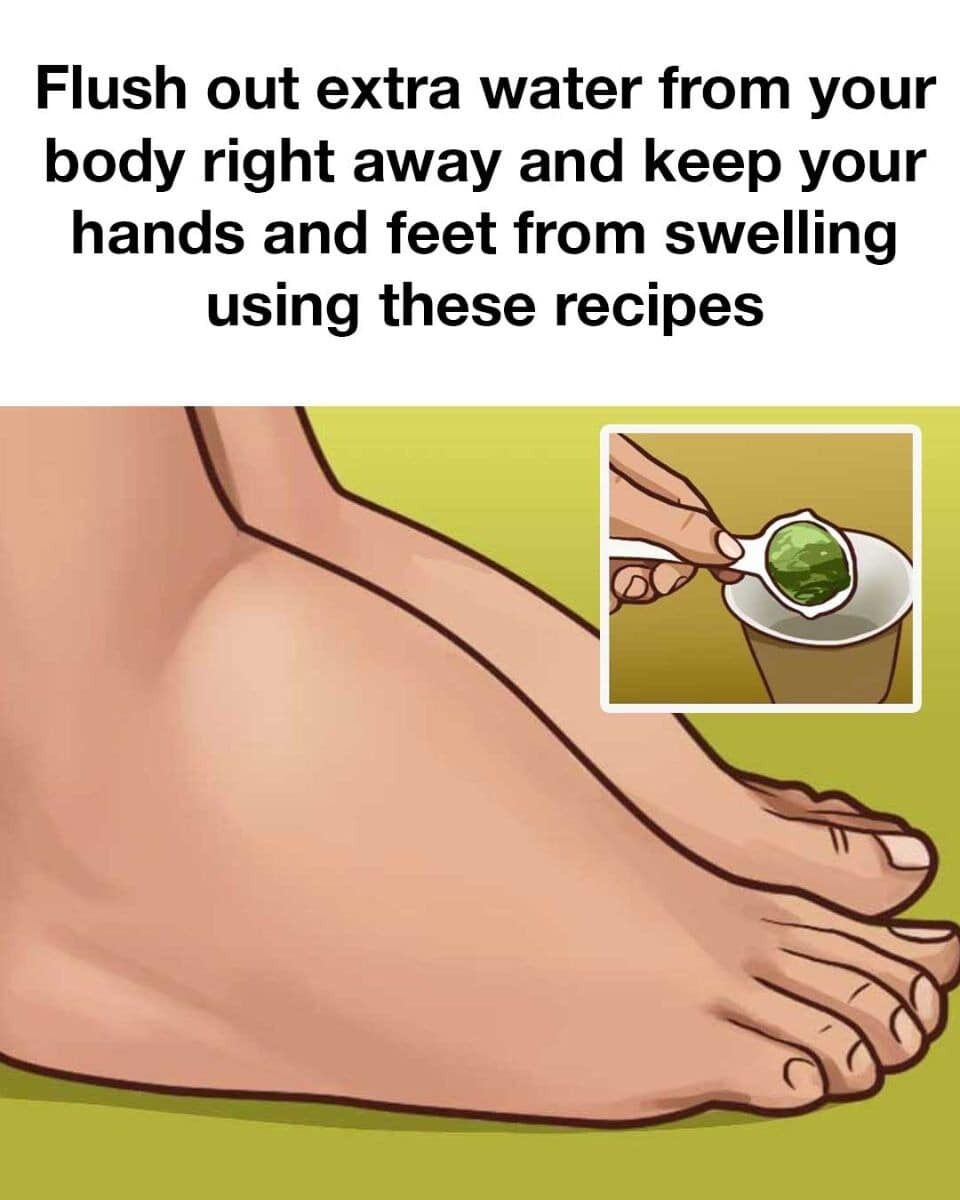
If swelling occurs in the legs or feet, try elevating them above heart level to encourage fluid to drain away from the lower extremities. This can be especially helpful after long periods of sitting or standing.
5. Consider Natural Diuretics
Some foods and herbs act as natural diuretics, helping the body eliminate excess water. Foods like cucumber, watermelon, and celery, as well as herbs like dandelion and parsley, can support the body’s natural fluid balance.
6. Compression Garments
Wearing compression stockings can help reduce swelling by promoting circulation and preventing fluid from pooling in the lower limbs. These are particularly helpful for people who are sedentary for long periods, such as those with desk jobs or long-haul flights.
When to Seek Medical Attention
While occasional water retention is usually not a cause for concern, persistent or severe edema may indicate an underlying health issue that requires medical intervention. Seek medical attention if you experience:
Persistent swelling that doesn’t improve with lifestyle changes
Shortness of breath or difficulty breathing, which could be a sign of heart or lung issues
Severe or sudden swelling in only one leg, which could indicate a blood clot
In these cases, a healthcare provider may recommend treatments such as diuretics (water pills) to help the body eliminate excess fluids, or further testing to identify the underlying cause.
ADVERTISEMENT
