ADVERTISEMENT
The good news is that you can still enjoy leftover rice safely by following proper food handling techniques:
Cooling and Storage
- Don’t leave cooked rice sitting at room temperature for more than 1-2 hours
- Divide large batches of rice into smaller, shallow containers to cool quickly
- Refrigerate rice as soon as possible (ideally within one hour of cooking)
- Store in the refrigerator at 40°F (4°C) or below
- Use refrigerated rice within 1-2 days
- When in doubt, throw it out
Reheating
- Ensure rice is thoroughly heated to at least 165°F (74°C) throughout
- Only reheat rice once
- Don’t reheat more than you plan to eat immediately
Freezing Option
- For longer storage, freeze rice soon after cooking
- Portion rice into meal-sized containers before freezing
- Use frozen rice within 1-2 months for best quality
- Thaw in the refrigerator or reheat directly from frozen
Common Misconceptions
Myth 1: “Reheating kills all bacteria”
While reheating can kill active bacteria, it cannot destroy the heat-resistant toxins that Bacillus cereus produces. If these toxins have already formed in improperly stored rice, reheating won’t make the rice safe to eat.
Myth 2: “Rice cookers keep rice safe”
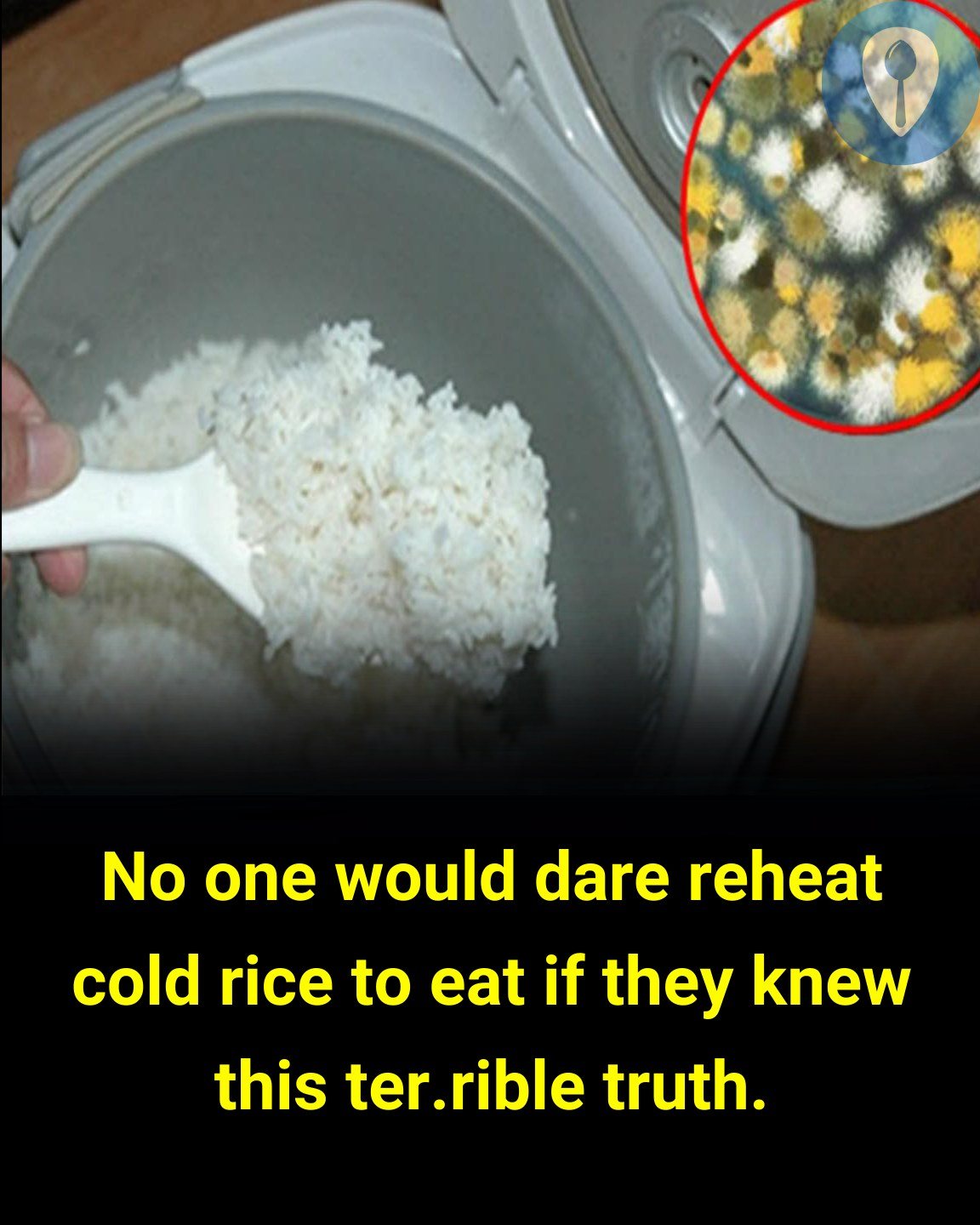
Many people believe that keeping rice warm in a rice cooker prevents bacterial growth. However, some rice cookers may maintain rice at temperatures within the danger zone (40°F-140°F), allowing bacteria to multiply. Unless your rice cooker specifically keeps food above 140°F, it’s best not to rely on it for extended storage.
Myth 3: “A little mold can be scraped off”
Visible mold (as shown in the image) is a clear sign that food should be discarded entirely. Mold can produce invisible toxic compounds that penetrate beyond the visible growth, and where there’s mold, there are likely other microorganisms present as well.
Other Starchy Foods at Risk
While rice is commonly associated with Bacillus cereus, the same risks apply to other starchy foods, including:
- Pasta
- Potatoes
- Noodles
- Grains and cereals
These foods should be handled with the same care as rice to prevent foodborne illness.
When to Seek Medical Attention
Most cases of Bacillus cereus food poisoning resolve on their own within 24 hours. However, you should seek medical attention if you experience:
- Severe vomiting or inability to keep liquids down
- Diarrhea lasting more than 3 days
- Blood in the stool
- Signs of dehydration (excessive thirst, dry mouth, little or no urination, severe weakness)
- Fever above 101.5°F (38.6°C)
Conclusion
The “terrible truth” about reheated rice isn’t that reheating itself is dangerous, but rather that improperly stored rice can harbor bacteria that produce heat-resistant toxins. By understanding the risk and following proper food safety practices, you can continue to enjoy leftover rice without putting your health at risk.
Remember: when it comes to food safety, the old adage “when in doubt, throw it out” is always sound advice. No meal is worth risking food poisoning, and rice is relatively inexpensive to replace compared to the discomfort and potential health risks of consuming contaminated food.
So the next time you cook rice, plan ahead for proper storage—or cook only what you’ll eat immediately to eliminate the risk altogether.
ADVERTISEMENT
