ADVERTISEMENT
1. Prepare the Toilet
- Turn off the water supply to the toilet (usually a valve near the floor)
- Flush to empty most of the water from the bowl
- For better access, you can sponge out remaining water (wear gloves!)
2. Locate the Jets
- Use a small mirror to inspect under the toilet rim to find the small jet holes
- Look at the bottom of the bowl for the larger siphon jet (typically at the front)
- Note any visible mineral buildup (often appears white, green, or rusty)
3. Clean the Rim Jets
- Use a small screwdriver, Allen wrench, or similar tool to gently probe each jet hole
- Carefully scrape away visible mineral deposits
- Be gentle to avoid damaging the porcelain
- Work around the entire rim, clearing each hole
4. Clean the Siphon Jet
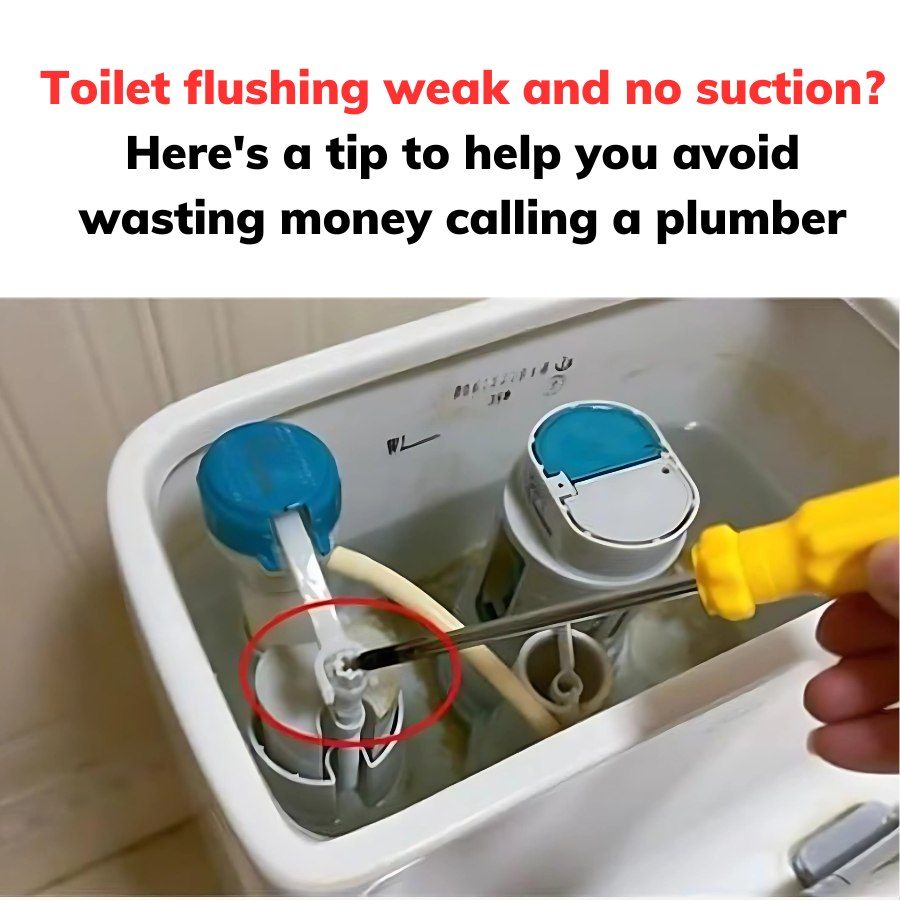
- As shown in the circled area of the image, use the screwdriver or Allen wrench to clear the larger siphon jet at the bottom of the toilet bowl
- This is often the most critical part of the cleaning process, as this jet provides the main flushing power
- Gently but firmly scrape away any mineral buildup around and inside the opening
5. Dissolve Remaining Deposits
- Pour 1-2 cups of white vinegar into the toilet bowl
- Let it sit for 2-4 hours (overnight is even better)
- For stubborn deposits, make a paste of baking soda and vinegar and apply it directly to the jets
- Use an old toothbrush to scrub under the rim and around the siphon jet
6. Test and Repeat if Necessary
- Turn the water supply back on
- Flush the toilet to test the improvement
- If needed, repeat the cleaning process for stubborn buildups
Preventing Future Problems
To maintain strong flushing power and avoid calling the plumber in the future:
- Regular Cleaning: Clean under the rim and the siphon jet every 3-6 months, especially in hard water areas
- Water Softener: Consider installing a water softener if your area has particularly hard water
- Vinegar Maintenance: Pour a cup of vinegar into the overflow tube in your tank monthly to help prevent buildup
- Avoid Chemical Cleaners: Harsh chemicals can damage the rubber components in your toilet
- Fix Leaks Promptly: Even small leaks can contribute to mineral buildup over time
When to Call a Professional
While this DIY approach solves most weak flushing issues, some problems do require professional help. Call a plumber if:
- Your toilet still flushes poorly after thoroughly cleaning the jets
- You notice cracks in the toilet bowl or tank
- The toilet rocks or is unstable
- You hear hissing or running water constantly
- The toilet frequently backs up even with good flush power
Conclusion
A toilet with weak flushing power doesn’t automatically require an expensive service call. As the image demonstrates, often the solution is as simple as clearing mineral deposits from key water passages with a tool you already have at home. This easy maintenance task can restore your toilet’s flushing power in minutes and save you the cost of a professional service call.
By understanding how your toilet works and performing this simple maintenance regularly, you can maintain optimal flush performance and avoid unnecessary expenses. Next time you notice a weak flush, reach for a screwdriver before your phone—your wallet will thank you.
Remember: If you’re uncomfortable performing this maintenance or if the problem persists after cleaning, it’s always best to consult with a professional plumber.
ADVERTISEMENT
