ADVERTISEMENT
Chin Whiskers in Women: A Common Yet Often Misunderstood Concern
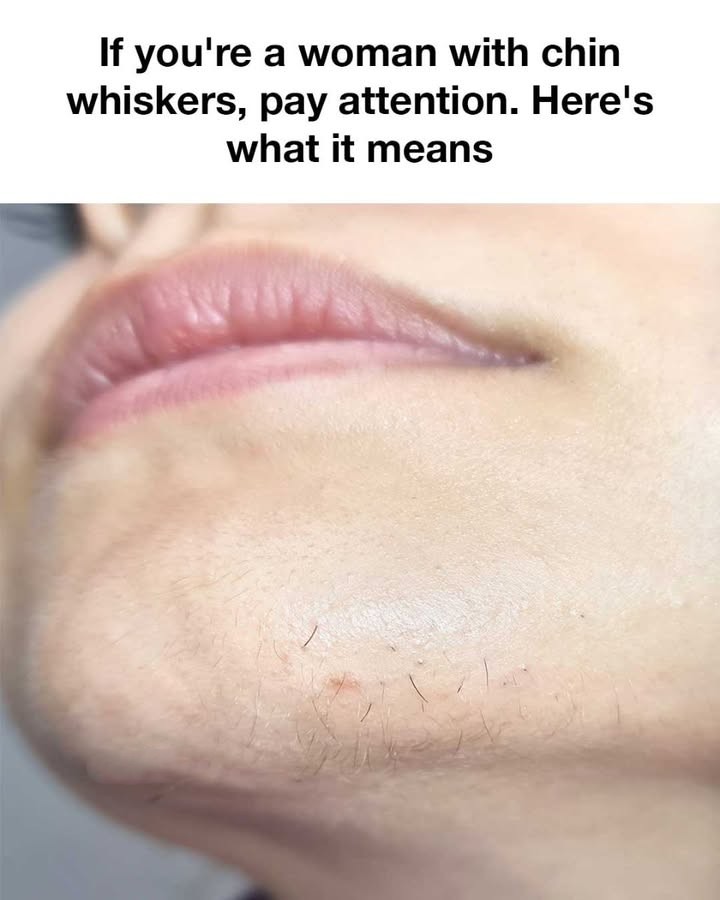
Chin whiskers in women, often a source of concern, are more common than many realize. These facial hairs can vary in texture and color—ranging from fine and light to coarse and dark. While some women may notice only a few stray hairs, others might experience more pronounced growth. Understanding the underlying causes of chin whiskers is crucial for managing them effectively. It’s important to recognize that chin whiskers are a normal part of life for many women and can be influenced by a variety of factors, including hormonal changes, genetics, and certain medical conditions.
The Science Behind Chin Hair Growth
Hair growth on the chin, like all body hair, follows a cycle:
-
Anagen (growth phase)
-
Catagen (transitional phase)
-
Telogen (resting phase)
Androgens—a group of hormones that includes testosterone—play a significant role in stimulating hair growth. Women naturally produce androgens, but an imbalance or increased sensitivity to these hormones can lead to more noticeable facial hair. Genetics also determine the density and distribution of hair follicles, influencing how much hair grows on the chin.
Hormonal Factors Contributing to Chin Whiskers
Hormonal fluctuations are a primary cause of chin whiskers in women. Conditions such as polycystic ovary syndrome (PCOS) can lead to elevated androgen levels, resulting in hirsutism—excessive hair growth in areas where men typically grow hair. Menopause is another time when women may notice an increase in facial hair due to a decline in estrogen, which shifts the hormonal balance. Additionally, birth control pills and other hormone-altering medications can contribute to changes in facial hair growth.
Genetic Predispositions and Family History
Genetics play a key role in determining hair growth patterns. If your mother or grandmother had chin whiskers, you may be more likely to experience them too. Ethnicity can also influence facial hair—women of Mediterranean, Middle Eastern, and South Asian descent often experience more facial hair. Understanding your family history can provide useful insight into what to expect.
Medical Conditions Linked to Excessive Facial Hair
Several medical conditions are associated with excessive facial hair in women. While PCOS is the most common, others include:
-
Cushing’s syndrome
-
Adrenal gland disorders
-
Certain tumors that increase androgen production
-
Hypothyroidism, which can sometimes disrupt hair growth patterns
If you notice sudden or excessive hair growth, consult a healthcare provider to rule out underlying health issues.
Top 10 Effects of Chin Whiskers on Women’s Health and Well-Being
-
Self-consciousness and embarrassment
-
Anxiety and stress about appearance
-
Time and financial cost of hair removal
-
Skin irritation from frequent hair removal
-
Impact on social interactions and relationships
-
Negative body image and self-esteem issues
-
Obsession with checking and removing hair
-
Avoidance of certain social situations
-
Concerns about underlying health problems
-
Potential for depression or anxiety disorders
Psychological Impact and Self-Esteem Concerns
Chin whiskers can significantly affect a woman’s self-esteem and body image. Many women feel embarrassed or self-conscious about their facial hair, which can lead to anxiety and reduced confidence. This can impact social life, professional situations, and personal relationships. The pressure to meet societal beauty standards often intensifies these feelings, highlighting the importance of addressing the psychological side of facial hair growth and seeking support when needed.
Social Perceptions and Cultural Influences
Cultural norms and media influence how women perceive facial hair. In many societies, hairless skin is idealized, leading to stigma for women with facial hair and creating the false notion that it’s unfeminine. However, perspectives are beginning to shift, with increasing awareness around body positivity and natural beauty. More open conversations are helping women feel less isolated and more empowered to make personal choices about their appearance.
Effective Hair Removal Techniques and Options
Women have many options for managing chin whiskers, including:
-
Temporary methods:
-
Shaving
-
Plucking
-
Waxing
-
Depilatory creams
-
-
Longer-lasting methods:
-
Laser hair removal
-
Electrolysis (permanent solution for some)
-
Prescription creams like eflornithine, which can slow hair growth
-
Choose the method that suits your skin type, budget, and lifestyle. If you experience irritation or are unsure which option is best, consult a dermatologist.
When to Consult a Healthcare Professional
see continuation on next page
ADVERTISEMENT
ADVERTISEMENT
