ADVERTISEMENT
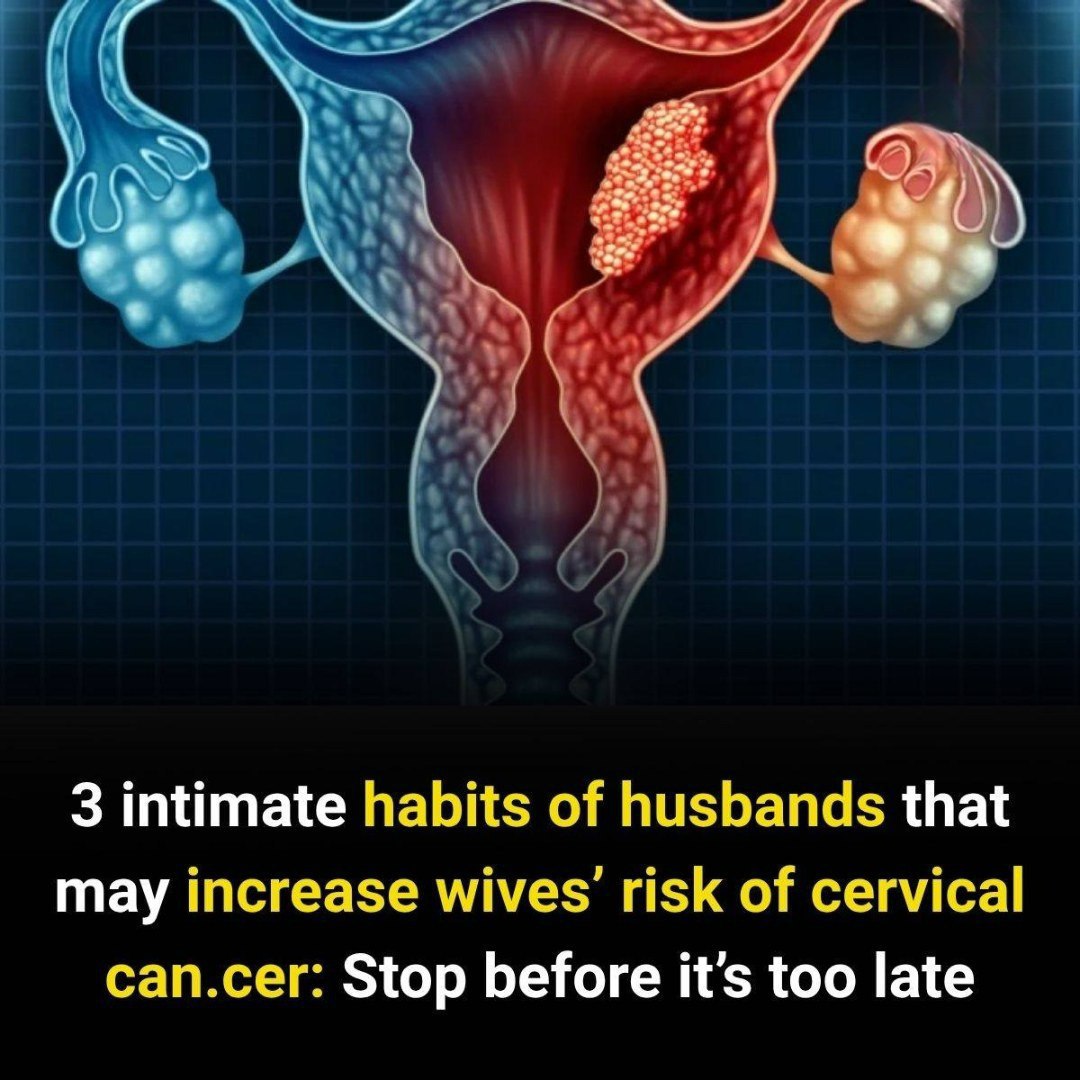
Cervical cancer is one of the most preventable forms of cancer — thanks to modern medicine, regular screening, and vaccination.
Yet, it still affects hundreds of thousands of women worldwide each year.
The good news?
👉 Nearly all cases are caused by a common virus — and with the right knowledge, they can be prevented.
Let’s explore what really causes cervical cancer, the role of HPV, and how you can protect your health — without fear or blame.
🔬 What Causes Cervical Cancer?
Human papillomavirus (HPV) is responsible for over 99% of cervical cancer cases.
HPV is a common sexually transmitted infection — 80% of people will get it at some point
Most infections clear on their own
But certain high-risk types (like HPV 16 and 18) can lead to cell changes that, if untreated, may become cancer over time
✅ It’s not about behavior, morality, or blame — it’s about biology and prevention.
🛡️ How to Prevent Cervical Cancer
- Get the HPV Vaccine
Recommended for boys and girls ages 9–12, and for adults up to age 45
Protects against the most dangerous types of HPV
Highly effective — studies show it has reduced cervical cancer rates by up to 90% in vaccinated populations
💉 Available as Gardasil 9 — safe and widely used. - Get Regular Pap Smears (Pap Tests)
Detects abnormal cells on the cervix before they turn into cancer
Recommended every 3–5 years (depending on age and test type)
Often combined with HPV testing
✅ Early detection saves lives. - Practice Safe Intimacy
- Use condoms — they reduce (but don’t eliminate) HPV transmission
- Limit number of sexual partners — lowers exposure risk
- Open communication with partners about sexual health
What Men Can Do to HelpWhile only women can develop cervical cancer, partners play a key role in prevention:- Get the HPV vaccine (protects against genital warts and cancers in men too)
- Support your partner’s screening and healthcare visits
- Practice open, shame-free conversations about sexual health
✅ Prevention is a shared responsibility — not a source of guilt.Final ThoughtsCervical cancer isn’t caused by “intimate habits” — it’s caused by a virus that most people never know they have.But with the HPV vaccine, regular Pap smears, and informed choices, it’s one of the most preventable cancers we face.So instead of fear, let’s focus on:
- Vaccination
- Screening
- Education
- Compassion
Because every woman deserves to feel safe, informed, and empowered — in her health and in her life.
ADVERTISEMENT
