
ADVERTISEMENT
Cardamom is loved for its warm, sweet, aromatic flavor — but what many people don’t realize is that this small green pod carries significant natural powers far beyond its role as a culinary spice. Used for centuries in traditional medicine, cardamom offers digestive support, oral health benefits, respiratory relief, and even metabolic support.
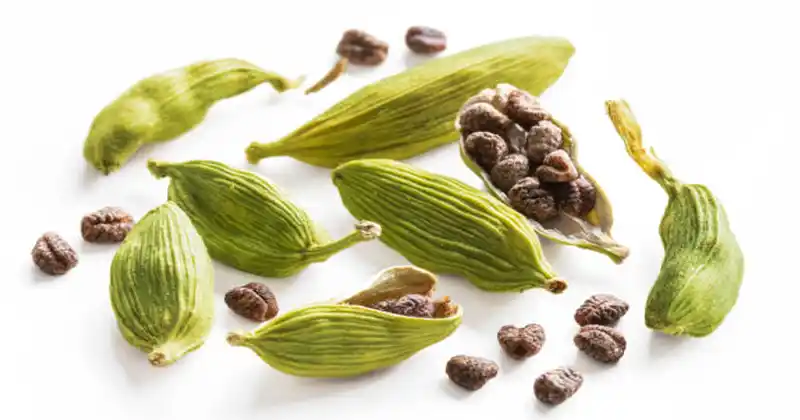
Below is a complete breakdown of cardamom’s non-culinary benefits, followed by detailed ways to use it safely and effectively.
1. Digestive Support
Cardamom is widely known as a natural digestive aid.
It may help with:
- bloating
- gas
- indigestion
- nausea (including motion-related nausea)
It stimulates digestive enzymes and can calm an irritated stomach.
2. Oral Health
Cardamom has natural antibacterial compounds.
It can help:
- freshen breath
- reduce harmful bacteria in the mouth
- soothe mild gum irritation
Chewing a pod is a traditional “herbal mouth freshener.”
3. Respiratory Relief
Cardamom’s essential oils have expectorant properties. It may help:
- open airways
- ease mild cough
- support clear breathing
- reduce mucus buildup
Some people use it in teas or inhalations.
4. Antioxidant & Anti-Inflammatory Properties
Cardamom contains phytochemicals that fight oxidative stress.
These compounds help:
- reduce internal inflammation
- support long-term cellular health
- protect tissues from damage
This is one reason cardamom is used in many traditional medicinal systems.
5. Natural Mood Support
Aromatherapists use cardamom oil for:
- mental clarity
- reducing mild stress
- uplifting mood
- easing mental fatigue
Its smell is warming and stimulating, not sedative.
6. Metabolism & Blood Sugar Support
Some research suggests cardamom may help:
- modestly support healthy blood sugar levels
- improve metabolic markers
- reduce certain markers of inflammation in the liver
This is why it sometimes appears in metabolic herbal blends.
7. Kidney & Urinary Benefits
Cardamom is traditionally seen as mildly diuretic.
It may support:
- natural detoxification through increased urination
- kidney cleansing
- reducing mild water retention
8. Antimicrobial & Anti-Fungal Activity
Cardamom essential oil contains compounds that show activity against certain bacteria and fungi.
This is why it’s sometimes used in:
- natural cleaning products
- antimicrobial balms
- herbal preservative blends
How to Use Cardamom for Its Benefits (Detailed Methods)
Below are practical, effective ways to take advantage of all these benefits.
1. Cardamom Tea (Digestive, Respiratory, Mood Support)
Method:
- Crush 2–3 green cardamom pods.
- Boil them for 5–7 minutes.
- Drink after meals or when you feel bloated, nauseous, or congested.
Benefits:
- Supports digestion
- Reduces nausea
- Calms gas and bloating
- Helps open airways
- Provides antioxidants
2. Chewing Whole Cardamom Pods (Oral Health)
Chew 1 pod after meals or when you want fresh breath.
Benefits:
- Freshens breath naturally
- Reduces harmful mouth bacteria
- Supports gum comfort
3. Cardamom Water for Detox & Kidney Support
Method:
- Soak 3–4 cracked pods in warm water overnight.
- Drink in the morning.
Benefits:
- Mild diuretic effect
- Supports kidney cleansing
- Helps reduce water retention
4. Cardamom Steam Inhalation (Respiratory Support)
This method targets the lungs, sinuses, and mental clarity.
Method with Pods:
- Crush 2–3 cardamom pods.
- Add to a bowl of hot water.
- Lean over, cover head with a towel, inhale for 5–10 minutes.
Method with Essential Oil:
- Add only 1–2 drops cardamom essential oil to hot water.
Benefits:
- Opens airways
- Loosens mucus
- Relieves mild cough
- Refreshes the mind
- Supports sinus comfort
5. Cardamom Powder in Warm Water (Digestive & Anti-Inflammatory)
Use just a pinch.
Benefits:
- Soothes indigestion
- Reduces bloating
- Provides antioxidants
6. Cardamom in Food for Metabolic Support
Add cardamom to oatmeal, smoothies, coffee, rice, or baked snacks.
Benefits:
- Supports metabolic health
- Helps balance blood sugar
- Adds warming flavor and aroma
7. Aromatherapy (Mood Support)
Diffuse 2–3 drops of cardamom essential oil in a room.
Benefits:
- Clears the mind
- Eases mild stress
- Uplifts mood
- Reduces mental fatigue
Safety, Precautions, and Disclaimer
- Cardamom is generally safe in culinary and tea amounts.
- Large doses of essential oil should not be ingested.
- Steam inhalation may irritate individuals with asthma or sensitive lungs.
- People with gallstones should avoid heavy use, as cardamom may trigger biliary discomfort.
- Always use essential oils diluted and in very small amounts.
- Pregnant or breastfeeding individuals should consult a professional before using concentrated extracts.
- Cardamom is not a replacement for medical treatment.
Disclaimer:
This article is for informational and educational purposes only. It does not provide medical advice and should not be used as a substitute for professional diagnosis, treatment, or guidance. Always consult a qualified healthcare provider before starting any new herbal remedy, especially if you have underlying health conditions or take medication.
ADVERTISEMENT
