ADVERTISEMENT
What are those ‘white stones’ that appear in the mouth and cause bad breath?
Learn how to eliminate these unwanted, smelly little stones.
Have you ever coughed and noticed a small white ball, with a strong and unpleasant smell, coming out of your throat? This phenomenon is more common than it seems.
Share on Telegram
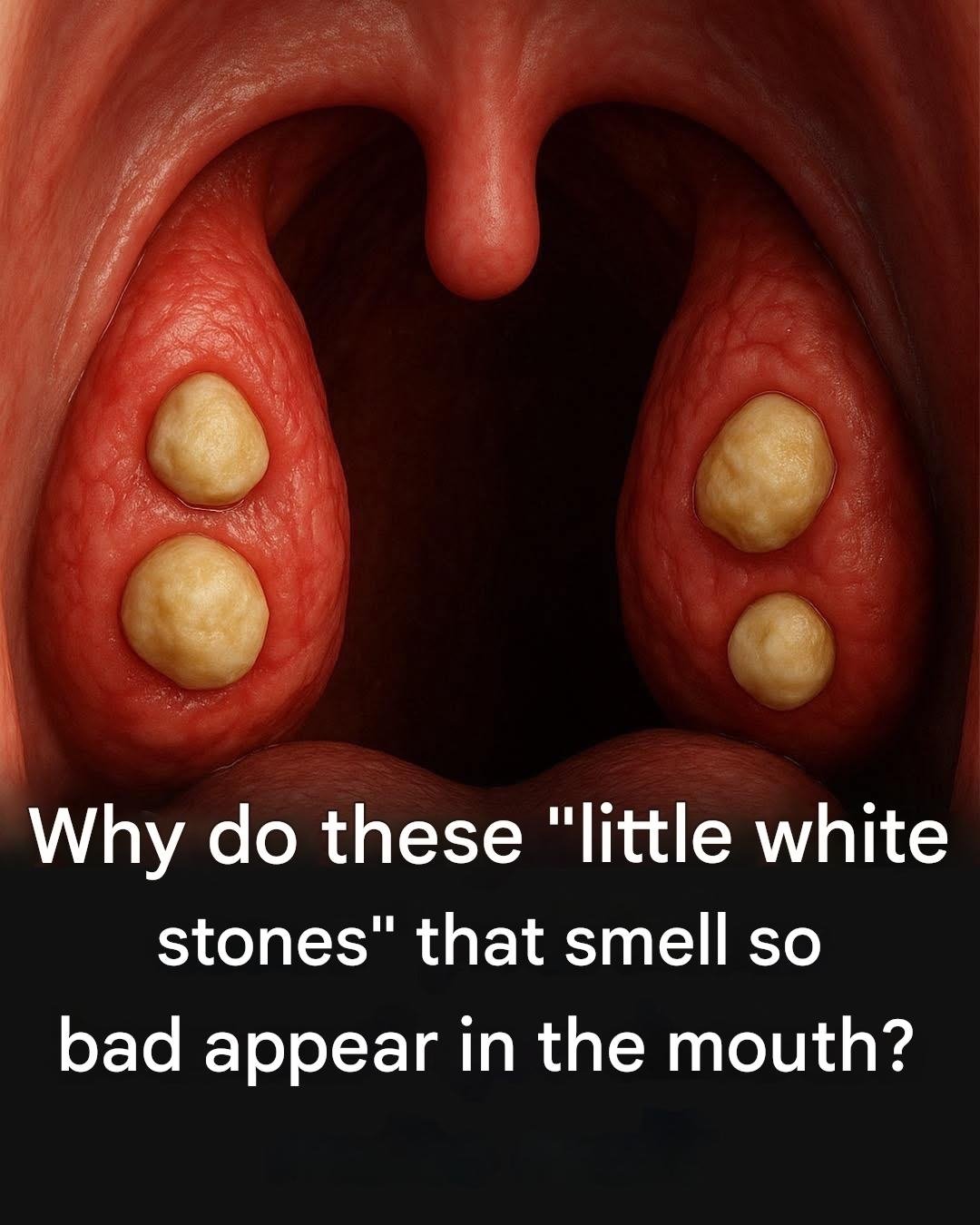
Many people live with these small formations without even knowing what they are. Called tonsil stones, or tonsilloliths, these stones can be uncomfortable and cause persistent bad breath.
First of all, it’s worth saying that tonsil stones are harmless at first, causing only bad odor as discomfort.
However, if they are not removed or appear too frequently, they can trigger bigger problems, such as tonsillitis and other types of inflammation.
Take the opportunity to read also
General
Take this natural remedy of honey, cinnamon and ginger and be impressed with the results
General
Bad breath is cured with zedoary tea
Want to know more about this subject? Check out the details below.
What are tonsil stones, after all?
As mentioned above, tonsil stones are small solid formations that develop in the tonsils. Their composition mainly involves organic residues, such as food debris and desquamated cells from the oral mucosa itself.
Follow our Telegram channel
When these particles get trapped in the crypts of the throat, the combination with the calcium present in saliva hardens the mass, creating these “stones”. The strong smell comes precisely from the decomposition process of the accumulated elements.
In other words, these formations do not appear overnight. They are the result of a continuous and often silent accumulation.
Main symptoms you should observe
Tonsil stones do not always cause pain, but they can cause a number of uncomfortable signs. Among the most common symptoms are:
Persistent bad breath, even with good oral hygiene
Sensation of something stuck in the throat
Mild difficulty swallowing
Dry or irritating cough
Frequent irritation or inflammation of the tonsils
These symptoms vary from person to person. Some people eliminate tonsil stones naturally when coughing or eating firmer foods, without ever knowing what actually happened.
Why do these stones form in the throat?
There are several factors that favor the formation of tonsil stones. The structure of the tonsils is one of them: people with deeper crypts tend to accumulate them more frequently. Other factors that increase the risk are:
Inadequate oral hygiene
Recurrent tonsillitis
Reduced saliva production
Smoking or mouth breathing
Excessive consumption of dairy products or foods that leave residue
Each factor contributes differently, but they all have in common the accumulation of debris in the throat area, creating an environment favorable to the formation of tonsil stones.
How to eliminate tonsil stones without harming the throat?
Often, tonsil stones come loose spontaneously. However, when this does not happen, there are safe ways to remove or reduce them:
Oral irrigators: devices that spray jets of water and help to gently clean the tonsils.
Warm salt water rinses: reduce inflammation and loosen accumulated residue.
Firm and crunchy foods: such as apples or toast, which can dislodge tonsil stones naturally.
Professional removal: In persistent cases, it is best to consult an otolaryngologist for safe extraction.
Never try to remove tonsil stones with sharp objects or by pressing on your throat. This can cause wounds and even infect the area.
Is it possible to prevent the formation of these stones?
Prevention is simple and starts with a routine of oral and throat care. Some actions can make all the difference:
Brush your teeth and tongue after each meal
Use dental floss daily
Rinse your mouth with antiseptic solutions
Drink plenty of water throughout the day
Avoid sticky foods that leave residue
Keeping the throat free of impurities also helps with local immunity and reduces the risk of tonsillitis.
Even though they are not dangerous in most cases, tonsil stones can directly affect the well-being of those who live with them.
Therefore, understanding their origin, knowing how to identify them, and acting correctly is the best way to avoid discomfort and maintain good throat health.
ADVERTISEMENT
