ADVERTISEMENT
More than 35 million American adults live with chronic kidney disease (CKD), yet about 90% remain unaware until the condition advances significantly. This often happens because early kidney damage develops quietly over years, with few noticeable changes at first. Many people over 50 dismiss subtle shifts—like lingering tiredness or occasional swelling—as normal signs of aging. But these could signal your kidneys are struggling to filter waste and balance fluids effectively. The good news? Spotting potential warning signs early and discussing them with your doctor can make a real difference in managing kidney health. Keep reading to uncover these often-overlooked clues—and discover simple steps that might help protect your kidneys before issues escalate.
The Silent Nature of Kidney Decline After 50
As we age, kidney function naturally changes. Blood flow to the kidneys decreases slightly, and the organs become a bit less efficient at filtering waste. Research from the National Kidney Foundation shows that risk rises with age, especially after 60, due to common conditions like high blood pressure and diabetes.
Here’s the challenging part: Kidneys can lose up to 50% of their function before obvious problems appear. Studies indicate symptoms often emerge only when function drops below 30%. That’s why CKD is sometimes called a “silent” condition—damage builds gradually without fanfare.
But that’s not the whole story… Many everyday experiences could be your body’s way of signaling for attention. Recognizing them early empowers you to seek checks like blood or urine tests.
Quick self-check: In the past month, have you noticed any of these?
- Puffy eyes or ankles
- Frequent nighttime bathroom trips
- Foamy urine
- Persistent fatigue
- Itchy skin
If even one resonates, it’s worth paying closer attention.
15 Common Warning Signs of Potential Kidney Issues
These signs aren’t exclusive to kidney problems—they can stem from other causes too. However, according to sources like the Mayo Clinic and National Kidney Foundation, they frequently appear as kidneys work harder to compensate. Think of them as gentle nudges rather than alarms.
We’ve ranked them from more subtle to potentially more noticeable:
Sign #1: Puffy Eyes or Swollen Ankles
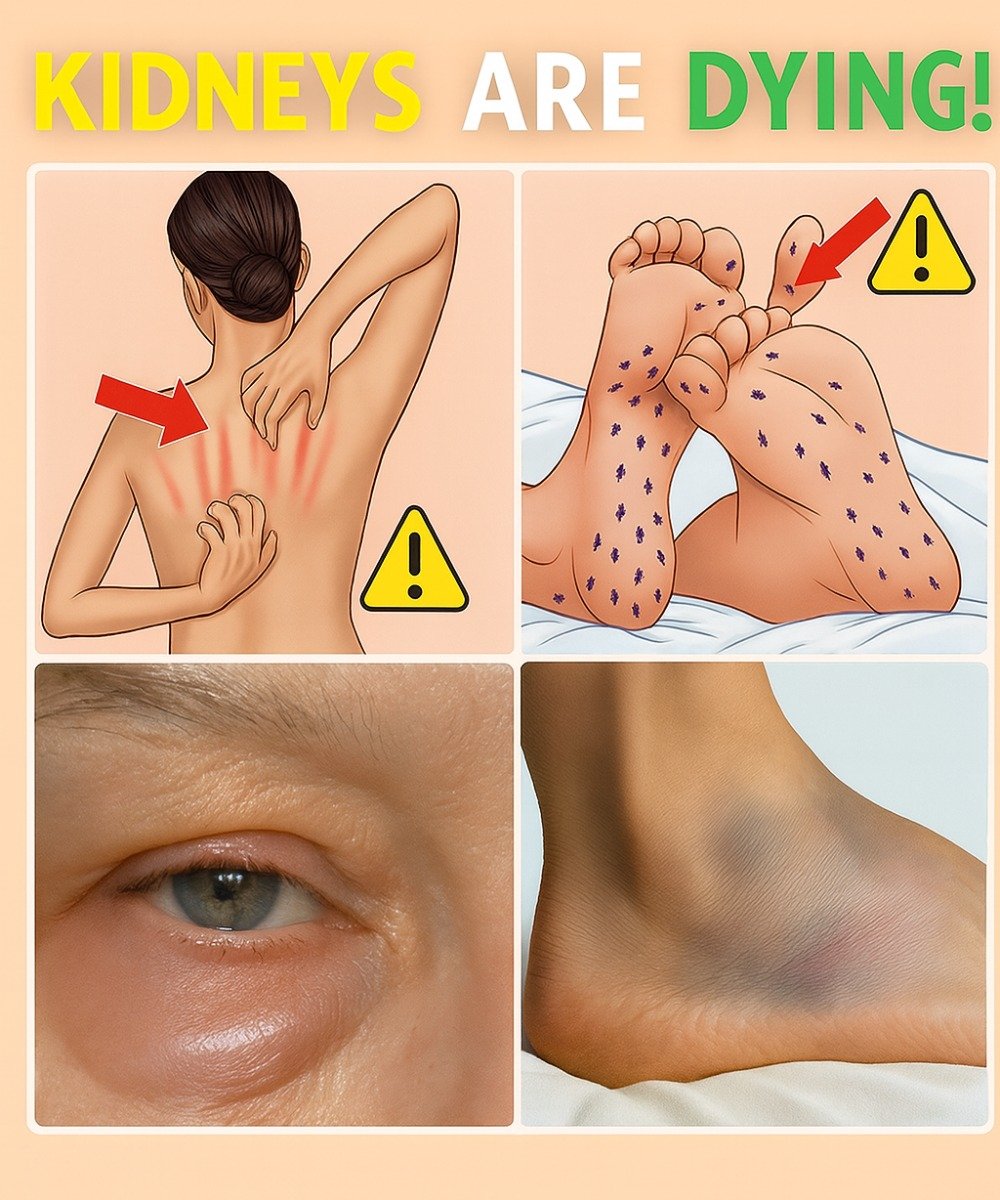
Fluid buildup (edema) happens when kidneys don’t remove excess water efficiently. It often starts around the eyes in the morning or ankles by evening.
Sign #2: Foamy or Bubbly Urine
Lingering bubbles could indicate protein leaking into the urine, a common early marker noted by experts.
Sign #3: Frequent Nighttime Urination
Waking up multiple times to pee (nocturia) might reflect kidneys struggling with fluid balance overnight.
Sign #4: Deep Fatigue That Rest Doesn’t Fix
Tiredness can result from buildup of waste products or anemia, as kidneys help produce red blood cells.
Sign #5: Persistent Itchy Skin
Toxins accumulating in the blood can irritate the skin, especially at night.
Sign #6: Metallic Taste or Bad Breath
Waste buildup sometimes affects taste and breath.
Sign #7: Shortness of Breath
Fluid in the lungs from poor filtration can make breathing feel harder.
Sign #8: Difficulty Concentrating or Brain Fog
Toxins may impact mental clarity.
Sign #9: Lower Back Discomfort
A dull ache near the kidneys could signal strain (though many causes exist).
Sign #10: Rising Blood Pressure
Kidneys help regulate BP; issues can create a cycle of higher readings.
Sign #11: Muscle Cramps
Electrolyte imbalances might trigger cramps.
Sign #12: Morning Nausea
Waste products can upset the stomach.
Sign #13: Feeling Cold More Often
Anemia from reduced kidney hormones can lower body temperature tolerance.
Sign #14: Pale Skin or Brittle Nails
Linked to anemia and nutrient shifts.
Sign #15: Occasional Chest Discomfort
Fluid overload can strain the heart.
You’ve made it through the list—great job sticking with it!
Why Early Awareness Matters
Spotting these signs sooner rather than later allows for timely discussions with your healthcare provider. Research shows managing risk factors early can slow progression in many cases. Benefits include maintaining energy, better sleep, and overall vitality.
Here’s a quick overview of at-home monitoring ideas that some experts suggest (always confirm with your doctor first):
| Daily Check | What to Watch For | Why It Might Help |
|---|---|---|
| Morning weight (same time, no clothes) | Sudden gain of 2-4 lbs overnight | Could indicate fluid retention |
| Blood pressure readings | Consistent >130/80 | Tracks a key risk factor |
| Urine observation | Persistent foam or changes | Simple visual cue |
| Energy and symptom journal | Patterns in fatigue or swelling | Helps spot trends |
Actionable Steps to Support Kidney Health
Small, consistent habits can go a long way. Here’s a step-by-step guide:
- Stay hydrated: Aim for steady water intake throughout the day.
- Monitor BP at home: Use a validated device and log readings.
- Eat balanced meals: Focus on fruits, veggies, whole grains, and moderate protein.
- Move regularly: Even walking 30 minutes most days supports overall health.
- Schedule check-ups: Ask about kidney-specific tests like eGFR and urine albumin if you’re over 50 or have risks like diabetes.
The most powerful tool? Regular professional screening—simple blood and urine tests can reveal hidden changes.
Conclusion
Turning 50 and beyond brings wisdom, but also a need to tune into your body’s signals more closely. By understanding these 15 common signs and taking proactive steps, you’re already ahead. Early conversations with your doctor about kidney health can provide peace of mind and guidance tailored to you.
Bookmark this as a reference, share it with loved ones, and consider tracking one sign this week. Your kidneys work hard for you—returning the favor starts with awareness.
Frequently Asked Questions
1. At what age should I start checking my kidney health?
If you’re over 50, or have risks like high blood pressure or family history, annual screening is often recommended by organizations like the National Kidney Foundation.
2. Can kidney issues be reversed if caught early?
While early damage can’t always be fully reversed, managing it effectively can significantly slow progression and improve quality of life.
3. What tests detect kidney problems early?
A simple blood test for creatinine (to estimate GFR) and urine test for albumin are standard starting points.
This article is for informational purposes only and is not a substitute for professional medical advice. If you notice any concerning changes, please consult your healthcare provider promptly for personalized evaluation and testing. Early detection is key, but individual situations vary
ADVERTISEMENT
