ADVERTISEMENT
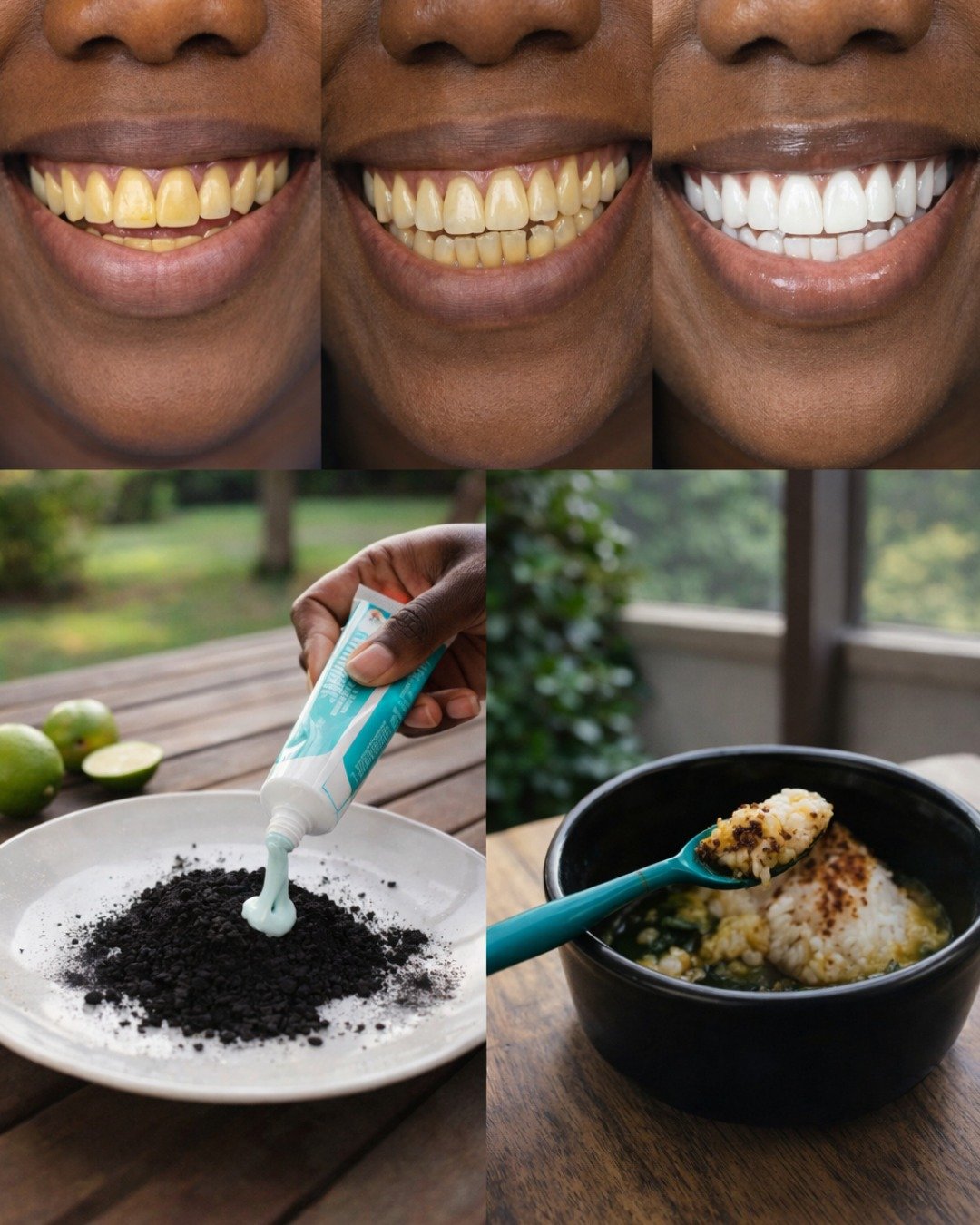
Yellowing teeth can be frustrating, especially when coffee, tea, or everyday foods leave behind stubborn surface stains that make your smile look dull and aged. It affects your confidence—whether you’re chatting with friends or smiling in photos—and over time, those stains build up, making it harder to feel great about your appearance. Many people search for quick home tips to help restore a fresher, brighter look without harsh methods.
But here’s the good news: there are gentle daily habits that can support a naturally brighter smile over time. And in just a moment, I’ll share some practical steps you can try at home… plus a surprising insight from dental experts that might change how you approach this altogether.

Understanding What Causes Teeth to Look Yellow
Teeth discoloration often comes from extrinsic stains—those on the outer surface caused by pigments in foods and drinks.
Common culprits include:
- Dark beverages like coffee, black tea, and red wine
- Foods such as berries, curry, or tomato-based sauces
- Tobacco use
- Natural aging, as enamel thins and reveals the yellower dentin underneath
Research shows that these surface stains are the most common type people notice in daily life. The truth is, no home method can change your teeth’s natural shade dramatically. But consistent habits can help reduce buildup and keep things looking fresher.
Here’s the interesting part: studies highlight that gentle polishing agents in everyday products can make a noticeable difference in removing those surface marks without overdoing it.

Safe and Gentle Ways to Support a Brighter Smile at Home
If you’re looking for natural approaches, focus on low-abrasive options backed by dental research. The American Dental Association (ADA) emphasizes using proven, gentle methods to avoid enamel wear.
Baking Soda: A Mild Option for Surface Stain Removal
Baking soda (sodium bicarbonate) is one of the most studied natural abrasives. It’s mildly abrasive, helping scrub away surface stains while being gentle on enamel.
- Clinical reviews, including those published in the Journal of the American Dental Association, note that baking soda dentifrices effectively remove stains better than some non-abrasive alternatives.
- It’s often included in ADA-approved whitening toothpastes because of its low abrasivity rating.
Many people mix a small amount with their regular toothpaste for occasional use. But remember, it’s best as part of a fluoride toothpaste routine for full protection.
Oil Pulling: An Ancient Habit for Oral Freshness
Oil pulling involves swishing coconut or sesame oil in your mouth for 10-15 minutes daily.
- Some studies suggest it reduces plaque and bacteria, which can indirectly help teeth appear cleaner and brighter.
- It’s non-abrasive and safe for daily use, with no risk to enamel.
This practice promotes overall mouth health, potentially leading to a fresher look over weeks.
Eating Crunchy Fruits and Vegetables
Nature’s own “toothbrushes” like apples, carrots, and celery can help.
- Their fibrous texture naturally scrubs surfaces while you chew.
- High water content increases saliva flow, washing away debris.
Pair this with limiting staining foods—rinse with water after coffee or use a straw to minimize contact.

Choosing the Right Toothpaste
Look for toothpastes with the ADA Seal of Acceptance.
- Many include mild polishing agents like baking soda or hydrated silica for safe stain removal.
- Avoid products lacking fluoride, as it strengthens enamel and prevents decay.
Here’s a quick comparison of common home approaches:
| Method | Potential Benefit | Safety Notes | Frequency Recommendation |
|---|---|---|---|
| Baking Soda Mix | Helps polish surface stains | Low abrasive; safe occasionally | 2-3 times per week |
| Oil Pulling | Reduces plaque buildup | Very gentle; no enamel risk | Daily |
| Crunchy Produce | Natural scrubbing action | Completely safe | With meals |
| Whitening Toothpaste (ADA-approved) | Gradual brightening | Proven safe and effective | Twice daily |
These habits, when combined, can support noticeable improvements over time.
Step-by-Step Actionable Tips You Can Start Today
Ready to try something simple? Here’s a gentle routine many find helpful:
- Brush twice daily with an ADA-approved fluoride toothpaste (optionally add a pinch of baking soda 2-3 times a week for extra polishing).
- Floss daily to remove debris between teeth.
- Swish with coconut oil for 10 minutes in the morning if it fits your routine.
- Eat an apple or crunchy veggie after meals as a natural cleanser.
- Drink water after staining beverages and wait 30 minutes before brushing to protect softened enamel.
Consistency is key—most people see fresher results in 4-6 weeks with these steps.
But that’s not all… professional cleanings remove tougher buildup that home habits can’t reach.
When to Consider Professional Options
For deeper or more stubborn discoloration, talk to your dentist. They can recommend safe whitening toothpastes or in-office options tailored to your needs. Research shows peroxide-based treatments (under professional guidance) provide more significant brightening while protecting enamel.
Conclusion
Building simple habits like using gentle polishing agents, oil pulling, and smart eating choices can help your teeth look naturally brighter and healthier over time. Pair them with regular brushing, flossing, and dental visits for the best results. A consistent routine often leads to the most satisfying, long-lasting smile.
FAQ
How long does it take to see brighter teeth with home habits?
Most people notice subtle improvements in 2-4 weeks with daily consistency, though results vary based on stain levels.
Is it safe to use home methods every day?
Gentle options like oil pulling or crunchy foods are fine daily. Limit abrasive mixes (like baking soda) to a few times weekly to avoid over-polishing.
Can natural habits replace professional whitening?
They support surface freshness but won’t match professional results for deeper stains. Always consult your dentist for personalized advice.
Disclaimer: This article is for informational purposes only and not a substitute for professional dental advice. Home habits may not work for everyone, and overuse of abrasives can harm enamel. Consult your dentist before trying new routines, especially if you have sensitive teeth or dental conditions.
ADVERTISEMENT
