ADVERTISEMENT
🌿 Never Step on This Weed — It’s a Hidden Treasure in Your Garden
Most people pull it out, crush it underfoot, or spray it without a second thought. But purslane is one of the most useful plants that grows naturally in gardens around the world.
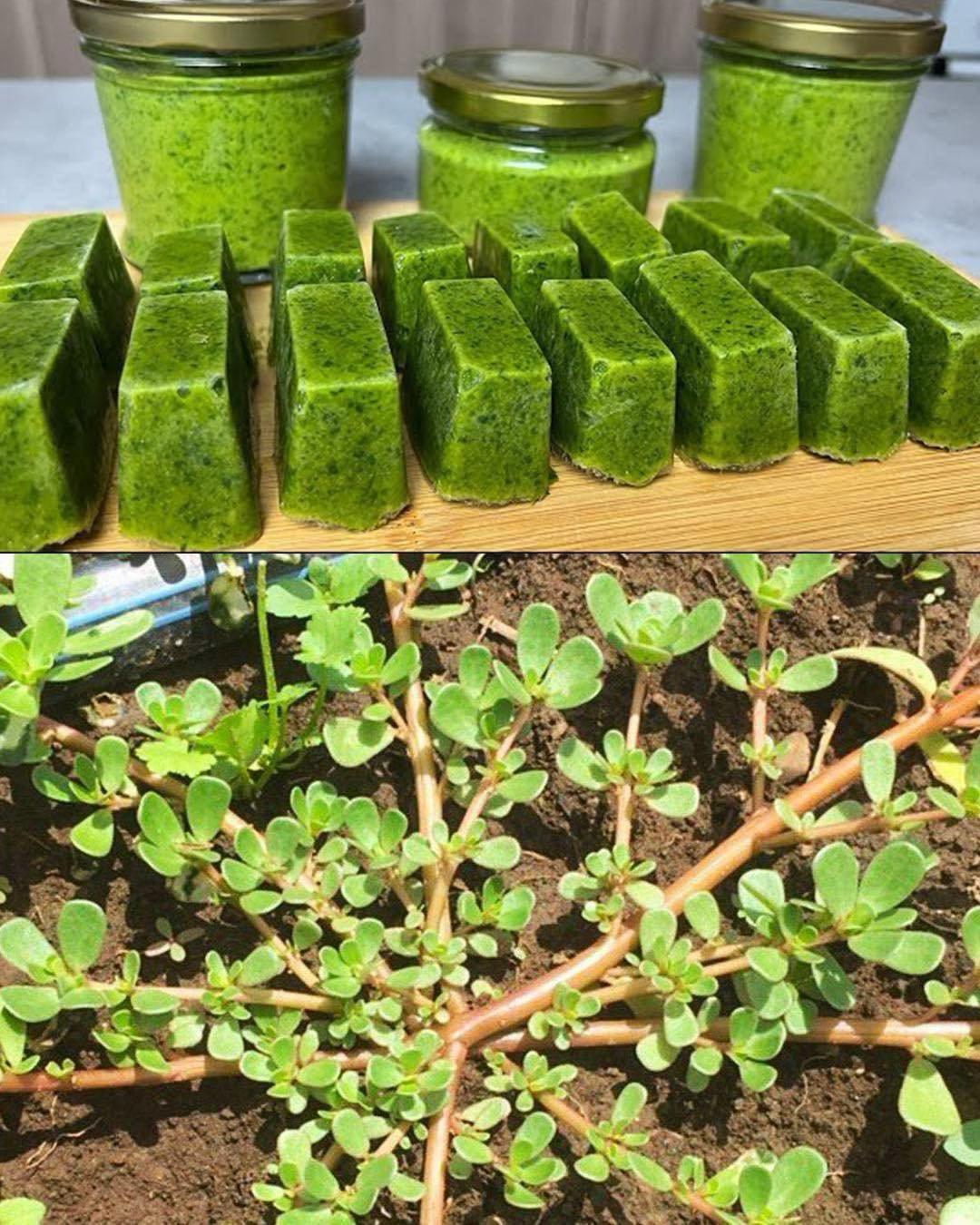
🔍 What You’re Seeing in the Image
-
Low-growing, spreading plant
-
Smooth reddish stems
-
Small, thick, spoon-shaped green leaves
-
Thrives in poor soil and hot weather
That’s purslane.
💎 Why Purslane Is Called “Garden Gold”
1. Edible & Nutritious
Purslane has been eaten for centuries in many cultures.
-
Slightly lemony, crunchy taste
-
Used raw in salads or cooked like spinach
-
Traditionally valued as a nutrient-dense leafy green
(Always wash thoroughly and be 100% sure of identification before eating.)
2. Excellent Ground Cover
-
Protects soil from erosion
-
Retains moisture during hot weather
-
Suppresses other aggressive weeds
Nature’s living mulch.
3. Soil Health Booster
-
Deep roots help loosen compacted soil
-
Adds organic matter when cut and composted
-
Improves garden resilience over time
4. Extremely Hardy
-
Grows without fertilizers
-
Survives drought
-
Keeps coming back even in harsh conditions
If your garden grows purslane, your soil is alive.
🌱 How Gardeners Use Purslane Instead of Removing It
✔ Harvest young stems for kitchen use
✔ Chop and drop as green mulch
✔ Add to compost piles
✔ Leave patches as natural ground cover
Smart gardeners manage it, not destroy it.
⚠️ Important Notes
-
Do not confuse with toxic look-alikes (like spurge, which has milky sap)
-
Avoid harvesting from polluted areas or roadsides
-
This is a food plant—not a miracle cure
🌼 Final Thought
What looks like a weed to one person is a resource to another.
Purslane proves that sometimes the most valuable plants grow quietly under our feet.
So next time you see it in your garden—pause before stepping on it.
You might be standing on gold 🌱
ADVERTISEMENT
