ADVERTISEMENT
Introduction
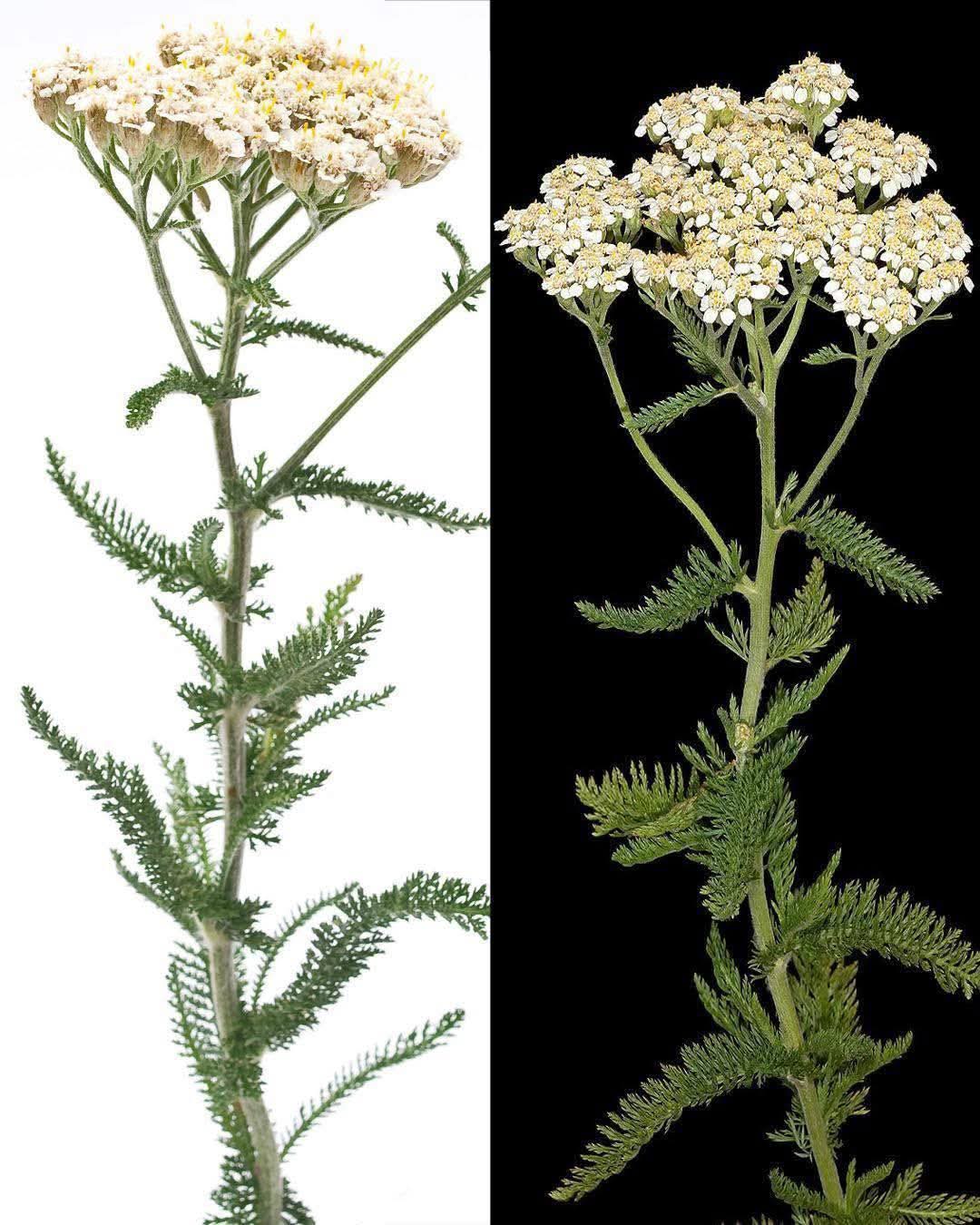
Yarrow (Achillea millefolium) is a resilient, perennial flowering herb from the Asteraceae family. Recognizable by its fern-like foliage and clusters of small white (or sometimes pink) flowers, yarrow has long been valued for its ornamental charm and healing power. Thriving in Europe, Asia, and North America, it holds a revered place in herbal medicine and traditional folklore.
🏛️ Historical Background
The name Achillea honors the Greek hero Achilles, who, according to legend, used yarrow to treat his soldiers’ wounds during the Trojan War. Ancient Greeks, Native Americans, and medieval Europeans all recognized yarrow’s medicinal potential — from fever remedies to wound care.
🧪 Key Constituents and Active Compounds
Yarrow owes its healing abilities to a variety of potent constituents:
Flavonoids – Antioxidant and anti-inflammatory effects
Alkaloids (e.g., achilleine) – Help promote clotting and stop bleeding
Volatile oils (e.g., chamazulene) – Anti-inflammatory and antiseptic action
Tannins – Provide astringent properties for wound tightening and healing
Bitter principles – Stimulate appetite and enhance digestion
🍵 Methods of Use and Preparation
1. Yarrow Tea
How to make:
Steep 1–2 teaspoons of dried yarrow in hot water for 10–15 minutes. Strain before drinking.
Benefits:
✔️ Reduces fevers
✔️ Eases cold and flu symptoms
✔️ Soothes indigestion and bloating
2. Yarrow Tincture
How to make:
Fill a clean jar halfway with chopped dried yarrow. Add vodka or brandy to the top. Seal and let steep for 4–6 weeks.
Dosage:
Take 1–2 ml up to 3x daily.
Uses:
✔️ Digestive aid
✔️ Anti-inflammatory support
✔️ Mild internal wound healing
3. Yarrow Poultice
How to make:
Crush fresh yarrow leaves into a green paste. Apply directly to skin.
Uses:
✔️ Stops bleeding from cuts
✔️ Soothes insect bites and stings
✔️ Reduces swelling and infection risk
4. Yarrow Oil or Salve
How to make:
Gently infuse dried yarrow in olive oil over low heat (double boiler or sun method). Strain and combine with beeswax to create a salve.
Uses:
✔️ Relieves bruises and minor burns
✔️ Heals dry or chapped skin
✔️ Great for homemade skincare remedies
🌟 Top Benefits of Yarrow
🩹 Wound Healing: Fastens clotting and minimizes bleeding
🌿 Digestive Support: Stimulates bile flow, eases cramps
🔥 Anti-inflammatory: Helps with infections and injuries
💪 Immune Support: Breaks fevers and supports overall wellness
💗 Menstrual Relief: Soothes cramps and regulates cycles
🌼 Yarrow Enthusiasts: Who Loves It?
Herbalists: A cornerstone herb in traditional and modern herbal medicine
Gardeners: Low-maintenance, pollinator-attracting, and deer-resistant
Natural Beauty Seekers: Used in toners, creams, and serums for its skin-calming properties
🥗 Nutritional Profile & Chemical Makeup
Yarrow contains:
Vitamins: A, C, and E — supporting immunity and skin health
Minerals: Iron, potassium, magnesium, and calcium
Essential Oils & Bitters: Aid liver function and digestive enzyme production
Its bitter taste is nature’s cue for the digestive system to activate — enhancing nutrient absorption and supporting detox.
✅ Conclusion
From ancient battlefields to backyard gardens, yarrow has remained a constant in the world of healing herbs. Whether you’re crafting a poultice or sipping its tea, Achillea millefolium offers natural, time-tested support for your body and mind. Its legacy as a protector, healer, and beautifier lives on — right at your fingertips.
ADVERTISEMENT
