ADVERTISEMENT
6 Reasons More Women in Their 20s & 30s Are Getting Fibroids — and How Food Is Quietly Fueling It 😱
Plus: how to manage fibroids if you already have them (starting with your next meal).
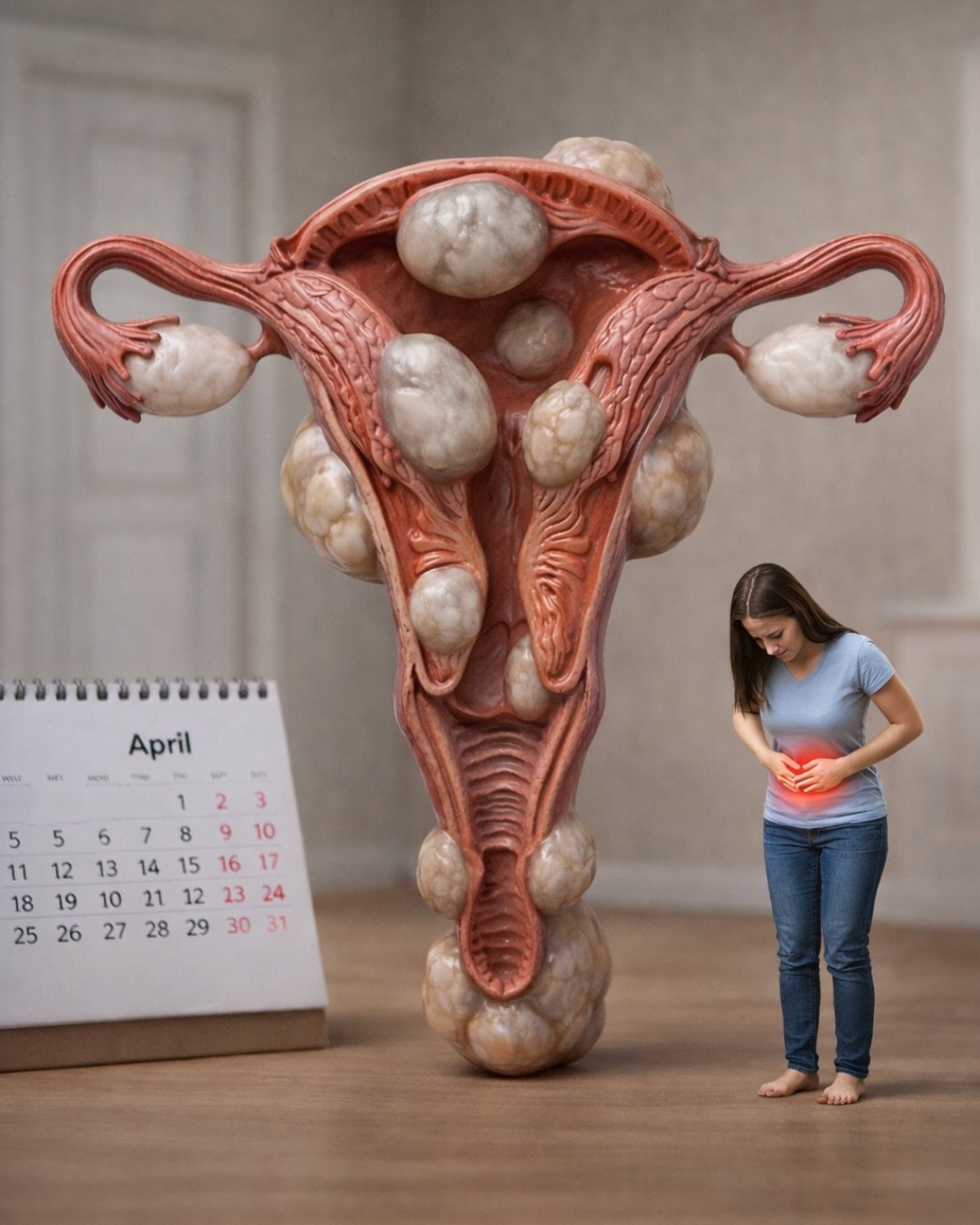
Uterine fibroids were once considered a “later-in-life” issue. Now, more women in their 20s and 30s are being diagnosed — often after years of unexplained symptoms like heavy periods, bloating, pelvic pain, fatigue, or fertility struggles.
So what’s changed?
A big piece of the puzzle is modern diet and lifestyle. Food doesn’t cause fibroids overnight, but it can quietly create the perfect environment for them to grow.
Let’s break it down.
What Are Fibroids (Quickly)?
Fibroids are non-cancerous growths made of muscle and fibrous tissue that develop in or around the uterus. They are estrogen-sensitive, meaning anything that increases estrogen activity in the body can help them grow faster.
1. Ultra-Processed Foods = Estrogen Chaos
Highly processed foods (fast food, packaged snacks, frozen meals) are linked to:
-
Insulin resistance
-
Chronic inflammation
-
Hormonal disruption
These foods overstimulate insulin, which indirectly boosts estrogen production. Fibroids thrive in this environment.
Common culprits:
-
Fast food
-
Sugary cereals
-
Packaged baked goods
-
Artificial sweeteners
2. Excess Red Meat & Processed Meat
Studies consistently associate high red-meat intake with increased fibroid risk.
Why?
-
Red meat promotes inflammatory prostaglandins
Promoted Content
-
Processed meats contain preservatives that disrupt hormone metabolism
-
Often cooked at high heat → oxidative stress
Swap instead: legumes, eggs, fish, and plant proteins.
3. Low Fiber Diets Trap Estrogen
Fiber helps your body remove excess estrogen through digestion. Without enough fiber:
-
Estrogen gets reabsorbed into the bloodstream
-
Hormone levels stay elevated longer
-
Fibroids get continuous growth signals
Most women eat far less fiber than needed.
Best fiber sources:
-
Leafy greens
-
Lentils
-
Chia & flax seeds
-
Berries
4. Hidden Estrogen Mimics in Food
Certain foods and food packaging expose you to xenoestrogens — chemicals that act like estrogen in the body.
They come from:
-
Plastic food containers
-
Canned foods (BPA linings)
-
Pesticide-heavy produce
Promoted Content -
Non-organic dairy & meat
These compounds don’t show up on nutrition labels — but your hormones feel them.
5. Sugar Spikes Fuel Inflammation
High sugar intake leads to:
-
Insulin spikes
-
Increased inflammatory markers
-
Hormonal imbalance
Inflammation makes fibroid tissue more active and symptomatic, increasing pain and bleeding.
Watch out for:
-
Fruit juices
-
Sweetened coffee drinks
-
“Healthy” granola bars
-
Hidden sugars in sauces
6. Stress + Diet = Hormonal Overload
Chronic stress raises cortisol, which:
-
Disrupts progesterone
-
Allows estrogen dominance
-
Worsens fibroid symptoms
Add a poor diet on top, and your hormonal system never gets a break.
How to Manage Fibroids If You Already Have Them 🌿
Food won’t magically erase fibroids — but it can slow growth, reduce symptoms, and support hormonal balance.
Eat More Of:
-
🥦 Cruciferous vegetables (broccoli, kale, cabbage)
-
🫐 Antioxidant-rich fruits
-
🫘 Beans & lentils
-
🫒 Olive oil
-
🐟 Omega-3 rich fish
-
🌱 Ground flaxseed (supports estrogen detox)
Reduce or Avoid:
-
🚫 Processed foods
-
🚫 Excess red meat
-
🚫 Added sugars
-
🚫 Alcohol
-
🚫 Plastic food storage
Support Detox Pathways:
-
Stay hydrated
-
Prioritize daily bowel movements (fiber!)
-
Support liver health with greens & bitter foods
The Takeaway
Fibroids aren’t just “bad luck” — they’re often the result of years of quiet hormonal pressure, much of it coming from what’s on your plate.
What you eat today may not cause fibroids tomorrow — but it absolutely influences whether they grow, shrink, or stay calm.
So yes…
Read this before your next meal — your uterus will thank you. 🩷
ADVERTISEMENT
