ADVERTISEMENT
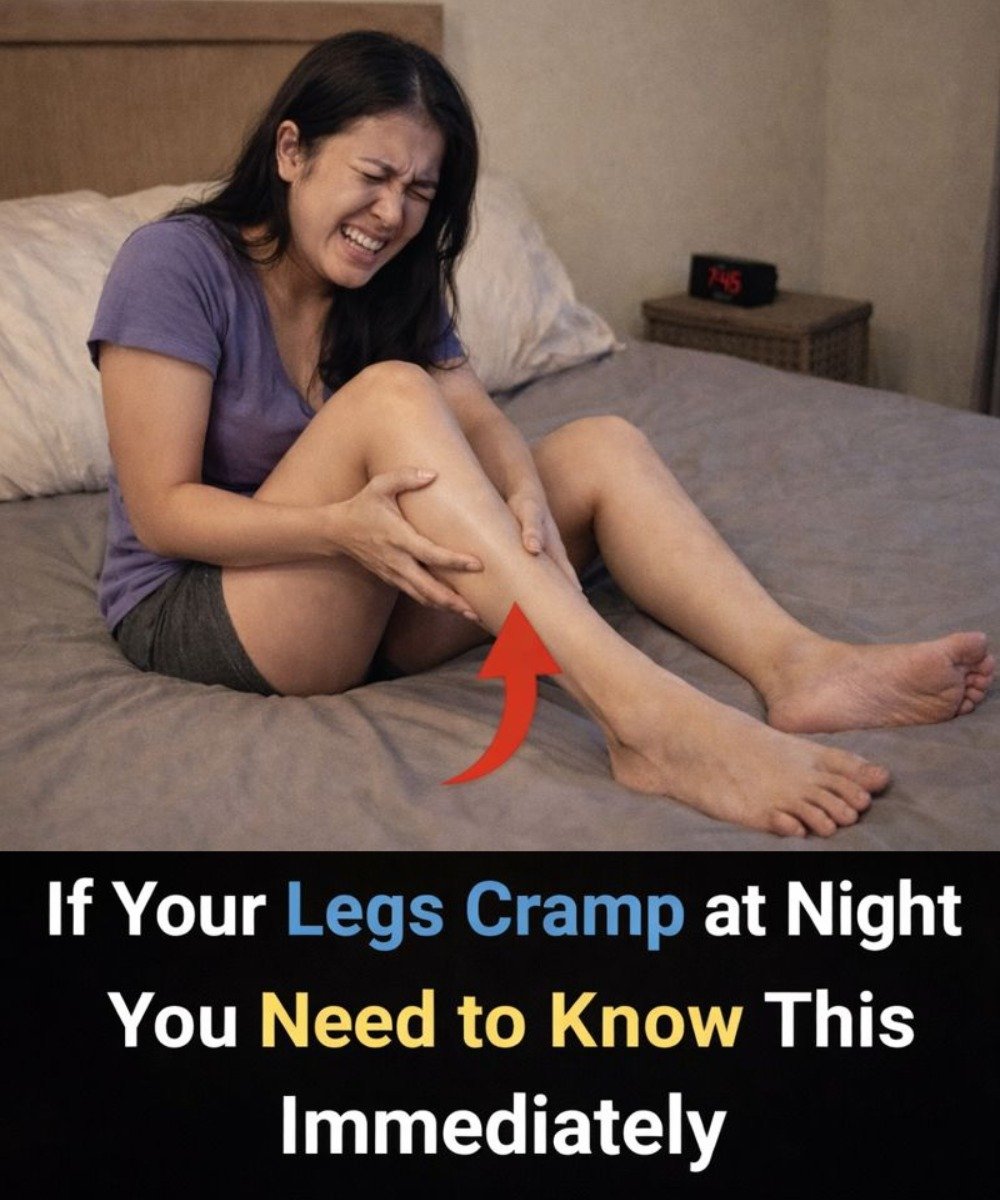
Waking up to a sharp, tightening pain in your calf or foot is a jolt no one wants in the middle of the night. That sudden muscle spasm can leave you gripping the sheets, unable to move until the agony slowly fades. For many people, these nighttime leg cramps become a frustrating pattern that steals precious sleep and leaves legs sore the next day. The good news? Understanding the most common triggers can help you take simple steps toward fewer interruptions and more restful nights. Keep reading to discover what might be behind your cramps—and the gentle habits that often make a real difference.

What Are Nighttime Leg Cramps, Exactly?
Nighttime leg cramps—also called nocturnal leg cramps—are sudden, involuntary muscle contractions that usually strike the calves, thighs, or feet during sleep. They can last from a few seconds to several minutes and often leave the muscle feeling tender afterward.
These cramps are surprisingly common. Studies estimate that up to 60% of adults experience them at some point, with frequency increasing with age. While rarely dangerous on their own, they can significantly disrupt sleep quality.
But here’s what many people don’t realize…
They’re often linked to everyday factors you can actually influence.
9 Common Causes of Nighttime Leg Cramps
1. Dehydration and Fluid Imbalance
Even mild dehydration during the day can affect how your muscles relax at night. Water helps deliver nutrients and maintain the electrical signals muscles need to function smoothly.
Research from the Mayo Clinic lists inadequate fluid intake as one of the most frequently reported triggers. When fluid levels drop, muscles become more prone to involuntary contractions.

2. Electrolyte Imbalances
Potassium, calcium, magnesium, and sodium act like spark plugs for muscle movement. Small shifts—from heavy sweating, dietary changes, or medications—can sometimes spark cramps hours later.
Low potassium, in particular, is commonly noted in medical reviews. Including natural sources like bananas, spinach, or yogurt often helps restore balance gently.
3. Muscle Fatigue or Overuse
Long hours on your feet, intense workouts, or even a new exercise routine can overtax leg muscles. Fatigued muscles are more likely to cramp when finally relaxed during sleep.
Rest and gradual progression in activity usually reduce these episodes over time.

4. Prolonged Sitting or Standing
Sitting at a desk all day or standing in one position for hours can reduce circulation to the legs. Poor blood flow means less oxygen and nutrients reach muscle tissue—setting the stage for nighttime trouble.
Short movement breaks every hour or two often make a noticeable difference.
5. Age-Related Changes
After age 50, leg cramps become more common. Natural changes in nerve signaling and muscle elasticity may play a role, though the exact reasons aren’t fully understood.
This doesn’t mean cramps are inevitable—just that consistent self-care becomes even more valuable.
6. Pregnancy
Many pregnant women notice more frequent leg cramps, especially in the second and third trimesters. Extra weight, shifting circulation, and higher nutrient demands can all contribute.
Gentle stretching and hydration are among the most recommended supportive measures.

7. Certain Medications
Diuretics, statins, and some blood pressure medications can affect electrolyte levels or muscle function in some people. Cramps that begin shortly after starting a new prescription are worth mentioning to your doctor.
8. Limited Evidence for Magnesium or Vitamin D Deficiency
Magnesium supplements are widely promoted online, but large reviews (including one in JAMA Internal Medicine) show mixed results for reducing idiopathic nighttime cramps. The same applies to vitamin D.
A balanced diet with nuts, seeds, fish, and sunlight exposure supports overall health—whether it directly prevents cramps or not.
9. Underlying Health Conditions
In rarer cases, persistent cramps may signal issues like poor circulation, nerve compression, thyroid problems, or diabetes. If cramps are severe, frequent, or accompanied by swelling/weakness, a medical evaluation is wise.

Quick Comparison: Triggers vs. Supportive Habits
| Common Trigger | How It Contributes | Simple Supportive Habit |
|---|---|---|
| Dehydration | Reduces muscle flexibility | Drink water steadily throughout the day |
| Electrolyte shifts | Disrupts smooth contraction/relaxation | Add potassium-rich foods (bananas, avocados) |
| Muscle fatigue | Increases involuntary spasms | Include gentle daily stretching |
| Prolonged sitting/standing | Impairs circulation | Take short walks or change positions |
| Medication side effects | Alters mineral balance | Discuss alternatives with your doctor |
Small, consistent changes often yield the biggest improvements.
Gentle Ways to Find Relief—Both During and Before a Cramp
When a cramp hits:
- Stand up (if possible) and put weight on the affected leg while gently flexing your foot upward.
- Massage the tight muscle firmly but gently.
- Apply a warm compress or take a warm bath to encourage relaxation.
For prevention, try these evidence-supported habits:
- Stay hydrated — Aim for consistent water intake, especially after exercise or in hot weather.
- Stretch before bed — Hold a simple calf stretch (one leg back, heel down) for 20–30 seconds per side.
- Massage legs lightly — A few minutes of gentle rubbing in the evening promotes circulation.
- Choose supportive footwear — Shoes with good arch support reduce daytime strain.
- Loosen bedding — Keep sheets and blankets loose at the foot of the bed to avoid toe-pointing pressure.
- Move regularly — Short evening walks or light cycling can improve blood flow.
Start with one or two changes and track how your body responds.
Your 4-Week Evening Routine for Fewer Nighttime Cramps
| Week | Focus | Easy Daily Action | Why It Helps |
|---|---|---|---|
| 1 | Hydration | Drink an extra glass of water after dinner | Replenishes daytime losses |
| 2 | Stretching | 5 minutes of calf and hamstring stretches | Lengthens tight muscles before sleep |
| 3 | Nutrition | Evening snack with potassium/magnesium (banana + almonds) | Supports electrolyte balance |
| 4 | Movement + warmth | 10-minute walk + warm shower or compress | Boosts circulation and relaxation |
Consistency is key—many people notice improvement by week 3 or 4.
Moving Toward Better Nights
Nighttime leg cramps can feel mysterious and frustrating, but they’re often tied to everyday habits you can gently adjust. Staying hydrated, stretching regularly, eating balanced meals, and moving throughout the day are safe, practical steps backed by medical organizations like the Mayo Clinic and American Academy of Orthopaedic Surgeons.
Listen to your body. If cramps persist or worsen, consult your healthcare provider to rule out underlying causes.
Frequently Asked Questions
How can I stop a leg cramp immediately when it happens?
Stand and gently put weight on the affected leg while pulling your toes upward, or massage the muscle firmly. Most cramps ease within a minute or two.
Are nighttime leg cramps dangerous?
They’re usually harmless, but frequent or severe cramps—especially with swelling, redness, or weakness—should be evaluated by a doctor.
Should I take magnesium supplements for leg cramps?
Evidence is mixed. Focus on dietary sources first (nuts, seeds, leafy greens) and discuss supplements with your healthcare provider.
This article is for informational purposes only and is not a substitute for professional medical advice. Always consult your healthcare provider for personalized guidance, especially if leg cramps are severe, persistent, or accompanied by other symptoms.
ADVERTISEMENT
