ADVERTISEMENT
Vegetable gardening is both an art and a science, requiring knowledge of plant biology, climate, and soil conditions. The timing of planting is crucial to ensure a bountiful harvest. Planting vegetables at the right time can lead to healthier plants, higher yields, and more efficient use of resources. This guide will provide you with the essential information needed to plan your vegetable garden effectively, taking into account various factors that influence planting times.
Understanding Planting Zones and Their Importance
Planting zones, defined by the USDA Hardiness Zone Map, categorize regions based on their average minimum winter temperatures. These zones help gardeners determine which plants are most likely to thrive in their area. Understanding your planting zone is crucial because it influences the timing of planting and the types of vegetables that can be grown successfully. By aligning your planting schedule with your zone, you can avoid frost damage and ensure that your vegetables have the right conditions to grow.
The Science Behind Planting Seasons
Planting seasons are determined by the climate and weather patterns of a region. The primary seasons for planting are spring and fall, each offering different advantages. Spring planting takes advantage of warming temperatures and longer daylight hours, while fall planting benefits from cooler temperatures and reduced pest pressure. Understanding the science behind these seasons, including soil temperature and moisture levels, helps gardeners choose the optimal time to plant each type of vegetable.
When and Why to Plant Tomatoes
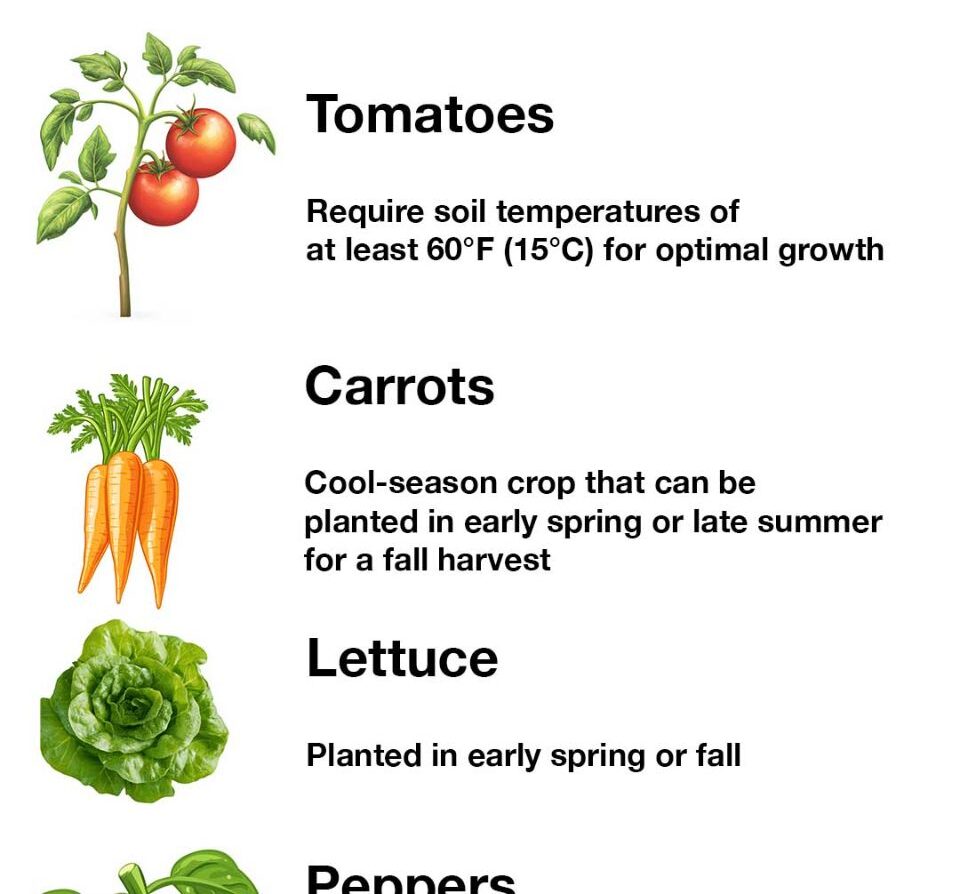
Tomatoes thrive in warm weather and should be planted after the last frost date in your area. They require soil temperatures of at least 60°F (15°C) for optimal growth. Planting tomatoes too early can result in stunted growth or frost damage. By waiting until the soil and air temperatures are consistently warm, you ensure that your tomato plants will grow vigorously and produce abundant fruit.
Optimal Planting Time for Carrots and Their Benefits
Carrots are a cool-season crop that can be planted in early spring or late summer for a fall harvest. They prefer loose, well-drained soil and require consistent moisture for proper root development. Planting carrots at the right time ensures that they mature before the heat of summer or the cold of winter, resulting in sweeter, more tender roots.
Growing Lettuce: Timing and Advantages
Lettuce is a fast-growing, cool-season vegetable that can be planted in early spring or fall. It thrives in temperatures between 60°F and 70°F (15°C to 21°C). Planting lettuce during these cooler periods prevents bolting, which occurs when the plant goes to seed prematurely, resulting in bitter leaves. By timing your lettuce planting correctly, you can enjoy fresh, crisp greens throughout the growing season.
The Best Season for Planting Peppers and Why It Matters
Peppers are warm-season vegetables that require a long growing season and should be planted after the last frost. They need soil temperatures of at least 70°F (21°C) to germinate and grow effectively. Planting peppers at the right time ensures that they have enough time to mature and produce fruit before the first fall frost, maximizing yield and flavor.
see continuation on next page
ADVERTISEMENT
