ADVERTISEMENT
ADVERTISEMENT
While anyone who has had chickenpox can develop shingles, several factors increase the risk:
Age: The risk of developing shingles increases with age, particularly after age 50.
Weakened immune system: Conditions like HIV, cancer, or treatments like chemotherapy or radiation that suppress the immune system can increase the risk.
Medications: Immunosuppressive drugs (such as corticosteroids) can also trigger the reactivation of the virus.
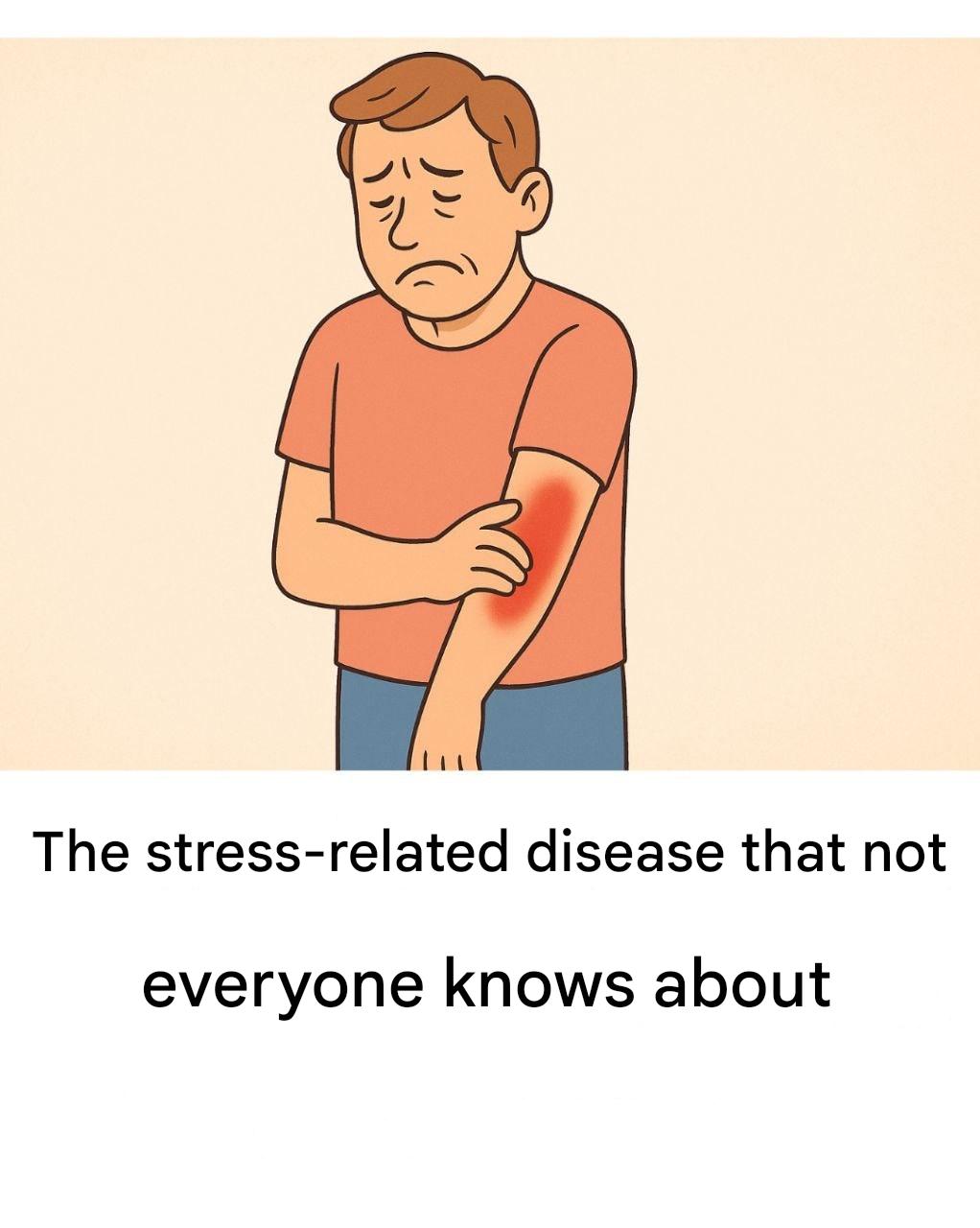
Stress: Emotional or physical stress weakens the immune system and can trigger an outbreak.
Shingles is typically diagnosed by the appearance of the rash. A doctor may also perform blood tests to detect specific antibodies to the varicella-zoster virus to confirm the diagnosis.
While there is no cure for shingles, early treatment can help manage symptoms and reduce the risk of complications. Treatment usually involves:
Antiviral medications (e.g., acyclovir, valacyclovir) to reduce the severity and duration of symptoms.
Pain relievers to manage discomfort.
Anti-inflammatory drugs to reduce swelling and inflammation.
Topical creams or gels to soothe the rash.
There is a vaccine available for shingles, called the Shingrix vaccine, which significantly reduces the risk of developing the disease. Although the vaccine doesn’t provide complete immunity, it is highly effective at reducing the severity and risk of complications if shingles does occur. The vaccine is recommended for people over the age of 50.
In addition to the vaccine, maintaining a strong immune system by managing stress, getting enough rest, and eating a healthy diet can help prevent shingles from developing.
If you suspect you may have shingles, it’s important to see a doctor right away, especially if:
The rash is near the eyes, as it can lead to serious vision problems.
The rash is widespread or causes severe pain.
You have a compromised immune system, are over 60, or have any underlying health conditions.
Shingles is a painful and potentially serious disease that results from the reactivation of the chickenpox virus. Stress and a weakened immune system are major risk factors for its development, and the symptoms can range from a mild rash to severe complications, especially if the eye or ear is involved. Early diagnosis and treatment can help minimize the impact of the disease, and preventive vaccines are available for those at higher risk. If you think you may be at risk, or notice any of the early symptoms, consult a doctor as soon as possible.
ADVERTISEMENT
ADVERTISEMENT
ADVERTISEMENT
