ADVERTISEMENT
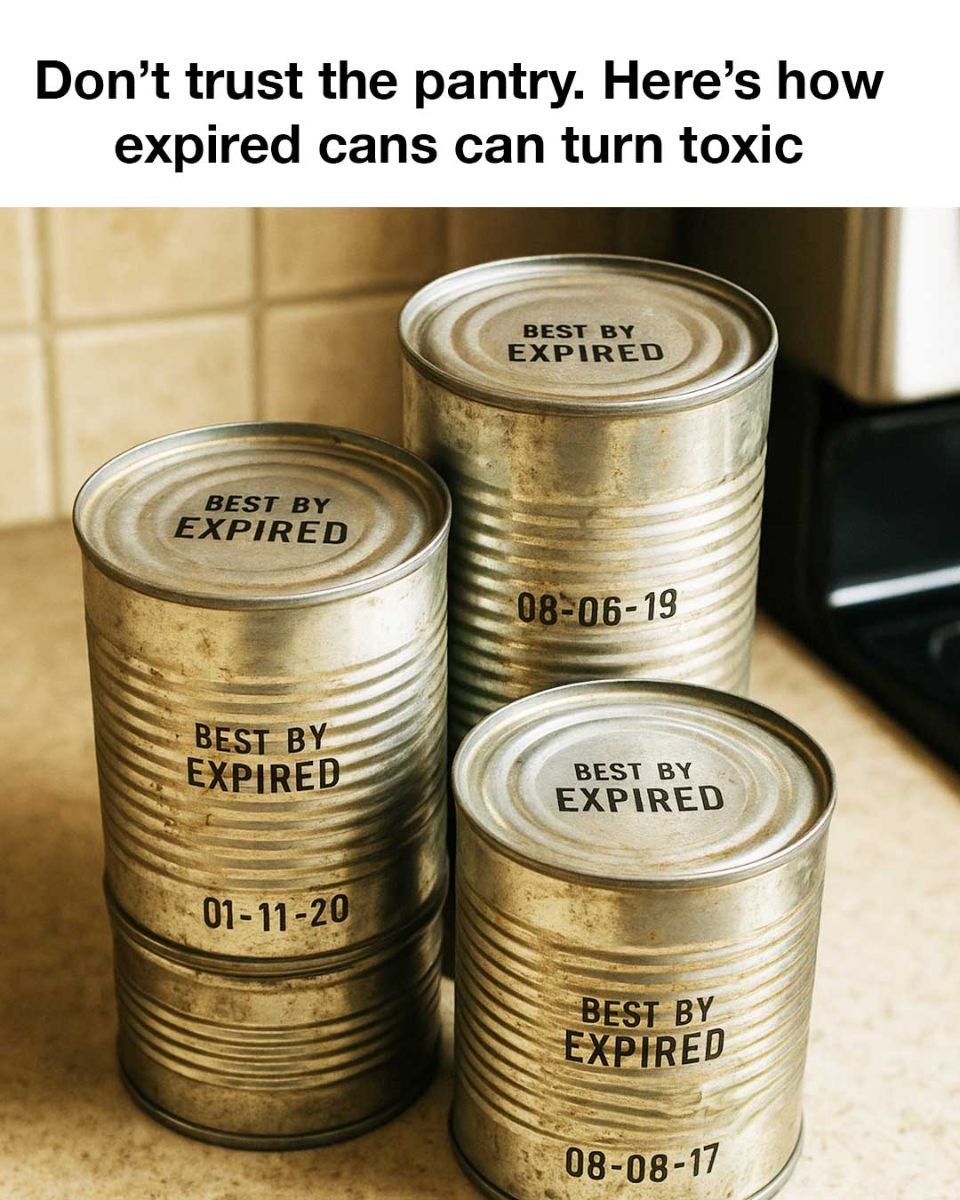
In the rush of everyday life, it’s easy to forget what’s hiding in the back of the pantry—especially canned goods that seem to last forever. But here’s a surprising truth: expired canned foods can become dangerous, even toxic, if overlooked for too long.
While cans are designed for long-term storage, they’re not immune to spoilage. Ignoring expiration dates, storage conditions, or visual warning signs can expose you to serious health risks, including food poisoning and even botulism. This guide breaks down everything you need to know about expired canned goods—and how to stay safe.
1. What Expiration Dates Really Mean
Expiration dates on cans can be misleading. “Best by” dates refer to peak flavor and quality, not safety. “Use by” dates are more important for safety and should be taken seriously.
✅ Tip: High-acid foods (like tomatoes) have a shorter shelf life than low-acid foods (like beans). Always check the label and date before consuming.
2. The Science Behind Spoilage
Canned foods spoil when:
-
The can corrodes, especially from acidic contents
-
Bacteria enter through microscopic cracks or damaged seals
-
Temperature fluctuations cause internal pressure changes
Spoiled cans may leak or swell, creating the perfect environment for harmful microbes.
3. Red Flags: Signs a Can Has Gone Bad
Watch for:
-
Bulging lids or bottoms
-
Rust or corrosion
-
A foul smell when opened
-
Discolored, mushy, or moldy contents
If you spot even one of these signs, toss it. It’s not worth the risk.
4. Health Risks from Expired Canned Goods
Expired or contaminated canned food can cause:
-
Nausea, vomiting, diarrhea
-
Foodborne illness
-
In severe cases, botulism—a rare but deadly neurotoxin exposure that can cause paralysis or death
Don’t take chances. Even small symptoms can escalate.
5. Botulism: The Hidden Killer in Expired Cans
Clostridium botulinum thrives in low-oxygen environments, like a sealed can. This bacteria produces a powerful toxin that:
-
Can’t be seen or smelled
-
Isn’t always killed by cooking
-
Can cause symptoms like blurred vision, slurred speech, and muscle weakness
Even intact cans can be dangerous if expired for too long—especially low-acid foods like corn, potatoes, or meats.
6. How Storage Conditions Affect Canned Food
Safe storage can extend a can’s lifespan. Ideal conditions:
-
Cool and dry (50°F–70°F)
-
Away from heat sources and moisture
-
Not near cleaning supplies, chemicals, or the stove
Moisture causes rust; heat accelerates chemical breakdown. Avoid garages and attics.
7. Myths You Should Ignore
MYTH: If it’s not bulging, it’s fine.
TRUTH: Some bacteria don’t produce gas, so the can might look normal.
MYTH: Boiling expired food makes it safe.
TRUTH: Toxins like botulinum toxin can survive boiling temperatures.
Stick to safe practices, not risky workarounds.
8. Do Viral “Freshness Hacks” Actually Work?
TikTok and YouTube are full of “can freshness tests” like:
-
Tapping the can to hear a hollow sound
-
Weighing the can to detect leakage
These tricks can be misleading. They don’t replace looking for visible signs, checking the expiration date, or using your senses.
9. How to Dispose of Expired or Leaking Cans
see continuation on next page
ADVERTISEMENT
