ADVERTISEMENT
When it comes to cleanliness, more isn’t always better. In fact, over-washing certain items can do more harm than good—damaging materials, shortening lifespans, or even compromising hygiene in some surprising ways.
If you’re constantly scrubbing, soaking, or machine-washing these items “just to be safe,” you might want to rethink your cleaning habits. Here are 10 things most people are over-washing—and what you should do instead.
1. Your Hair
Washing your hair every day might feel refreshing, but it strips away the natural oils that keep your scalp and strands healthy. Over-washing can lead to dryness, irritation, and even more oil production to compensate.
💡 How often to wash: 2–3 times a week for most hair types. Adjust depending on oil levels and activity.
2. Jeans
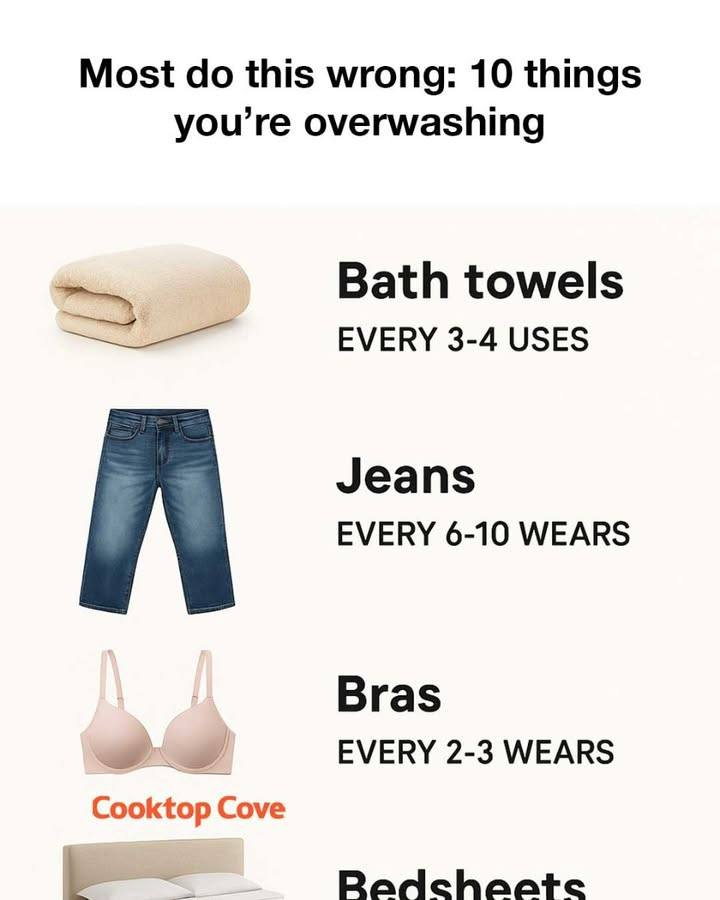
Yes, you read that right. Frequent washing fades color, breaks down fabric, and ruins the fit of your favorite denim. Most experts—including denim designers—recommend spot cleaning or airing out when possible.
💡 How often to wash: Every 4–6 wears, or longer unless visibly dirty.
3. Hands (With Harsh Soaps)
While hand hygiene is crucial, over-washing with harsh antibacterial soap can damage your skin’s protective barrier, leading to dryness, cracks, and increased risk of infection.
💡 What to do: Use gentle soap and moisturize afterward. Save antibacterial soap for situations that truly require it.
4. Your Face
Scrubbing your face multiple times a day may seem like the path to clear skin—but it can backfire. Over-washing strips natural oils, triggers breakouts, and causes irritation.
💡 How often to wash: Morning and night with a gentle cleanser. No more than twice a day unless you’ve been sweating heavily.
5. Bath Towels
Many people throw towels in the laundry after one use, thinking it’s more hygienic. But if they’re properly hung to dry, towels can safely be reused several times.
💡 How often to wash: Every 3–4 uses. Wash more often if damp, musty, or used in a gym setting.
6. Eggs
Washing store-bought eggs at home actually increases the risk of contamination. In the U.S., eggs are washed and sanitized before packaging. Washing them again removes the protective coating and can allow bacteria to enter.
💡 What to do: Don’t wash store-bought eggs. For farm-fresh eggs, only wash right before use.
7. Cast Iron Pans
Scrubbing your cast iron with soap or soaking it in water can strip the seasoning and cause rust. These pans are designed to develop a non-stick coating over time through minimal, gentle cleaning.
💡 What to do: Wipe clean with a damp cloth or scrub lightly with coarse salt and water. Dry completely and re-oil.
8. Delicate Clothing
Lingerie, silks, or hand-knit items often get tossed into the wash too frequently, breaking down fibers and ruining their shape.
💡 What to do: Spot clean when possible. Hand wash every few wears, and air dry flat.
9. Your Car
Washing your car too often—especially with automatic car washes—can wear down the clear coat and scratch the paint over time.
💡 How often to wash: Every two weeks if exposed to harsh elements. Less often if garaged and clean.
10. Produce with Edible Skins (Too Far in Advance)
Washing fruits and vegetables is important, but doing it too early can cause mold or bacteria to grow faster—especially if they’re not dried properly before storage.
💡 What to do: Wash right before eating, not when you unpack your groceries.
Final Thoughts
Cleanliness is important—but so is balance. Over-washing can be wasteful, damaging, and in some cases, less hygienic than you think. By understanding when (and how) to clean the right way, you’ll extend the life of your items, protect your health, and simplify your routine.
ADVERTISEMENT
