ADVERTISEMENT
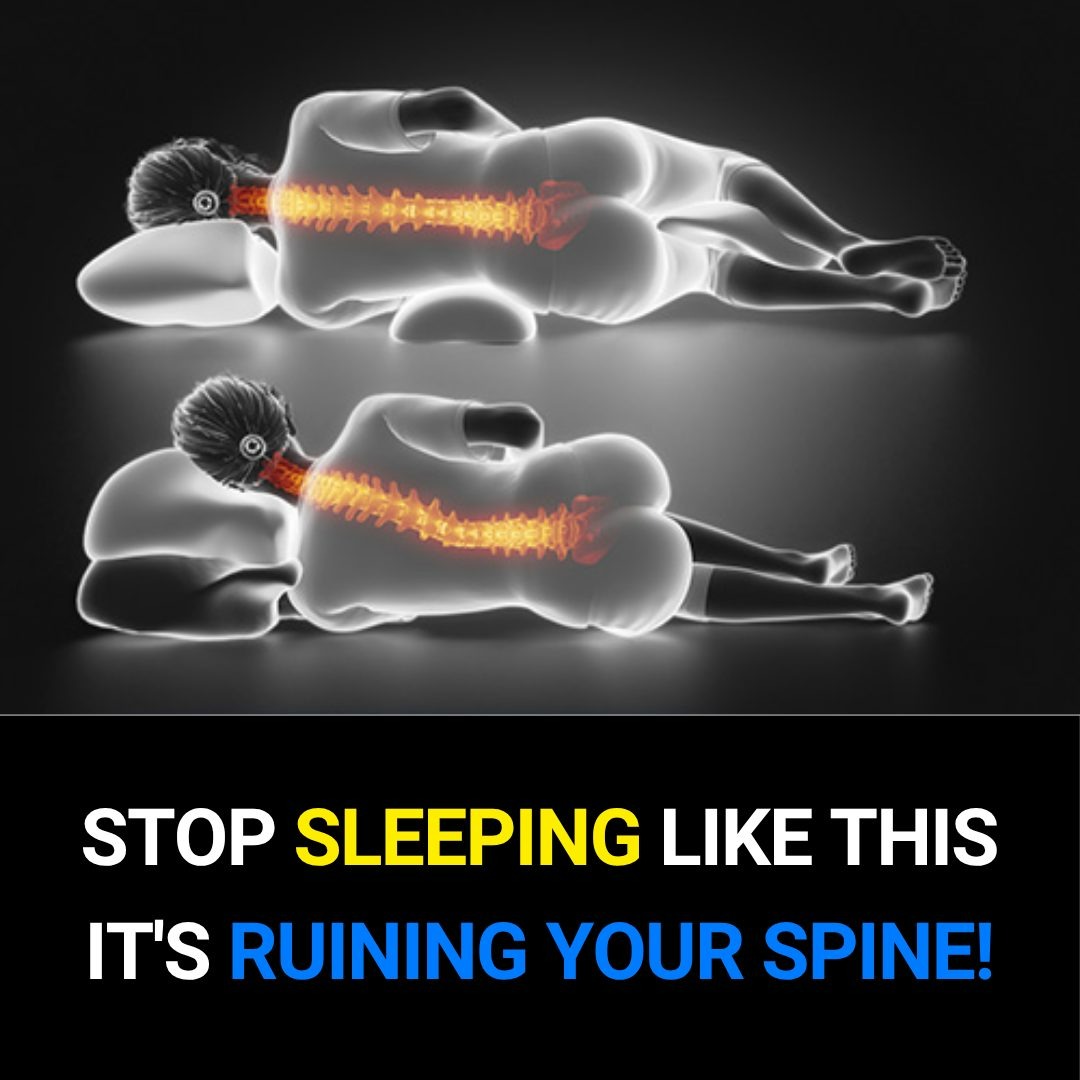
You’ve probably seen the warnings:
“Sleeping on your stomach ruins your back!”
“If you don’t change how you sleep, you’ll damage your spine!”
It’s enough to make anyone anxious about bedtime.
But here’s the truth:
👉 Most sleep positions aren’t “good” or “bad.” What matters is support, comfort, and alignment.
Some positions can contribute to neck or back strain over time — but your body naturally shifts positions dozens of times each night.
Your job isn’t to sleep perfectly… it’s to sleep comfortably and protect your spine where you can.
Let’s break down what science actually says about sleep posture — so you can rest easier, not worry more.
Because true wellness isn’t about perfection.
It’s about small adjustments that add up — one peaceful night at a time. 💤
🔍 How Sleep Affects Your Spine
Your spine has three natural curves:
-
Cervical curve (neck)
-
Thoracic curve (mid-back)
-
Lumbar curve (lower back)
The goal during sleep is simple:
✔️ Keep these curves supported — not flattened or exaggerated.
Poor sleep posture, an unsupportive mattress, or the wrong pillow can lead to:
-
Morning stiffness
-
Neck pain
-
Lower back discomfort
-
Headaches
But importantly:
👉 Occasional morning pain does not mean you’re damaging your spine.
✅ The 3 Main Sleep Positions — Pros & Cons
1. Back Sleeping (Supine)
✔️ Best for natural spinal alignment
✔️ Reduces acid reflux
✔️ Prevents facial wrinkles
❌ May worsen snoring or sleep apnea
Tips:
-
Use a thin pillow so your neck isn’t angled forward
-
Place a small pillow under your knees to support your lower back
📌 Ideal for: Back pain, GERD, people needing even pressure distribution
2. Side Sleeping (Lateral)
✔️ Great for breathing — reduces snoring and sleep apnea
✔️ Most common sleep position (60%+ of adults)
❌ Can cause hip or shoulder pressure
❌ May contribute to facial lines over time
Tips:
-
Keep your spine straight — avoid curling into a tight ball
-
Use a knee pillow for hip alignment
-
Choose a supportive head pillow to keep your neck aligned
📌 Best for: Pregnancy, sleep apnea, snorers, most adults
🌙 Fetal position is fine — just don’t tuck your chin too tightly
3. Stomach Sleeping (Prone)
⚠️ Most challenging for spinal health
-
Forces your neck into rotation
-
Flattens the lumbar curve
✔️ May reduce snoring
❌ Higher risk of neck + lower back strain
If you must sleep on your stomach:
-
Use a very thin pillow or none
-
Place a thin pillow under your pelvis to reduce low-back pressure
📌 Not ideal, but change is gradual — aim for small improvements.
🛠️ How to Support Your Spine While You Sleep
see continuation on next page
