ADVERTISEMENT
Have you ever heard a sound — a ringing, buzzing, hissing, or humming — but realized no one else could hear it?
You’re not imagining it.
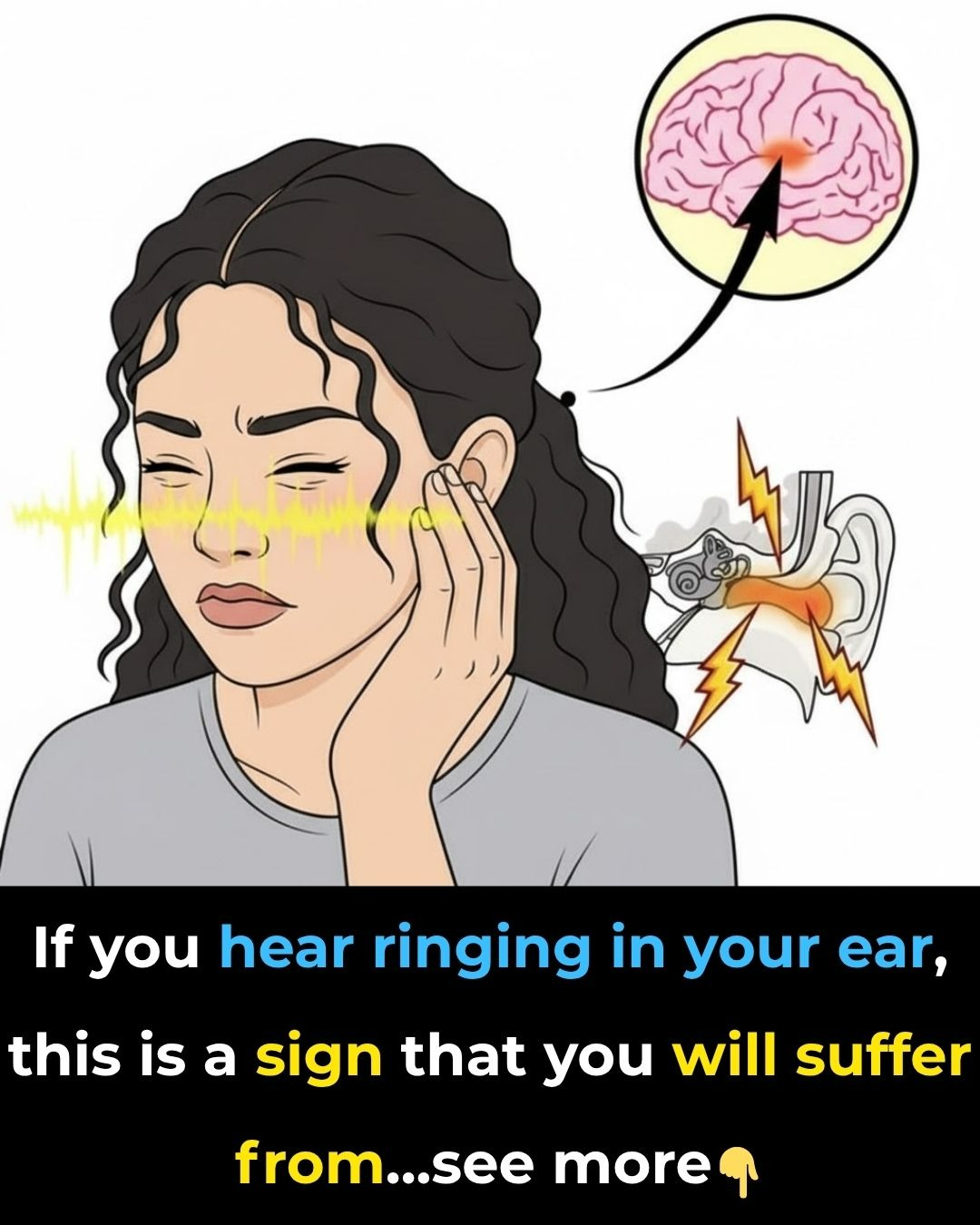
You may be experiencing tinnitus — the perception of sound when no external noise is present.
It affects over 50 million Americans, from young adults to seniors. And while it’s rarely a sign of something life-threatening, persistent tinnitus can disrupt sleep, concentration, and emotional well-being.
Let’s explore what tinnitus really is, what causes it, and when it’s time to seek professional help — so you can respond with clarity, not fear.
Because real peace isn’t about silence.
It’s about understanding what’s happening inside your ears — and knowing how to find relief.
🔍 What Is Tinnitus?
Tinnitus (pronounced TIN-uh-tus or TIN-i-tus) is the sensation of hearing sound — like ringing, buzzing, clicking, or roaring — that comes from within the body, not the outside world.
✅ Affects about 1 in 8 people globally
✅ Most common in adults over 40, but rising among younger generations due to headphone use
✅ Often linked to hearing changes — though it can occur with normal hearing
✅ Not a disease — it’s a symptom of an underlying condition
📌 Think of it as a “phantom sound” — your brain’s response to changes in the auditory system.
🧠 Common Causes of Tinnitus
1. Noise-Induced Hearing Loss
One of the most common causes.
Repeated exposure to loud sounds — concerts, power tools, or headphones — can damage the delicate hair cells in the inner ear.
When these cells are injured, the brain may “fill in the gaps” by creating phantom sounds.
✅ Prevention Tip: Use ear protection and follow the 60/60 rule (listen at 60% volume for no more than 60 minutes at a time).
2. Age-Related Hearing Loss (Presbycusis)
As we age, hearing sensitivity gradually decreases — especially for high-pitched sounds.
Tinnitus often develops alongside this natural decline.
3. Earwax Blockage
Impacted earwax can cause pressure, hearing loss, and ringing.
This is easily treated by a healthcare provider.
🩺 Never insert cotton swabs — they push wax deeper and risk injury.
4. Head, Neck, or Jaw Issues
Conditions like TMJ disorders, whiplash, or muscle tension in the neck can affect nerves connected to the auditory system, sometimes triggering pulsatile tinnitus (a rhythmic whooshing in sync with your heartbeat).
5. Ototoxic Medications (Hearing-Damaging Drugs)
Some medications can cause or worsen tinnitus, including:
-
High-dose aspirin
-
Certain antibiotics (e.g., gentamicin)
-
Some diuretics and chemotherapy drugs
📌 Always ask your doctor or pharmacist about potential side effects.
6. Underlying Health Conditions
-
High blood pressure — increases inner ear blood flow, sometimes worsening pulsatile tinnitus
-
Ménière’s disease — inner ear disorder with vertigo, hearing loss, and ringing
-
Anxiety & depression — can heighten awareness of tinnitus
-
Thyroid disorders — hormonal changes may play a role
❌ Debunking the Myths
-
“Ringing means you’re going deaf.”
Not necessarily — many people with tinnitus have normal or only mild hearing loss. -
“Only older adults get tinnitus.”
False — teens and young adults are increasingly affected due to loud music and earbuds. -
“It’s all in your head.”
Not true — tinnitus has real neurological and auditory causes. -
“Ignoring it will make it go away.”
For some, it fades; for others, it persists. Learning to manage it is key.
✅ What You Can Do to Manage Tinnitus
see continuation on next page
ADVERTISEMENT
