ADVERTISEMENT
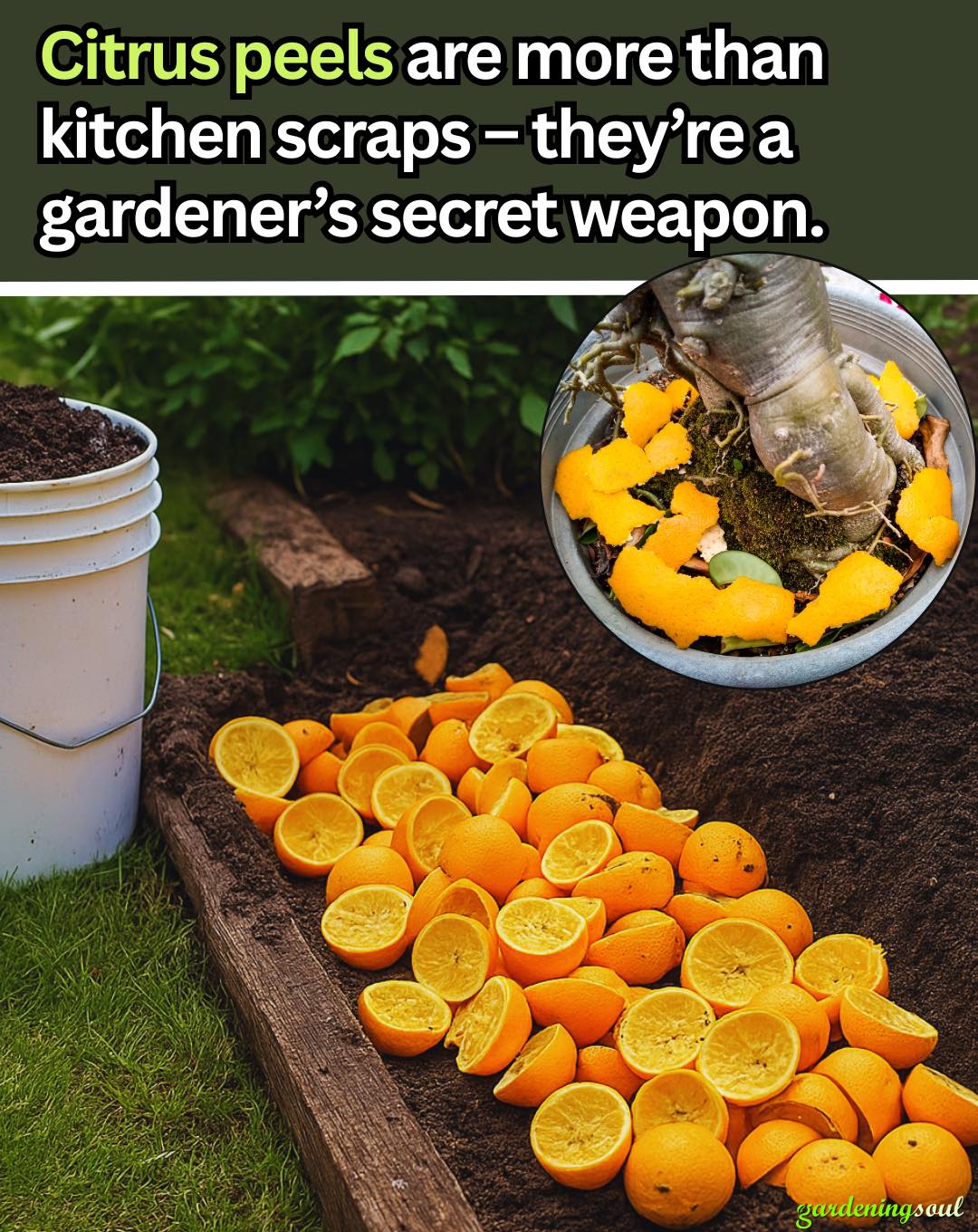
Citrus fruits like oranges, lemons, limes, and grapefruits are household staples – but did you know that the peels you usually toss can be incredibly valuable in your garden?
Citrus peels are packed with natural oils, nutrients, and compounds that can benefit your plants, soil, and even protect your garden from pests.
From natural fertilizers to organic pest deterrents, citrus peels offer countless eco-friendly gardening solutions.
Instead of throwing citrus peels into the trash, consider giving them a second life in your backyard.
In this comprehensive guide, you’ll learn the 15 most useful citrus peel uses in the garden – practical, sustainable tips that turn kitchen waste into garden gold.
Why Citrus Peels Are So Useful in the Garden
Citrus peels are more than just aromatic byproducts of your favorite fruits.
Here’s what makes them so powerful for gardening:
- High in nitrogen, phosphorus, potassium, and calcium
- Contain essential oils with insect-repelling properties
- Naturally acidic – helpful in balancing soil pH
- Biodegradable and compost-friendly
- Have antifungal and antibacterial properties
With these natural features, citrus peels can serve as fertilizer, mulch, compost enhancer, pest repellent, seed starter, and more.
1. Natural Pest Repellent
Citrus peels are rich in limonene, a natural compound that repels many common garden pests such as: Aphids, Ants, Mosquitoes, Slugs, Flies, Whiteflies.
How to use: Scatter chopped citrus peels around the base of plants prone to pest attacks. You can also rub the inside of the peel directly on leaves or stems to create a natural repelling barrier.
Replace the peels every few days for best results.
2. Compost Booster
Citrus peels are high in nitrogen, making them an excellent addition to your compost pile. They balance the carbon-heavy “browns” (like dried leaves or paper) with their nitrogen-rich content, helping decomposition move faster.
Tips:
- Chop or shred the peels to speed up breakdown.
- Avoid adding too many at once – they can slow composting if overused.
- Mix well with other organic materials to avoid strong acidity.
3. Soil pH Adjuster (Acidifier)
If you grow acid-loving plants such as blueberries, azaleas, hydrangeas, or rhododendrons, citrus peels can help lower the soil pH naturally.
How to use: Dry the citrus peels, grind them into a powder, and sprinkle a thin layer over the soil. Repeat monthly during the growing season for best effect.
4. Homemade Citrus Peel Fertilizer
Citrus peels contain potassium, phosphorus, and magnesium – vital nutrients for plant growth.
How to make citrus peel fertilizer:
- Dry citrus peels completely.
- Grind them into a fine powder.
- Mix with equal parts crushed eggshells or coffee grounds.
- Sprinkle around your plants or mix into the soil.
This slow-release fertilizer is especially beneficial for flowering and fruiting plants.
5. Keep Cats Out of the Garden
Citrus scents are unpleasant to cats, making them a simple, non-toxic deterrent.
How to use: Scatter fresh citrus peels around the areas cats frequent, such as flowerbeds or seedlings. Replace every few days or after rain.
It’s a humane way to prevent digging, scratching, and litter box behavior in your garden beds.
6. Ant Repellent for Garden and Greenhouse
Ants hate citrus. The peels disrupt their scent trails and confuse their navigational systems.
How to use: Place orange or lemon peels along ant trails or near mounds. You can also boil citrus peels in water, let it cool, and spray it around ant-prone areas.
This works both outdoors and inside greenhouses or sheds.
7. Slug and Snail Trap
Slugs and snails are attracted to citrus peels but will get trapped if placed strategically.
How to make a slug trap:
- Place a halved orange or grapefruit peel face-down in the garden.
- Check it in the morning – you’ll often find slugs hiding inside.
- Remove the peel and discard the pests.
Repeat nightly to reduce populations without chemicals.
8. Start Seeds in Citrus Halves
Citrus peels can act as biodegradable seed starting pots.
How to do it:
- Scoop out the fruit, leaving the rind intact.
- Poke a small drainage hole in the bottom.
- Fill with potting soil and sow your seeds.
- Once the seedling is established, transplant the entire peel and seedling into the garden.
As the peel decomposes, it nourishes the soil and roots.
9. Make a Citrus Peel Insect Spray
Harness the pest-fighting power of citrus in a liquid spray.
How to make it:
- Simmer peels from 2–3 citrus fruits in 2 cups of water for 15–20 minutes.
- Let it cool, strain, and pour into a spray bottle.
- Add a teaspoon of mild dish soap.
Spray on the leaves of affected plants to deter aphids, mites, and other soft-bodied insects.
10. Create a DIY Citrus Peel Mulch
Dried and shredded citrus peels make a bright, fragrant, biodegradable mulch.
Benefits of citrus peel mulch: Retains soil moisture, Repels pests, Adds nutrients to the soil as it breaks down.
Dry the peels in the sun or oven, chop finely, and spread a thin layer around your plants. Avoid piling them too high to prevent mold.
11. Add Citrus Peels to Worm Bins (in Moderation)
Worms in vermicomposting bins can handle small amounts of citrus, which adds diversity to their diet.
Tips:
- Use in small quantities – too much can increase acidity.
- Mix with paper, cardboard, or brown leaves.
- Avoid adding spicy citrus like lime in high volume.
Peels also help reduce odor in worm bins and act as a mild antibacterial agent.
12. DIY Citrus Enzyme Cleaner for Garden Tools
see continuation on next page
ADVERTISEMENT
