ADVERTISEMENT
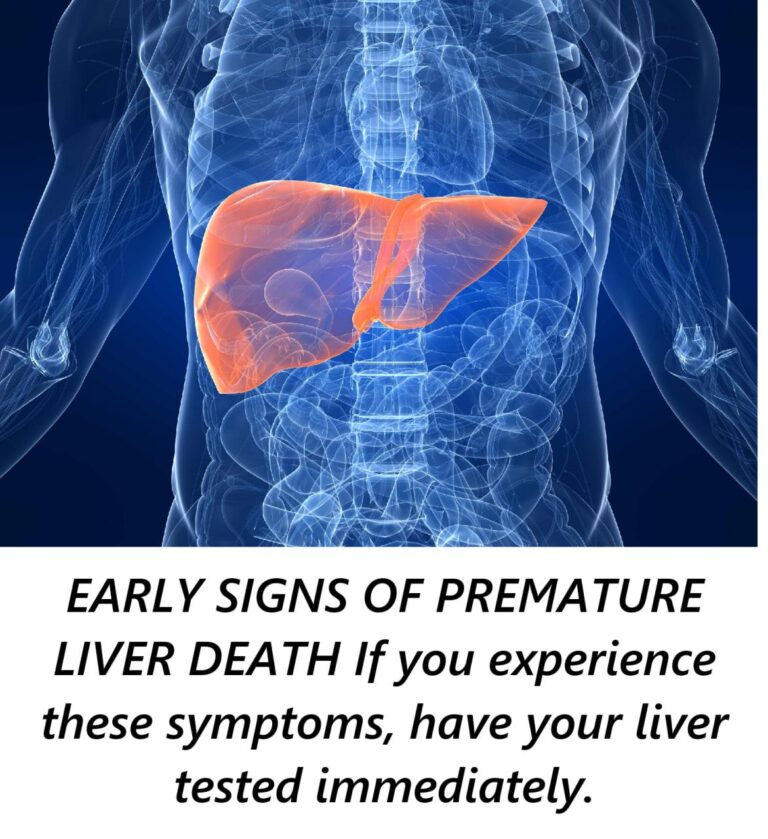
The liver is the body’s silent worker. It filters toxins, stores nutrients, aids digestion, and supports the immune system. But when cirrhosis develops, its ability to perform these vital functions gradually weakens. The scariest part? Many people don’t realize there’s a problem until it’s too late.
Cirrhosis occurs when healthy liver tissue is replaced by scar tissue, usually after long-term damage caused by alcohol abuse, chronic hepatitis, or fatty liver disease. Early detection is crucial for treatment and survival.
What Is Cirrhosis?
Imagine your liver as a sponge — supple, vibrant, and efficient at filtering everything that passes through it. Now imagine it turning into a hard, scarred piece of rock. That’s cirrhosis. Scar tissue blocks blood flow, hinders detoxification, and, if untreated, can lead to liver failure.
The problem? This transformation often goes unnoticed because early symptoms seem unrelated or are easily ignored.
12 Hidden Warning Signs of Cirrhosis
1. Fatigue and Weakness
Do you feel constantly exhausted, even with enough rest? When the liver is under stress, it can’t regulate energy properly, leaving you tired and weak.
2. Loss of Appetite
Do you skip meals or feel full after just a few bites? Impaired liver function can interfere with nutrient absorption and digestion.
3. Nausea or Vomiting
Frequent nausea not linked to food poisoning or stomach flu may indicate a buildup of toxins in your bloodstream.
4. Unexplained Weight Loss
Losing weight without changing your diet or activity level can be a sign of poor nutrient absorption due to liver dysfunction.
5. Abdominal Pain or Bloating
Discomfort or pain in the upper right side of your abdomen may signal liver inflammation. As cirrhosis progresses, it can cause ascites—a buildup of fluid in the abdomen.
6. Jaundice (Yellowing of the Skin or Eyes)
6. Jaundice (Yellowing of the Skin or Eyes)
When the liver fails to process bilirubin properly, it accumulates, turning the skin and eyes yellow — a clear warning sign of liver trouble.
7. Persistent Itching
Ongoing itching without a visible rash may be caused by bile salts accumulating under the skin.
8. Dark Urine and Pale Stools
Unusually dark urine or pale, clay-colored stools often indicate a problem with bile flow.
9. Easy Bruising or Bleeding
If you bruise easily or bleed from small cuts, your liver may not be producing enough clotting factors.
10. Swelling in the Feet and Ankles
Fluid retention (edema) in the lower limbs can occur due to changes in blood flow and fluid balance caused by liver dysfunction.
11. Confusion and Memory Problems
11. Confusion and Memory Problems
When toxins reach the brain, hepatic encephalopathy can occur, leading to confusion, “brain fog,” and even personality changes.
12. Spider-Like Veins on the Skin
Small red veins that spread like spider webs across the face, chest, or neck may indicate hormonal imbalances linked to liver damage.
When Should You Worry?
If you experience even a few of these symptoms together, don’t ignore them or blame stress or aging. See a doctor and request liver function tests. The earlier cirrhosis is detected, the more can be done to stop — or even partially reverse — the damage.
Who Is at Risk?
Anyone can develop cirrhosis, but certain people are more vulnerable:
- Heavy alcohol consumers
- People with hepatitis B or C
- Patients with fatty liver disease (hepatic steatosis)
- Individuals with metabolic or autoimmune liver disorders
- Those exposed to toxic chemicals or long-term use of liver-damaging medications
How to Protect Your Liver Before It’s Too Late
- Reduce or eliminate alcohol consumption.
- Eat a balanced diet: less saturated fat, more fruits, vegetables, and whole grains.
- Exercise regularly and maintain a healthy weight.
- Get vaccinated against hepatitis A and B.
- Monitor your liver function if you take potentially hepatotoxic (liver-damaging) medications.
Conclusion
Cirrhosis isn’t inevitable. It often begins quietly, with subtle symptoms like fatigue, nausea, brain fog, or swelling. These are your body’s early warning signs. Detecting them early gives you options — lifestyle changes, medical treatment, and the chance to halt the damage.
If you feel something is “off,” don’t ignore it. Your liver may be trying to tell you something important. Listen before it’s too late.
ADVERTISEMENT
