ADVERTISEMENT
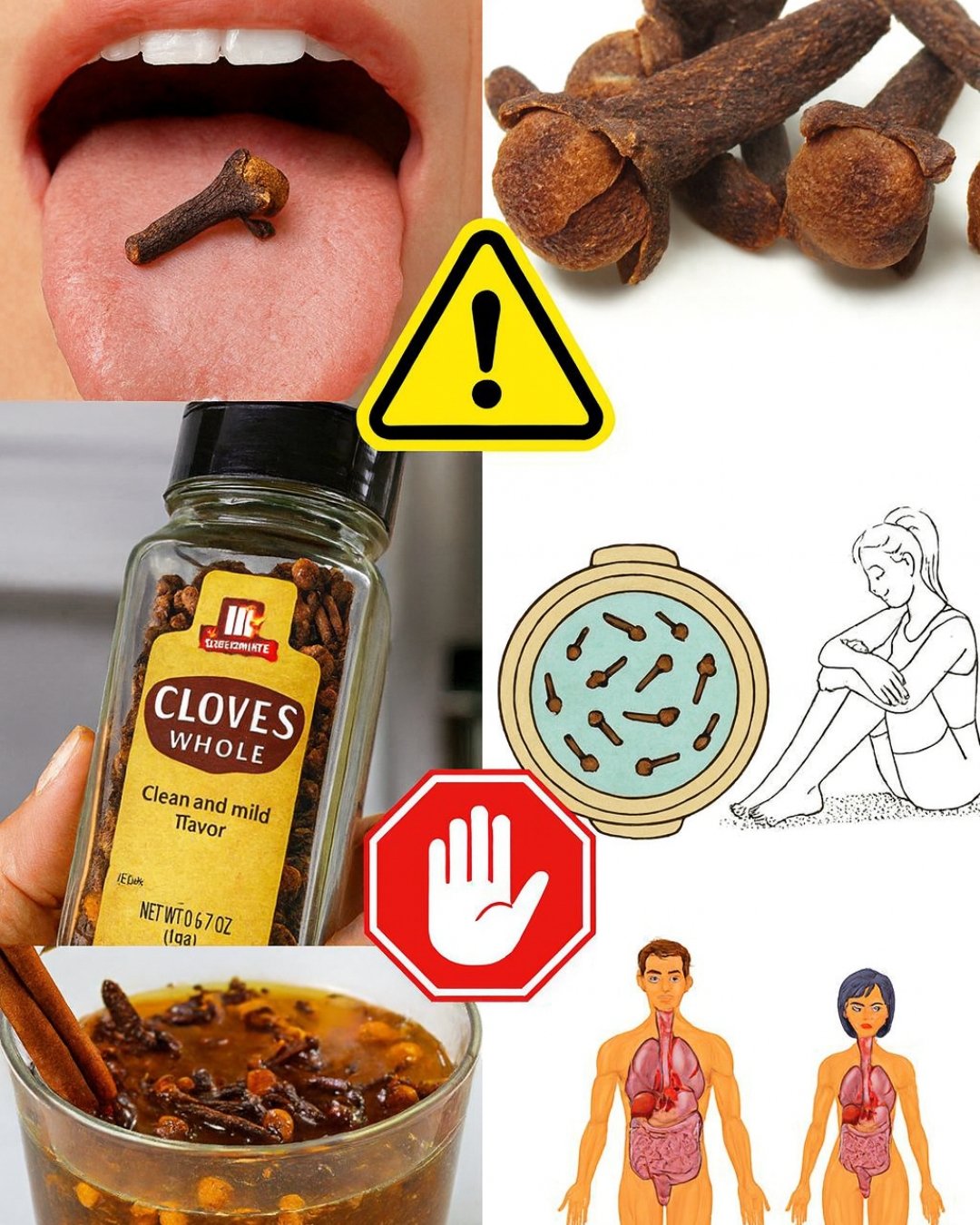
Contraindications of Cloves — Who Should NOT Consume Them and Why
Cloves (Syzygium aromaticum) are widely praised for their antibacterial, anti‑inflammatory, and digestive properties. They are used in teas, tinctures, oils, and culinary recipes around the world.
But despite their impressive benefits, cloves are not safe for everyone. In certain conditions, they can irritate the stomach, thin the blood, or interfere with medications. Understanding the contraindications is just as important as knowing the health benefits.
Below is a complete, medically accurate guide outlining who should avoid cloves, why, and what risks they may face.
🌿 Contraindications of Cloves — Who Should Avoid Them and Why
1. People With Stomach Ulcers or Gastritis
Cloves—especially clove oil—can irritate the stomach lining.
They stimulate stomach acid production, which is beneficial for digestion but dangerous if you already have inflammation.
Why Avoid Them:
- Can worsen gastric pain
- May trigger burning sensations
- Increases acidity
- May delay ulcer healing
Forms to Avoid:
Clove oil, raw cloves, clove tea on an empty stomach.
2. Individuals With Bleeding Disorders
Cloves contain eugenol, a compound that naturally thins the blood.
Why Avoid Them:
- Increases risk of bleeding
- Can cause nosebleeds
- May worsen bruising
- Dangerous before and after surgery
Do NOT use cloves if you have:
- Hemophilia
- Thrombocytopenia
- Von Willebrand disease
- Any condition where clotting is impaired
3. People Taking Blood-Thinning Medication
If you take anticoagulants, cloves can interact dangerously.
Risky Drug Combinations:
- Warfarin
- Aspirin
- Clopidogrel (Plavix)
- Heparin
Possible Consequences:
- Excessive bleeding
- Internal hemorrhage
- Blood in urine or stool
- Prolonged bleeding from small cuts
Never combine cloves and blood thinners without medical supervision.
4. Pregnant Women (Especially in Early Pregnancy)
Cloves in culinary amounts are safe, but high doses (tea, oil, supplements) may stimulate uterine contractions.
Why Avoid Them:
- Potential risk of miscarriage during first trimester
- Can irritate gastrointestinal tract, causing nausea
- Clove oil absorbed through skin may affect fetal development
Safe Only In:
Very small culinary amounts.
5. Women Who Are Breastfeeding
Clove oil and strong clove extracts can alter the taste of breast milk and may cause stomach irritation in infants.
Why Avoid Them:
- Can cause fussiness or colic in babies
- Possible allergic reactions
- No safety studies for high-dose clove consumption
6. Children Under 12 Years Old
Clove oil is extremely potent and can be toxic for children.
Risks Include:
- Burning of the mouth and throat
- Seizures
- Liver damage
- Breathing difficulties
Children should never consume clove oil or concentrated clove remedies.
7. Individuals With Liver Disease
High doses of cloves (especially the oil) may stress the liver because eugenol is metabolized through liver enzymes.
Why Avoid Them:
- Can worsen fatty liver
- May elevate liver enzymes
- Potential liver toxicity in high doses
8. People With Low Blood Sugar (Hypoglycemia)
Cloves naturally lower blood sugar, which is beneficial for diabetics—but risky for those with hypoglycemia.
Possible Symptoms:
- Dizziness
- Sweating
- Shaking
- Fainting
If you are hypoglycemic or take insulin, cloves can push glucose levels dangerously low.
9. Anyone With an Allergy to Cloves or Eugenol
Symptoms can appear immediately or within hours of use.
Allergic reactions include:
- Skin rash
- Swelling of lips or tongue
- Difficulty breathing
- Hives
- Palpitations
If you’ve ever reacted to cinnamon, nutmeg, or bay leaves, you may also be sensitive to cloves.
10. People With GERD or Chronic Acid Reflux
Cloves increase acid secretion in the stomach.
Why Avoid Them:
- Can worsen heartburn
- Causes burning sensation in the chest
- May irritate esophagus
Clove tea and raw cloves are especially problematic.
⚠️ Forms of Cloves That Are Most Dangerous
While culinary use is mild, these forms require caution:
❌ Clove essential oil (internal use)
The most risky — highly concentrated and can damage tissues.
❌ Clove tinctures
High alcohol + strong extraction = irritation risk.
❌ Clove supplements (capsules)
Often overdosed; not recommended without medical supervision.
❌ Raw cloves eaten in large amounts
Can irritate mouth, throat, stomach.
✅ Who CAN Use Cloves Safely?
- Adults in good health
- People using cloves in small culinary amounts
- Those without liver disease, ulcers, bleeding disorders, or medications that interact
Clove tea 1–2x per week is generally safe for healthy adults.
Cloves are powerful—so powerful that they must be used carefully.
Just because a remedy is natural doesn’t mean it is harmless.
Understanding who should avoid cloves protects you from dangerous side effects and ensures these spices are used safely and effectively.
🛑 Disclaimer
This article is for informational purposes only and is not medical advice. Always consult a qualified healthcare professional before using cloves therapeutically, especially if you have medical conditions, are pregnant, breastfeeding, or taking medication.
ADVERTISEMENT
