ADVERTISEMENT
Those little fleshy bumps on your neck, underarms, or eyelids can drive you crazy—they catch on jewelry, rub against clothing, and make you feel self-conscious every time you catch them in the mirror. You’ve probably scrolled past dozens of posts swearing that a single clove of garlic will make them disappear overnight, but then you hesitate… because what if it burns or leaves a worse mark? Keep reading, because by the end of this guide you’ll know exactly what’s fact, what’s myth, and the one surprising thing most articles never tell you.
What Exactly Are Skin Tags?
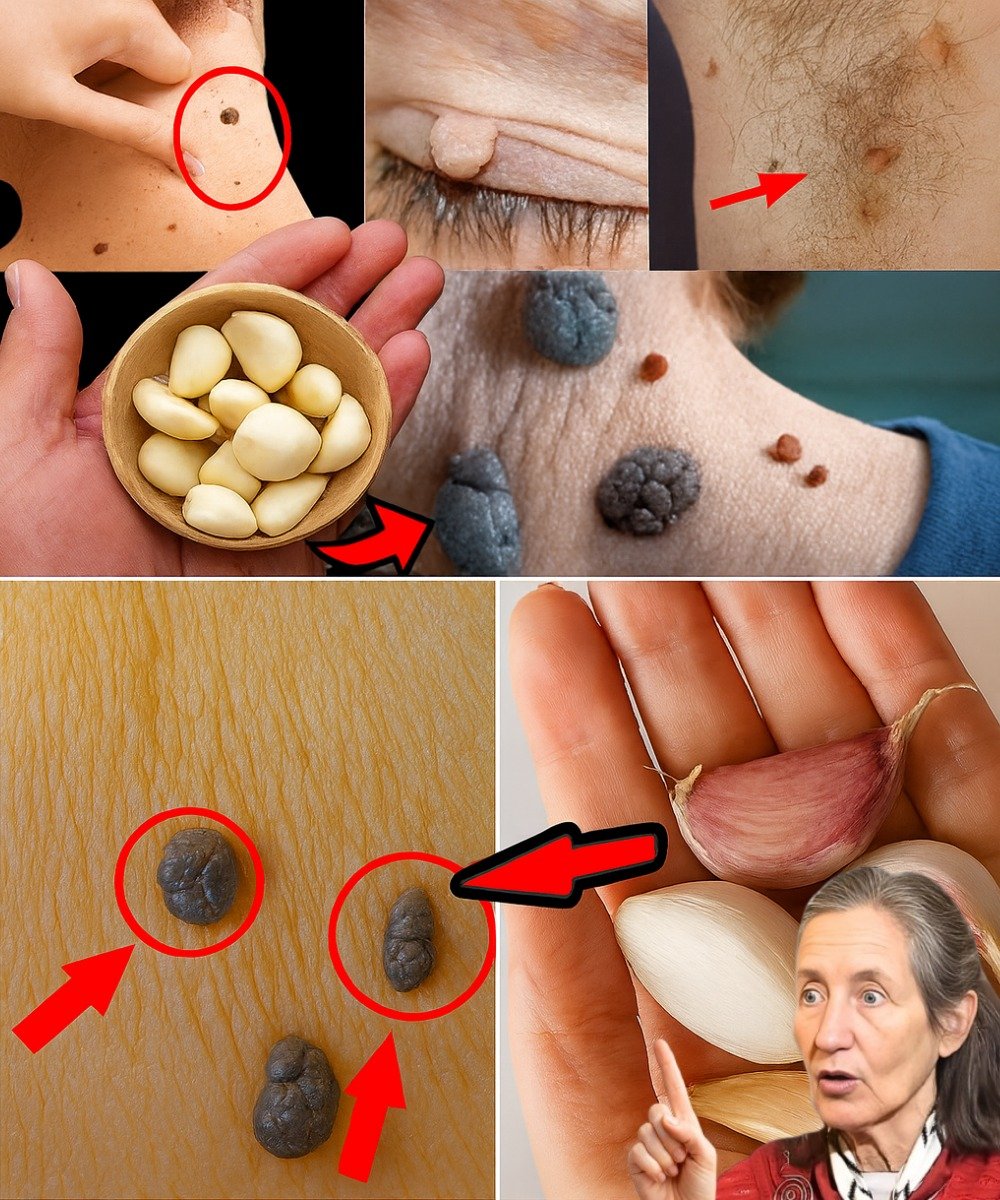
Skin tags, also called acrochordons, are small, soft, benign growths that hang off the skin by a thin stalk. They love warm, moist areas where skin rubs together:
- Neck
- Armpits
- Groin
- Under the breasts
- Eyelids
They’re completely harmless—most are smaller than a grain of rice—but they can get irritated or simply bother people cosmetically.
Research shows they become more common with age, during pregnancy, and in people with overweight or insulin resistance. The good news? They’re not cancerous and rarely turn into anything serious.
Why Is Garlic Suddenly Everywhere for Skin Tags?
Garlic contains allicin—a sulfur compound released when a clove is crushed. This compound has natural antimicrobial and anti-inflammatory properties, which is why it’s been used in folk medicine for centuries.
On TikTok and Pinterest, people claim that allicin “dries out” the skin tag until it falls off on its own. The idea sounds simple and cheap, so it spreads like wildfire.
But here’s the truth: while allicin is powerful, there are no high-quality clinical studies proving garlic removes skin tags. Most success stories are anecdotal.
How People Usually Apply Garlic at Home
If someone decides to try it anyway, the method you’ll see repeated online is pretty consistent:
- Wash the area gently with mild soap and water.
- Take one fresh garlic clove and crush it into a paste.
- Apply a tiny amount directly onto the skin tag (avoid healthy skin).
- Cover with a bandage or medical tape.
- Leave it on for 2–8 hours (some say overnight).
- Rinse thoroughly and repeat daily until the tag darkens and drops off.
Sounds straightforward, right?
But that’s where things get tricky…
The Real Risks Most People Don’t Talk About
Raw garlic is highly acidic and caustic. Dermatologists regularly see patients who tried the garlic trick and ended up with:
- Red, angry chemical burns
- Blisters or peeling skin
- Dark marks (post-inflammatory hyperpigmentation) that last months
- Severe stinging, especially on the eyelids or groin
A 2018 case report in Dermatitis described second-degree burns from overnight garlic application—on the face.
The thinner your skin, the higher the risk. Eyelids and private areas are absolute no-go zones.
Are There Any Actual Benefits to Putting Garlic on Your Skin?
Yes—but they’re modest and general:
 Strong antioxidant effects that may protect skin cells
Natural antibacterial action that keeps the area cleaner
Mild exfoliating properties from its sulfur compounds
These benefits are real, but they don’t automatically mean your skin tag will vanish.
Safer Natural Options People Actually Use
If you still want to try something at home, these are gentler alternatives readers often report better tolerance for:
- Tea tree oil (always diluted with a carrier oil)
- Apple cider vinegar (diluted 1:1 with water, applied with a cotton bud)
- Over-the-counter skin-tag patches or solutions with salicylic acid
Even with these, patch-test first on your inner arm for 24 hours.
The Fastest, Safest Way: See a Dermatologist
Here’s what actually happens in a doctor’s office (takes 2–10 minutes):
| Method | How It Works | Pain Level | Scarring Risk |
|---|---|---|---|
| Snip excision | Tiny scissors + local anesthetic | Almost none | Very low |
| Cryotherapy | Freezing with liquid nitrogen | Slight sting | Minimal |
| Electrocautery | Tiny electric current | Mild warmth | Minimal |
Cost is usually $100–300 for several tags, often covered by insurance if the tag is irritated or bleeding.
Red Flags: When You Should Skip DIY Completely
Book an appointment immediately if your growth:
- Changes color or shape
- Bleeds without reason
- Grows quickly
- Looks dark, warty, or irregular
- Is painful or itchy
Some viral “skin tag” photos are actually moles, warts, or seborrheic keratosis—things you should never treat at home.
Actionable Tips You Can Use Tonight
- Start with the safest test: Dab a tiny bit of crushed garlic on your inner forearm. Wait 24 hours. No reaction? Proceed with extreme caution.
- Protect surrounding skin with petroleum jelly before applying anything acidic.
- Never leave garlic (or any remedy) on overnight the first time.
- Take before-and-after photos so you can track changes objectively.
- Stop immediately if you feel burning or see blisters.
Final Thoughts
Garlic is a kitchen staple with impressive natural properties, and some people do swear it helped their skin tags fall off. But the risk of irritation, burns, and pigmentation is very real—especially on sensitive areas.
If you have just one or two tiny tags on your neck and you’re willing to accept the risk, a cautious trial might be reasonable. For anything on your face, eyelids, or groin—or if you simply want guaranteed results without scars—professional removal is still the gold standard.
Whatever you choose, listen to your skin. It will tell you quickly if something is too harsh.
Frequently Asked Questions
Can garlic remove skin tags in one night?
No reliable evidence supports overnight removal. Most anecdotal reports mention 3–10 days—if it works at all.
Is it safe to use garlic on skin tags near the eyes?
Absolutely not. The risk of chemical burns and vision damage is too high.
Will a skin tag grow back after using garlic?
If the entire stalk isn’t destroyed, yes, it can regrow. Professional methods have much lower recurrence rates.
Disclaimer: This article is for informational purposes only and is not medical advice. Always consult a board-certified dermatologist or healthcare professional before trying home remedies, especially on the face or sensitive areas.
ADVERTISEMENT
