ADVERTISEMENT
Vertical Lines on Your Nails After 40: A Warning Sign You Shouldn’t Ignore
Small changes in your nails can reveal a lot about what’s happening inside your body. As we age, many people start noticing vertical lines running from the base to the tip of their nails, especially after turning 40.
Although these lines are often harmless, they can raise questions about their cause and when they might signal a health issue. Understanding these changes helps you distinguish between normal aging and signs that deserve medical attention.
What Are Vertical Lines on Nails?
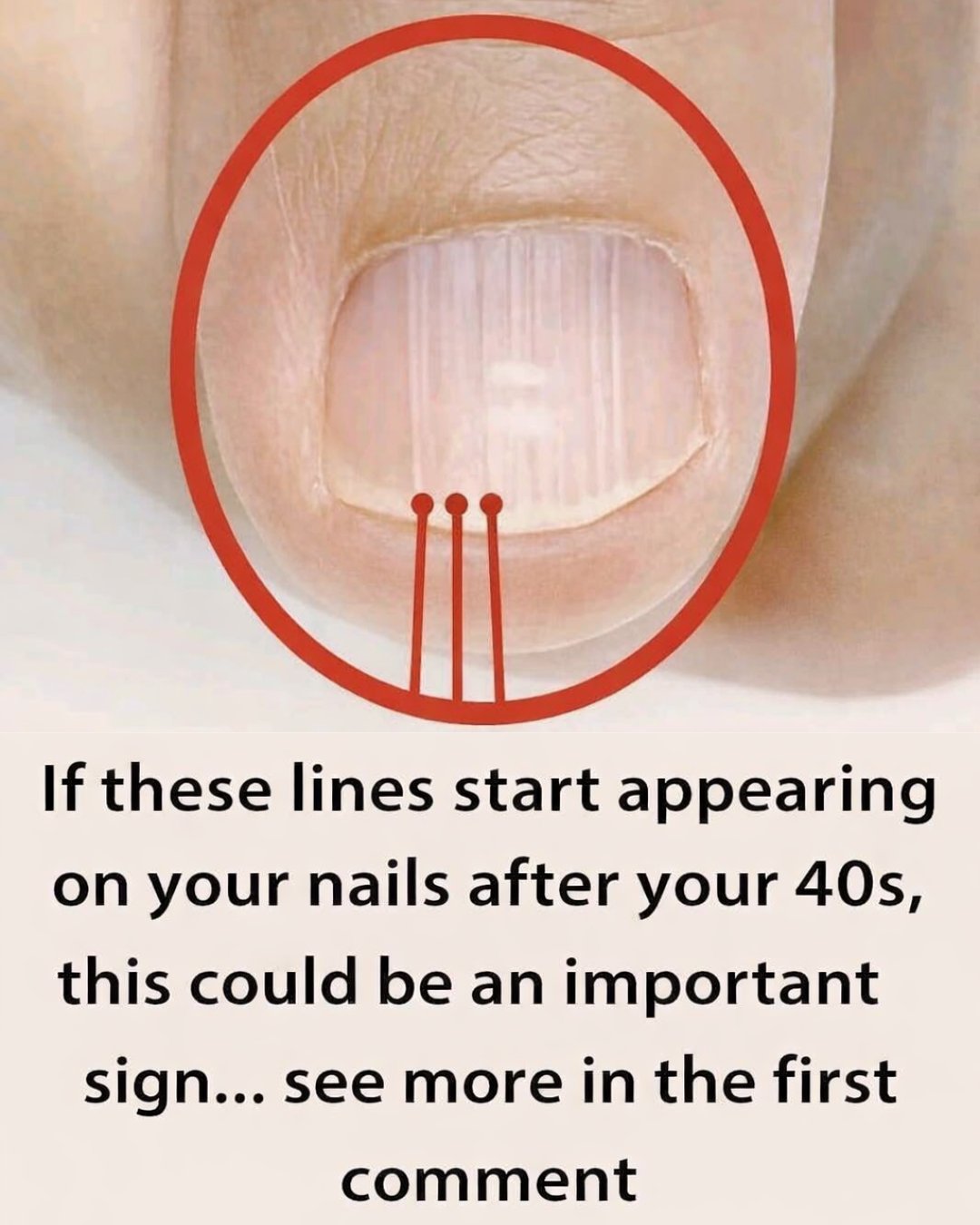
Vertical nail lines, also known as longitudinal ridges, are subtle grooves or raised lines that extend from the cuticle to the nail’s edge. Their depth and visibility can vary, and they often become more noticeable with age.
Just like skin loses elasticity and hair changes texture over time, nails also undergo structural changes. One key factor is keratin, the protein responsible for nail strength and growth. As we get older, keratin production can slow down or become uneven, making these ridges more visible.
Main Causes of Vertical Nail Ridges After 40
1. Natural Aging Process
The most common cause is simply aging. Cell regeneration slows down, including in the nail matrix where nails are formed. This slower renewal can lead to uneven keratin distribution, resulting in visible ridges.
In most cases, these age-related changes are completely benign.
2. Dryness and Nail Fragility
With time, nails tend to lose moisture and become more brittle. Dry nails make ridges stand out even more.
Frequent exposure to water, soap, detergents, and cleaning products worsens dryness, stripping away natural oils that protect the nail surface.
3. Nutritional Deficiencies
Deficiencies in key nutrients can weaken nail structure and intensify vertical ridges. The most commonly involved nutrients include:
Biotin (Vitamin B7)
Iron
Zinc
Magnesium
After 40, the body often absorbs vitamins and minerals less efficiently, making these deficiencies more common—even with a seemingly balanced diet.
4. Underlying Health Conditions
In some cases, vertical nail lines may be linked to health issues such as:
Thyroid disorders
Poor blood circulation
Autoimmune diseases (including rheumatoid arthritis)
If nail changes occur alongside symptoms like hair thinning, extreme fatigue, cold sensitivity, or very dry skin, professional evaluation is strongly recommended.
When Should You See a Doctor?
While vertical nail ridges are usually harmless, certain signs require immediate attention:
Dark streaks or discoloration on the nail
Frequent splitting, thickening, or peeling
Pain, swelling, or redness around the nail
These symptoms may indicate fungal infections, trauma, or in rare cases, subungual melanoma, a serious form of skin cancer that develops beneath the nail.
Early detection is crucial.
How to Care for Your Nails as You Age
Simple daily habits can significantly improve nail health and appearance:
Moisturize hands and nails regularly, especially after washing
Drink enough water to prevent dehydration
Eat foods rich in vitamins A, C, B-complex, iron, and zinc
Avoid aggressive nail tools and excessive filing
Consult a healthcare professional about biotin supplementation, if needed
Consistent care helps keep nails stronger, smoother, and less prone to visible ridges.
Conclusion
Vertical lines on the nails are usually a natural part of aging, especially after 40, and most of the time they are not a cause for concern.
However, when they appear together with pain, color changes, or nail deterioration, they may signal underlying conditions that require medical evaluation.
By paying attention to these subtle signs and maintaining proper nail care, you can protect nail health and quickly identify anything unusual—long before it becomes a serious problem.
ADVERTISEMENT
