ADVERTISEMENT
If you or someone you love has been told to “watch what you eat” because of kidney concerns, the worry is real. Many people feel confused and even scared when they learn that some of the healthiest-looking foods on their plate might actually add extra work for already struggling kidneys. The good news? A few simple swaps and smarter choices can make a big difference without giving up the vegetables you enjoy.
And here’s something most articles won’t tell you until the very end — one popular green that almost everyone overuses can be especially tough on kidneys… but keep reading, because the fix is surprisingly easy.
Why Kidney Health Depends So Much on What We Eat Every Day
Your kidneys filter about 150–180 liters of blood daily. When they’re under stress (from high blood pressure, diabetes, or years of wear), certain natural compounds in food can build up and create extra strain. Research published in the American Journal of Kidney Diseases shows that the amount of potassium, phosphorus, and oxalates we eat directly affects how hard kidneys have to work.
But don’t worry — this isn’t about banning vegetables. It’s about choosing the right ones and preparing them in kidney-friendlier ways.

The 8 Common Vegetables That May Ask Too Much of Your Kidneys
1. Spinach – The Hidden Potassium Powerhouse
One cup of cooked spinach contains over 800 mg of potassium. Studies from the National Kidney Foundation note that too much potassium can be risky when kidney function drops below 60%.
The surprising part? Boiling spinach for just 5–10 minutes reduces potassium by up to 50–70%.
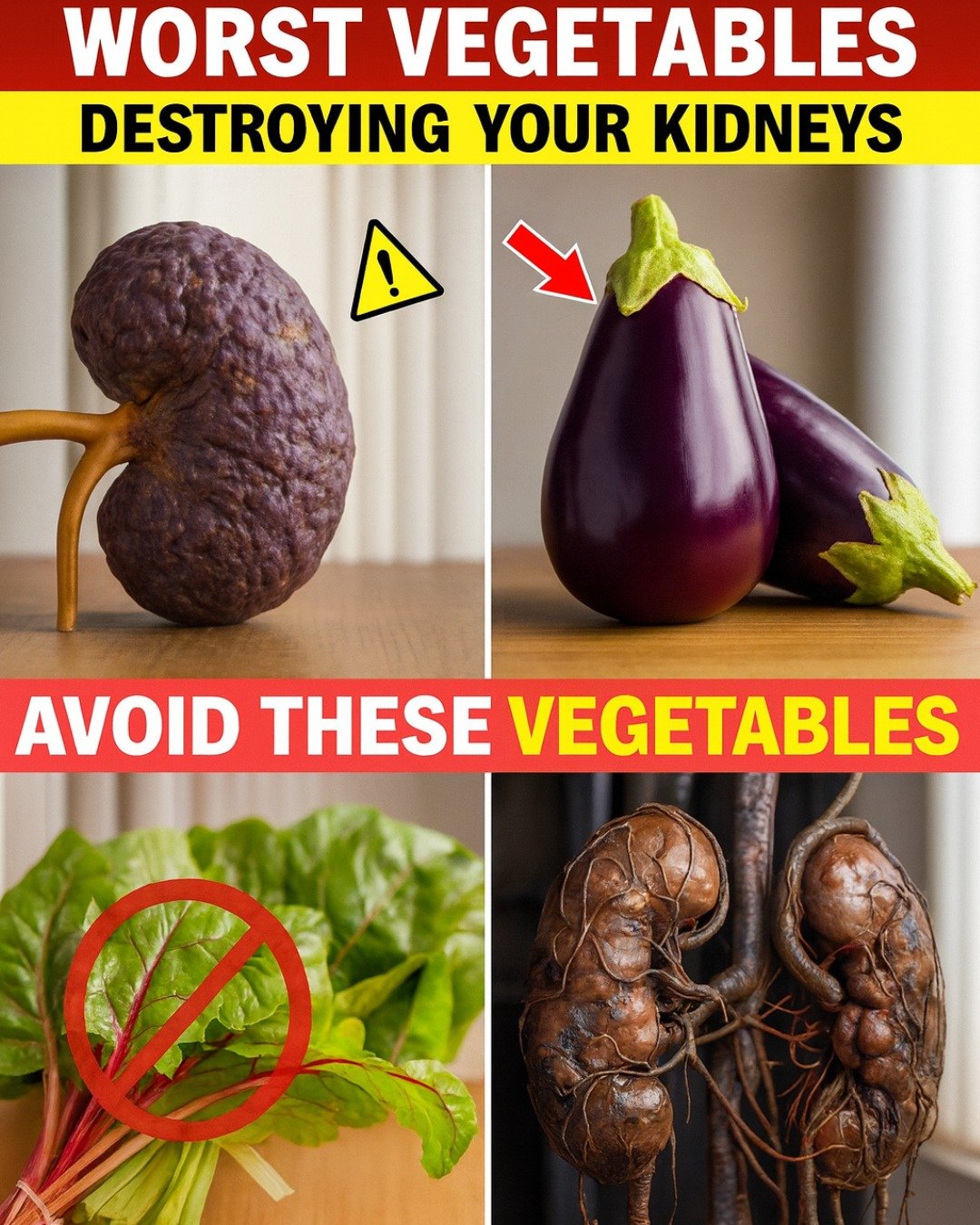
2. Swiss Chard
Beautiful, colorful, and packed with nutrients — but also one of the highest-oxalate greens. High oxalate levels are linked to calcium-oxalate kidney stones in susceptible people.
3. Beet Greens (the leafy tops people often juice)
Most people toss the beets and keep the greens for smoothies. Those greens contain even more oxalates than the root itself.
4. Potatoes (yes, technically a vegetable)
A single medium baked potato with skin delivers nearly 900 mg of potassium. Research in Nephrology Dialysis Transplantation shows that “leaching” (a simple soaking + boiling trick) can cut potassium by half.
5. Sweet Potatoes
They’re lower in potassium than white potatoes, but still deliver around 500–700 mg per medium sweet potato — a number that adds up fast.
6. Tomatoes (especially concentrated forms)
One cup of tomato sauce can have 900+ mg of potassium. Fresh tomatoes are safer in small amounts, but pasta sauce and sun-dried tomatoes concentrate the minerals.
7. Avocado
Half an avocado has almost 500 mg of potassium. Delicious, yes — but something to enjoy occasionally rather than daily when kidneys need a break.
8. Kale (especially raw in large salads or green juice)
Raw kale is tough for many kidneys because of both potassium and oxalates. Lightly cooking or massaging with lemon juice makes it gentler.
Here’s the thing…
These vegetables aren’t “bad.” They’re simply high in certain minerals that healthy kidneys handle with ease — but tired kidneys may struggle to keep up.

8 Kidney-Friendlier Vegetable Swaps You’ll Actually Love
- Instead of spinach → try boiled cabbage or iceberg lettuce
- Instead of Swiss chard or beet greens → choose green beans or cauliflower
- Instead of regular potatoes → go for white rice, couscous, or leached potatoes
- Instead of tomato-heavy sauces → use roasted red pepper or carrot-based sauces
- Instead of avocado → small amounts of olive oil or a few slices of cucumber
- Instead of raw kale → lightly steamed broccoli or zucchini
The Simple Leaching Method Doctors Recommend (Takes Only 10 Extra Minutes)
- Peel and slice the high-potassium vegetable (potatoes, sweet potatoes, carrots, beets).
- Place in room-temperature water for at least 2 hours (overnight is even better).
- Drain, rinse, and boil in fresh water for at least 5 minutes.
- Drain again — you’ve just removed up to 50–80% of the potassium.
Research from the Journal of Renal Nutrition confirms this technique is safe and effective for home cooking.

Quick Daily Habits That Support Your Kidneys Without Feeling Restricted
- Aim for portions: ½ cup cooked or 1 cup raw low-potassium vegetables per meal.
- Double-cook or boil high-potassium favorites when you really want them.
- Season with herbs, lemon, garlic, and onion instead of salt or salt substitutes (many contain potassium).
- Drink water throughout the day — proper hydration helps kidneys flush minerals more easily.
The Takeaway — Small Changes, Big Difference
You don’t have to give up flavor or nutrition to be kind to your kidneys. By understanding which everyday vegetables ask the most of your kidneys — and using simple cooking tricks or smarter swaps — you can enjoy meals with confidence and peace of mind.
And remember that popular green we mentioned earlier? It’s raw kale in giant daily smoothies. A quick steam or sauté turns it from potential burden to kidney-friendly food almost instantly.
Frequently Asked Questions
1. Can I still eat spinach if I have kidney issues?
Yes — in moderation and preferably after boiling to reduce potassium and oxalates.
2. Are canned vegetables safer for kidneys?
Choose “no salt added” or “low sodium” cans, then rinse them well under running water to remove extra potassium that leaches into the liquid.
3. How do I know if a vegetable is high in potassium?
A general rule: leafy greens, roots, and anything you bake or boil without leaching tends to be higher. When in doubt, check reliable kidney-diet resources or ask your dietitian.
Disclaimer: This article is for informational purposes only and is not a substitute for professional medical advice. Always consult your doctor or a registered dietitian before making changes to your diet, especially if you have chronic kidney disease or are on dialysis.
ADVERTISEMENT
