ADVERTISEMENT
Imagine coughing up a small, hard, foul-smelling lump that looks like a tiny pebble. You stare at it, puzzled, wondering where it came from. For many, this is their first encounter with tonsil stones.
These sneaky formations, also called tonsilloliths, hide in the crevices of your tonsils. They affect millions quietly, often causing embarrassment over bad breath. Research shows they form from trapped debris hardening over time.
Have you ever noticed white specks in the back of your throat or persistent halitosis despite brushing? You might be dealing with tonsil stones without realizing it.
They’re usually harmless, but understanding them can bring relief. Let’s dive into what they are, why they happen, and how to manage them effectively.
What Exactly Are Tonsil Stones?
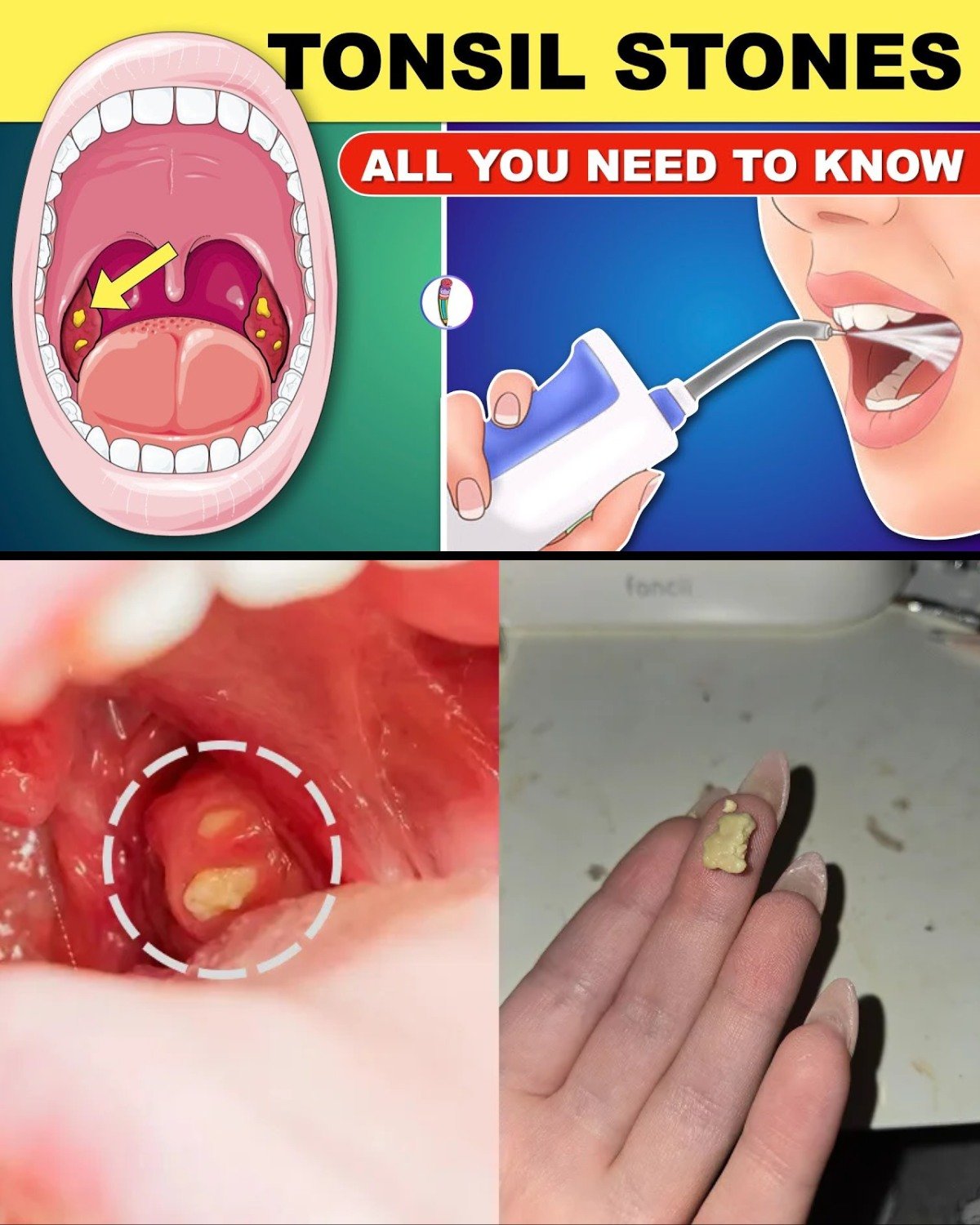
Tonsil stones are small, calcified deposits that develop in the tonsils’ natural pockets, called crypts.
Your tonsils act like filters, trapping bacteria, food particles, dead cells, and mucus. When these get stuck and harden with calcium, they form white or yellow lumps.
Most are tiny, like grains of rice, but some grow larger. Experts at Cleveland Clinic note they’re common and rarely serious.
You might spot them yourself or during a dental check. But hold on—seeing one is just the start.
Common Symptoms That Might Surprise You
Many people have tonsil stones without noticing. When symptoms appear, they can be subtle yet annoying.
Bad Breath That Won’t Quit
That persistent foul odor, even after brushing? Bacteria on stones produce sulfur compounds.
Studies link tonsil stones to up to 10% of chronic bad breath cases.
Sore Throat or Irritation
A scratchy feeling or mild pain, especially when swallowing.
Larger stones irritate tissue. You might feel something stuck.
Visible White or Yellow Spots
Peering in the mirror reveals flecks on your tonsils.
They may cough up or dislodge naturally.
Ear Pain Without Infection
Referred pain makes your ears ache oddly.
Shared nerves connect tonsils and ears.
Swollen Tonsils or Cough
Inflammation leads to swelling or persistent coughing to clear them.
Small ones often cause no issues. But patterns? Worth noting.
| Common Symptoms | Why It Happens | Often Mistaken For |
|---|---|---|
| Persistent Bad Breath | Bacterial sulfur compounds | Poor hygiene or diet |
| Sore Throat/Irritation | Tissue pressure | Cold or allergies |
| Visible Spots & Ear Pain | Stone presence & nerve referral | Infection or wax buildup |
| Cough & Swelling | Irritation response | Reflux or smoking |
What Causes Tonsil Stones to Form?
Anyone can get them, but certain factors increase risk.
Poor oral hygiene lets debris build up. Chronic tonsillitis enlarges crypts.
Large tonsils with deep pockets trap more material. Post-nasal drip adds mucus.
You might think they’re rare. Actually, common in adults with cryptic tonsils.
But there’s more—prevention starts with daily habits.
How to Safely Remove Tonsil Stones at Home
Small ones often dislodge naturally. For others, gentle methods help.
- Gargle vigorously with salt water to loosen them.
- Use a low-pressure water flosser aimed carefully.
- Cough strongly or use a clean cotton swab gently.
Avoid aggressive poking to prevent injury or infection. If large or painful, see a professional.
Prevention Tips: Keep Them From Coming Back
Good habits reduce recurrence significantly.
| Daily Prevention Steps | How It Helps | Tips for Success |
|---|---|---|
| Brush & Floss Twice Daily | Removes debris early | Include tongue brushing |
| Gargle After Meals | Clears food particles | Use salt water or alcohol-free mouthwash |
| Stay Hydrated | Thins mucus flow | Drink plenty of water |
| Avoid Smoking/Dairy Excess | Reduces buildup triggers | Limit if prone |
Research suggests consistent hygiene prevents most cases.
When to See a Doctor: Don’t Ignore These Signs
Most tonsil stones are benign, but seek help if:
- Stones are very large or recurrent.
- You have severe pain, swelling, or difficulty swallowing.
- Bad breath persists despite hygiene.
- Signs of infection like fever appear.
Providers may recommend cryptolysis or tonsillectomy for chronic cases.
You might wonder if they’re dangerous. Rarely, but awareness empowers.
Real Experiences: You’re Not Alone
Take Sarah, 42, who battled bad breath for years. Discovering tonsil stones via mirror check, she started salt gargles—symptoms vanished.
Or Mike, 35, with ear pain. Home removal and better hygiene resolved it without surgery.
These stories show simple changes often suffice.
Don’t let hidden stones steal confidence. Understanding tonsil stones—from causes to safe management—puts you in control.
You’ve explored symptoms, removal, and prevention backed by experts. What if better habits today mean fresher breath tomorrow?
Share this with someone noticing throat oddities—it could clarify things.
P.S. Fun fact: Some stones weigh grams, but most are tiny and harmless.
This article is for informational purposes only and is not a substitute for professional medical advice. Research suggests good oral hygiene may help manage tonsil stones, but always consult your healthcare provider for personalized guidance.
ADVERTISEMENT
