ADVERTISEMENT
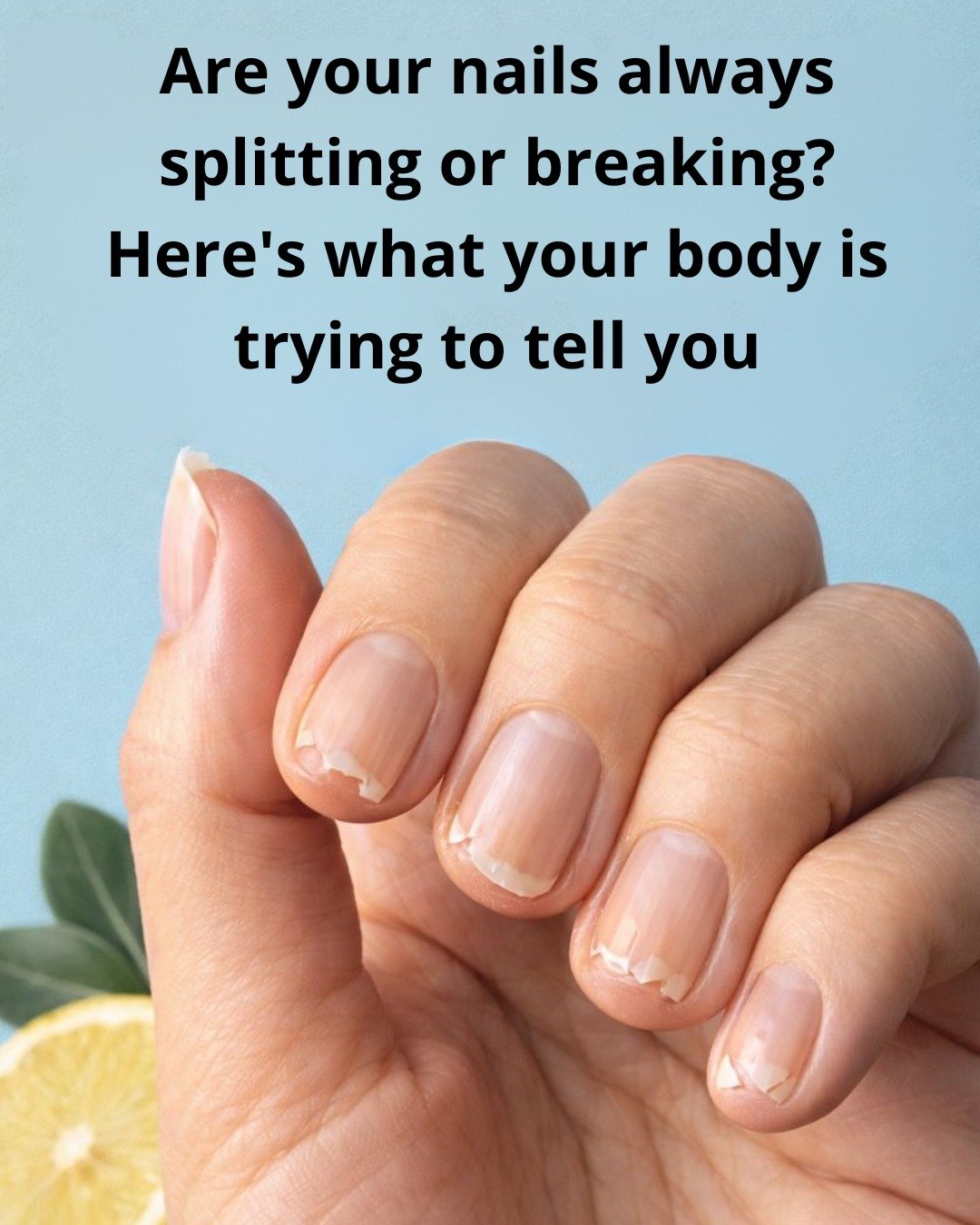
Your nails have been splitting, peeling, or breaking more than usual, leaving you frustrated with every little task that causes another crack. It’s not just annoying—it can feel embarrassing when your manicure chips in hours or your nails snag on everything, making you hide your hands or avoid activities you love. The constant worry about how they look and feel can really wear on you, especially when nothing seems to help.
But here’s the good news: these changes are often your body’s way of signaling something deeper that needs attention. By understanding the root causes, you can take simple steps to strengthen your nails—and improve your overall health in the process. And stick with me until the end, because there’s one surprising factor many people overlook that could change everything for you.
1. Nutritional Deficiencies: The Hidden Fuel Your Nails Need
Your nails are made mostly of a tough protein called keratin, so it’s no surprise that what you eat plays a huge role in their strength. Research shows that certain nutrient shortfalls can lead directly to brittle, splitting nails.
Lack of Biotin
Biotin, a B-vitamin, helps your body produce keratin and keeps nails thick and resilient. Studies, including small clinical trials, have found that biotin supplementation can improve nail firmness and reduce splitting in people with brittle nails.
Foods rich in biotin include:
- Eggs
- Almonds
- Cauliflower
- Cheese
- Mushrooms
- Sweet potatoes
- Spinach
But that’s not all—other deficiencies can sneak up too.
Iron Shortfall
Iron helps deliver oxygen to nail-growing cells. Low levels are linked to brittle nails and even spoon-shaped dips (koilonychia), according to sources like Cleveland Clinic and Mayo Clinic.
Boost iron with:
- Spinach
- Red meat
- Lentils
- Fortified cereals
Pair plant-based iron with vitamin C-rich foods (like oranges) for better absorption.
Not Enough Protein
Since keratin is a protein, skimping on it weakens nail structure. Aim for balanced meals with lean sources.
The truth is, fixing these deficiencies often starts with diet tweaks. Research from dermatology reviews supports that addressing nutrient gaps can lead to noticeable improvements in nail health.
2. Dehydration: Why Water Matters More Than You Think
Dehydration doesn’t just affect your skin—it dries out nails, making them inflexible and prone to splitting.
Here’s the interesting part: Nails contain water for elasticity. When levels drop, they become rigid and crack easily.
Drink plenty of water daily—aim for at least 8 glasses. You’ll likely notice your nails (and energy) perk up.
3. Environmental Factors: Everyday Exposures That Damage Nails
Harsh surroundings can strip moisture and weaken nails over time.
Chemical Exposure
Cleaning products, detergents, and acetone-based removers dry out nails. Opt for gloves during chores and acetone-free removers.
Weather Challenges
Cold, dry air pulls moisture from nails. In winter, layer on moisturizer and wear gloves outdoors.
These small habits can make a big difference—many people see stronger nails just by protecting them more.
4. Underlying Health Conditions: When Nails Signal Something Bigger
Sometimes, brittle nails point to conditions worth checking with a doctor.
Thyroid Issues
Both underactive (hypothyroidism) and overactive (hyperthyroidism) thyroid can cause brittle or splitting nails, per studies in dermatology journals. A simple blood test can reveal if this is the culprit.
Psoriasis
This skin condition can affect nails, leading to pitting and splitting.
Fungal Infections
Infections thicken and weaken nails. If discoloration or thickening accompanies brittleness, see a professional.
The reality is, treating the root issue often resolves nail problems alongside other symptoms.
5. Physical Habits and Stress on Nails
Using nails as tools—for opening cans or scratching labels—causes immediate splits.
Keep them trimmed short and use proper tools instead. This prevents long-term damage.
6. Age-Related Changes: What Happens Over Time
As we age, nails naturally dry out and thin. Adding omega-3s (from fish, walnuts, or flaxseeds) and regular moisturizing helps counteract this.
Actionable Tips to Strengthen Your Nails Starting Today
Ready to take control? Here’s a step-by-step guide:
- Hydrate inside and out: Drink water consistently and apply a moisturizer or cuticle oil (like jojoba or vitamin E-based) daily, especially after washing hands.
- Protect your hands: Wear gloves for cleaning or cold weather.
- Eat nail-friendly foods: Incorporate biotin-rich eggs and nuts, iron-packed spinach, and protein sources like chicken or beans.
- Gentle care routine: File in one direction, avoid harsh removers, and trim regularly.
- Moisturize nightly: Massage oil into nails and cuticles before bed—wear cotton gloves for extra absorption.
| Tip | Why It Helps | Easy Foods/Products |
|---|---|---|
| Boost Biotin | Builds keratin strength | Eggs, almonds, sweet potatoes |
| Increase Iron | Improves oxygen delivery | Lentils, red meat, spinach |
| Stay Hydrated | Maintains flexibility | Water, herbal teas |
| Use Oils | Locks in moisture | Jojoba, coconut oil |
Follow these for a few weeks, and you should see less splitting.
Conclusion
Your splitting, brittle nails aren’t just a cosmetic issue—they’re often clues to nutrition, hydration, environment, or health needs. By nourishing your body, protecting your hands, and addressing any underlying factors, you can enjoy stronger, healthier nails and feel more confident overall.
That surprising factor I mentioned? Aging and everyday habits compound issues faster than you think, but consistent care reverses it beautifully.
FAQ
1. How long does it take to see improvements in brittle nails?
It varies, but with diet changes and better care, many notice stronger nails in 3-6 months as new growth comes in.
2. Can supplements help with splitting nails?
They might if you’re deficient (like in biotin or iron), but talk to a doctor first—food sources are often best.
3. When should I see a doctor for brittle nails?
If changes persist despite lifestyle tweaks, or if accompanied by fatigue, discoloration, or other symptoms, get checked for conditions like thyroid issues.
Disclaimer: This article is for informational purposes only and is not a substitute for professional medical advice. Consult a healthcare provider for personalized guidance on nail or health concerns.
ADVERTISEMENT
