ADVERTISEMENT
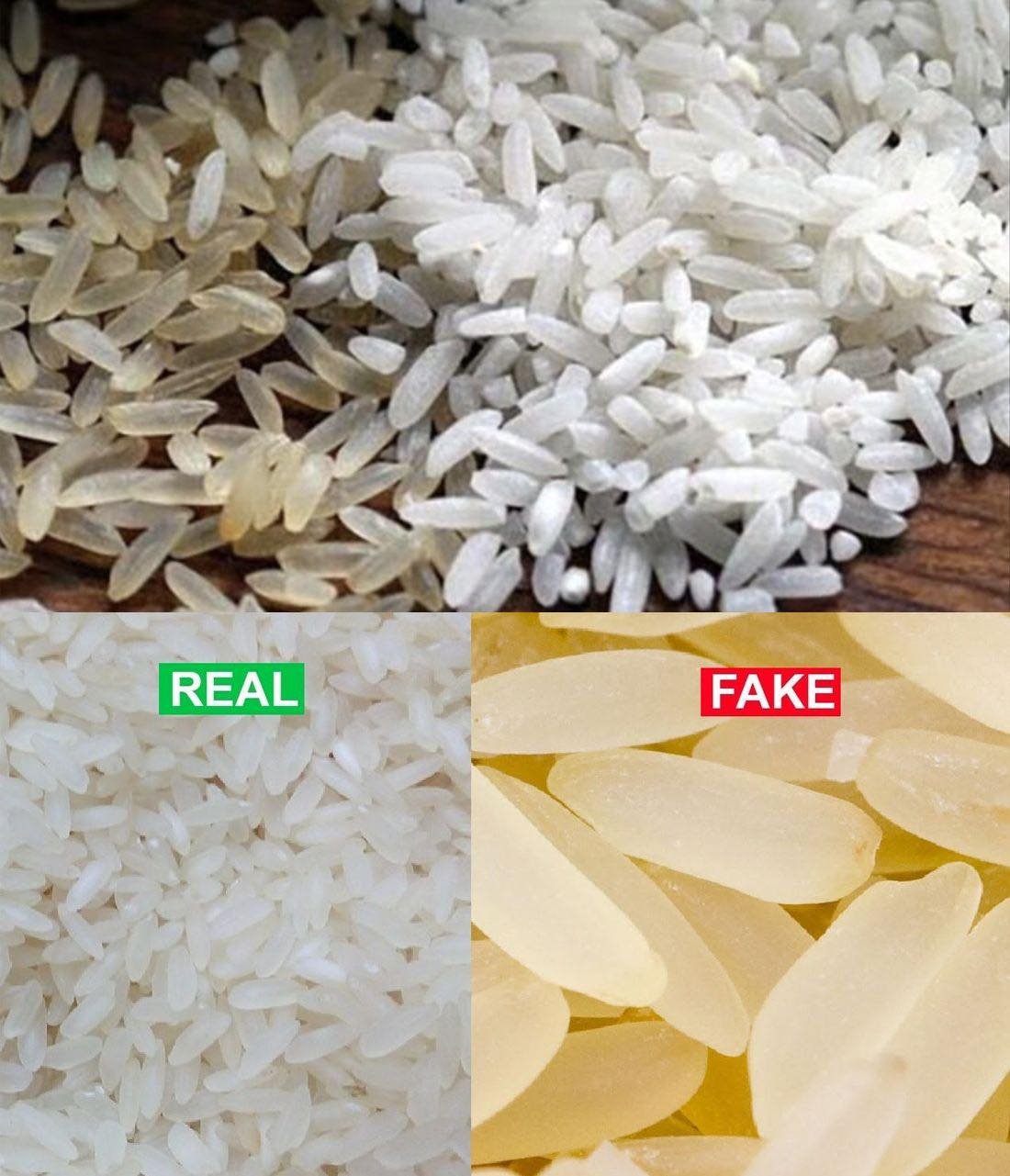
🍚 Plastic Rice vs Real Rice
Watch Here How to Identify the Difference
Rumors about “plastic rice” appear online every few years. The truth is: plastic rice in normal food markets is extremely rare, but people still want simple ways to check rice quality and safety.
Here’s how to identify good rice correctly 👇
✅ 1. Water Test (Density Check)
What to do:
-
Put a spoonful of rice in a glass of water
Result:
-
Real rice → sinks
-
Fake or poor-quality rice → may float
⚠️ Floating does NOT automatically mean plastic—some broken or dried grains float too.
✅ 2. Boiling Test
What to do:
-
Boil rice normally
Result:
-
Real rice → softens, separates naturally
-
Fake rice → may stay unusually hard or rubbery
✅ 3. Smell Test (Very Important)
What to do:
-
Smell rice while cooking
Result:
-
Real rice → natural starchy or nutty smell
-
Fake or adulterated rice → chemical or plastic-like odor
✅ 4. Press Test
What to do:
-
Take a few cooked grains and press between fingers
Result:
-
Real rice → mashes easily
-
Fake rice → may feel rubbery or elastic
❌ Myths You Should Ignore
🚫 Burning rice with fire
🚫 Melting rice like plastic
🚫 Lemon or chemical tests from social media
🚫 Viral “instant proof” videos
These methods are unsafe and misleading.
🛡️ How to Stay Safe
✔ Buy rice from trusted brands
✔ Check packaging, expiry, and certification
✔ Wash rice properly before cooking
✔ Store rice in dry, airtight containers
🧠 Reality Check
Government food authorities worldwide have found no evidence of plastic rice in regular markets. Most viral videos confuse:
-
Low-quality rice
-
Synthetic polishing
-
Old or improperly stored rice
🌾 Final Word
Instead of fear, focus on quality, hygiene, and trusted sources.
ADVERTISEMENT
