ADVERTISEMENT
You’re brushing your teeth religiously, using mouthwash twice a day, yet that stubborn bad breath just won’t go away. Then one day you cough — and out pops a tiny, hard, foul-smelling white ball. It’s shocking, embarrassing, and you instantly wonder: “What on earth was that thing?” You’re not alone — millions of people deal with these annoying little “stones” without ever knowing their name or how to stop them for good.
The worst part? They silently build up in the back of your throat, feeding bacteria that create an odor strong enough to make you self-conscious every time you open your mouth. But here’s the good news: once you understand exactly what they are and why they keep coming back, getting rid of them (and the bad breath) becomes surprisingly simple. Keep reading — because by the end of this article you’ll discover a few little-known tricks that most people never hear about… even from their dentist.
What Exactly Are Tonsil Stones (Tonsilloliths)?
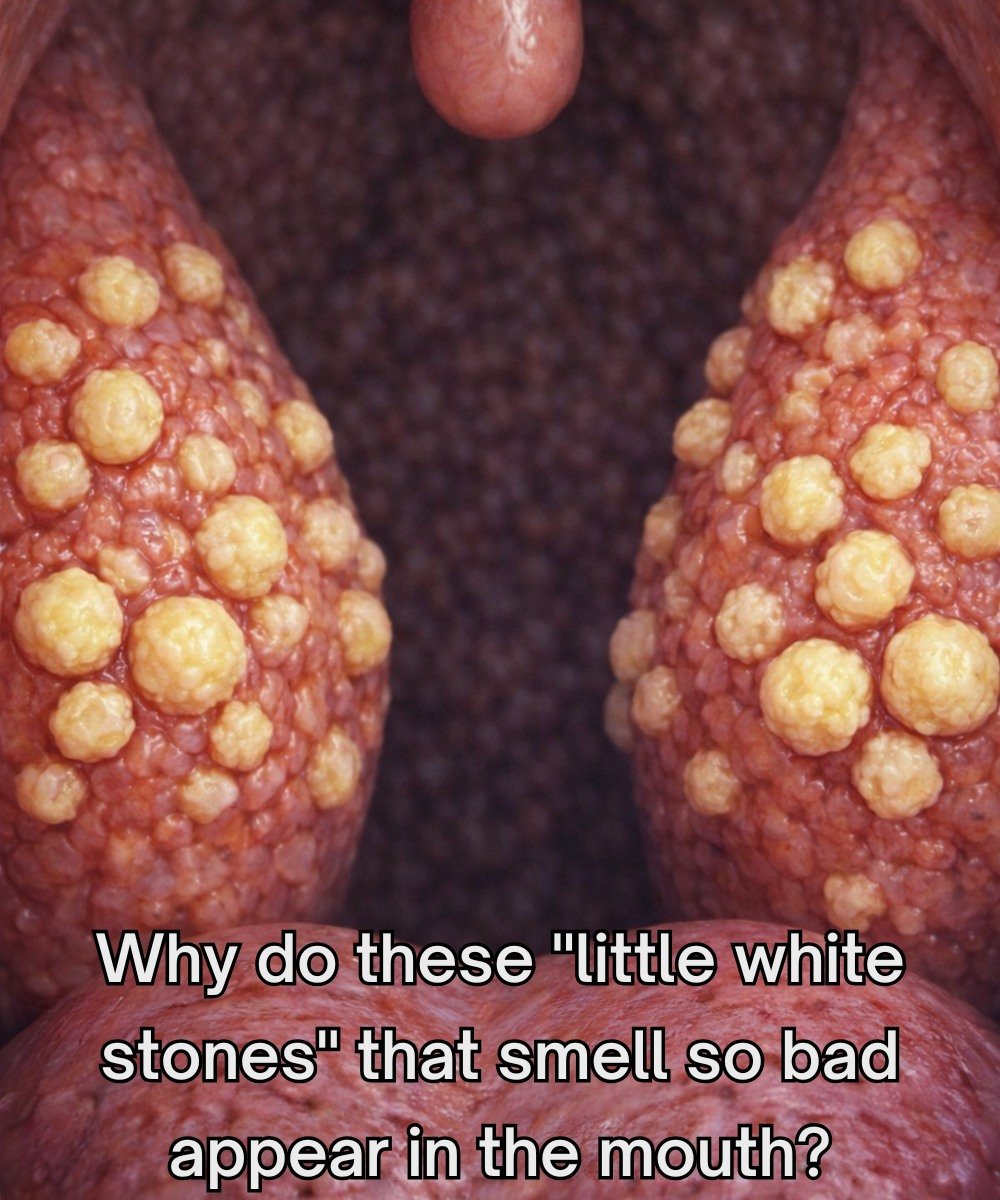
Tonsil stones, also called tonsilloliths, are small, hard, yellowish-white calcified lumps that form in the crevices (crypts) of your tonsils. They’re made of food particles, dead cells, mucus, and bacteria that get trapped and then harden due to calcium buildup from saliva.
Research published in the journal Otolaryngology–Head and Neck Surgery shows that up to 10% of people develop visible tonsil stones at some point, though many more have tiny ones they never notice. The rotten-egg smell comes from anaerobic bacteria breaking down the trapped debris — the same bacteria linked to chronic bad breath (halitosis).
The bigger or deeper your tonsil crypts are, the more likely you are to get them. That’s why some people cough them up weekly while others go years without a single one.
Common Signs You Might Have Tonsil Stones
Many people live with tonsil stones for months without realizing it. Here are the most frequent symptoms studies and clinical reports highlight:
- Persistent bad breath that doesn’t improve with brushing or mints
- Feeling like something is stuck in the back of your throat
- Metallic taste or unpleasant taste in the mouth
- Mild sore throat or ear pain (referred pain)
- Swollen tonsils or white debris visible when you open wide
- Coughing fits that suddenly dislodge a stone
If you only notice the smell and the occasional “white pebble,” you’re experiencing classic tonsil stones.
Why Do Tonsil Stones Keep Forming?
Several everyday factors make the tonsils a perfect hiding spot for debris. Here are the biggest culprits researchers have identified:
- Poor oral hygiene letting food particles linger
- Chronic tonsillitis or repeated throat infections
- Large or “cryptic” tonsils with deep pockets
- Post-nasal drip from allergies or sinus problems
- Dry mouth (less saliva to wash away debris)
- High dairy intake — casein in milk can leave sticky residue
- Smoking or frequent mouth-breathing
The scary truth? Even if you brush twice a day, post-nasal drip or naturally deep tonsil crypts can still trap material you have no control over.
Safe Ways to Remove Tonsil Stones at Home
Never — ever — use sharp objects or aggressively poke your tonsils. That risks injury and infection. Instead, try these gentle, proven methods:
1. Warm Salt-Water Gargle (The Classic)
Mix 1 teaspoon of salt in a glass of warm water. Gargle vigorously for 30 seconds, focusing on the back of the throat. The saline reduces swelling and helps stones pop out naturally. Do this 2–3 times daily.
2. Low-Pressure Water Irrigation
A water flosser (like Waterpik) on the lowest setting can gently flush crypts. Aim the stream at the tonsils from different angles — many people see stones fly out instantly.
3. Coughing or “Throat Clearing” Technique
A controlled, strong cough while leaning forward often dislodges hidden stones. Do it over a sink so you can catch and examine what comes out.
4. Crunchy Foods as Natural Scrapers
Eating apples, carrots, or celery can act like nature’s toothbrush for your tonsils. The texture mechanically knocks stones loose while you chew.
5. Cotton Swab Method (Only If Visible & Shallow)
If a stone is clearly visible and not deep, gently press around (not on) the tonsil with a damp cotton swab. Stop immediately if it hurts.
When stones are large, painful, or keep returning, see an ENT doctor. They can safely remove them in minutes with specialized tools.
How to Prevent Tonsil Stones From Coming Back
Prevention beats removal every time. Adopt these daily habits and most people notice a dramatic drop in new stones:
- Brush teeth + tongue twice daily and floss once
- Use an alcohol-free antiseptic mouthwash (chlorhexidine or essential-oil based)
- Stay hydrated — aim for 8–10 glasses of water daily
- Use a humidifier at night if you mouth-breathe
- Cut back on dairy if you suspect it’s a trigger
- Treat allergies or post-nasal drip promptly
- Quit smoking and limit alcohol (both dry the mouth)
Studies show consistent hydration and tongue cleaning alone can reduce tonsil-stone formation by up to 70% in regular sufferers.
When Should You See a Doctor?
Occasional small stones are harmless. Seek medical advice if you experience:
- Stones larger than a pea
- Severe throat pain or difficulty swallowing
- Swollen tonsils that don’t improve
- Fever or signs of infection
- Bad breath that affects your work or relationships despite good hygiene
In rare cases, chronic tonsil stones are solved permanently with tonsillectomy (tonsil removal) — a quick outpatient procedure with high satisfaction rates.
Conclusion
Those smelly white “stones” in your throat are almost always tonsil stones — harmless but incredibly annoying little calcifications that love to ruin your confidence. By understanding why they form and using gentle removal and prevention techniques, you can finally say goodbye to bad breath and that constant “lump” sensation.
Start tonight with a simple salt-water gargle and better tongue brushing — most readers notice a difference within days.
Frequently Asked Questions
1. Are tonsil stones contagious?
No. They’re made of your own debris and bacteria, not a virus or infection you can pass to others.
2. Can tonsil stones go away on their own?
Yes — many dislodge naturally when you cough, sneeze, or eat crunchy foods.
3. Do tonsil stones mean I have bad hygiene?
Not necessarily. Even people with excellent oral care get them because of tonsil structure or post-nasal drip.
Disclaimer: This article is for informational purposes only and is not a substitute for professional medical advice. Always consult a qualified healthcare provider or ENT specialist if you have persistent symptoms or concerns about your throat health.
ADVERTISEMENT
