ADVERTISEMENT
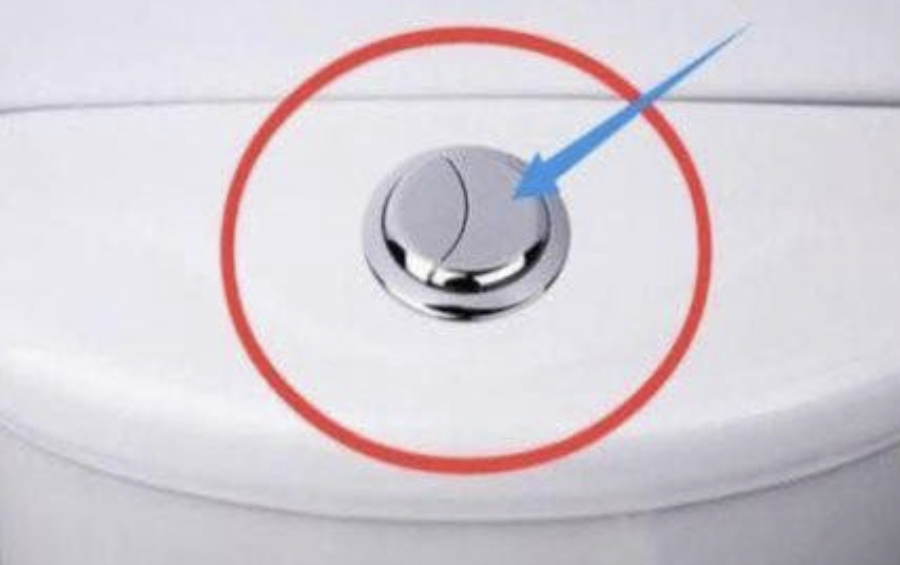
Have you ever looked at the two buttons on your toilet and wondered why they’re there? Most people assume they both do the same thing—flush the toilet—but in reality, they serve a much greater purpose. Those two buttons are part of a dual flush system, a simple yet brilliant design created to save water, reduce utility costs, and help protect the environment. Let’s dive deep into how it works, why it matters, and how this small feature can make a big difference in your daily life.
🚽 How Dual Flush Toilets Work
A dual flush toilet is designed to offer two levels of flushing power, depending on the type of waste being disposed of.
-
The smaller button is meant for liquid waste and typically uses about 3–4.5 liters of water per flush.
-
The larger button is for solid waste and uses roughly 6–9 liters of water per flush.
By giving you two options, the system ensures that you only use the amount of water truly needed. When you press the smaller button, it releases less water through the tank valve, while pressing the larger button opens the valve completely for a stronger flush.
This simple design allows you to cut water usage by up to 50% with every flush—without sacrificing cleaning power or efficiency.
💧 Why It Matters
Traditional single-flush toilets use the same amount of water every time—whether you’re flushing liquid or solid waste. That means thousands of liters of perfectly clean water are wasted each year simply because there’s no way to control the flow.
By switching to a dual flush toilet, you’re making a conscious choice to conserve. On average, a household using a dual flush system can save up to 20,000 liters of water per year—enough to fill a small swimming pool!
Less water used also means less energy required for pumping, treating, and heating that water, which reduces your home’s overall carbon footprint. It’s a small change that has a surprisingly large environmental impact.
🌍 The Environmental and Economic Benefits
-
Saves Water Resources – With climate change and global water shortages affecting many regions, conserving water is more important than ever. Dual flush toilets help ensure we use water responsibly.
-
Reduces Water Bills – Lower water consumption directly translates into lower utility costs. Many homeowners notice noticeable savings within the first few months.
-
Supports Sustainability Goals – Whether in homes, hotels, or public buildings, dual flush systems are now part of global initiatives to promote eco-conscious living.
-
Minimizes Strain on Water Systems – Using less water reduces the demand on municipal water supplies and treatment plants, making it easier for cities to manage resources efficiently.
🕰️ A Brief History
The idea of the dual flush toilet wasn’t born overnight. It traces back to 1976, when designer and environmental advocate Victor Papanek proposed the concept as part of his vision for sustainable design.
It wasn’t until 1980 that Australia brought the idea to life, introducing the first commercial dual flush system. Australians quickly embraced it as a way to manage the country’s limited water resources. The innovation proved so successful that it spread worldwide, becoming a standard in many modern, eco-friendly homes and commercial spaces.
⚙️ How to Use It Properly
Using a dual flush toilet is simple, but understanding how it works helps you maximize its benefits:
-
Press the small button for liquid waste (a light flush).
-
Press the large button for solid waste (a full flush).
-
Avoid pressing both buttons at the same time—it can confuse the mechanism and use more water than necessary.
If your toilet has a single split button, the smaller side is for the light flush and the larger for the full flush. If you’re unsure, check the manufacturer’s label inside the tank or lid for guidance.
💡 Maintenance Tips
To keep your dual flush system working efficiently:
-
Regularly clean the flush buttons and valve area to prevent buildup.
-
Check for leaks or running water inside the tank—this can waste water and increase your bill.
-
Replace worn-out seals or valves promptly; these parts are inexpensive and easy to install.
🌱 Making a Difference
Every flush counts. Using your dual flush toilet correctly can save hundreds of gallons of water every month, benefiting not only your household budget but also the planet. It’s a small daily choice that, when multiplied across millions of homes, has a tremendous impact.
As we continue to face growing environmental challenges, these kinds of thoughtful innovations remind us that sustainability often starts with the simplest actions—like choosing the right button.
Final Thought
So next time you’re in the bathroom and see those two buttons, remember—they’re not just for looks. Each press represents an opportunity to conserve water, reduce waste, and do your part for the planet. Small changes, when made consistently, lead to big results.
✨ If you love learning about clever, eco-friendly home tips like this one, make sure to follow for more smart solutions that make life easier, greener, and more sustainable!
ADVERTISEMENT
