ADVERTISEMENT
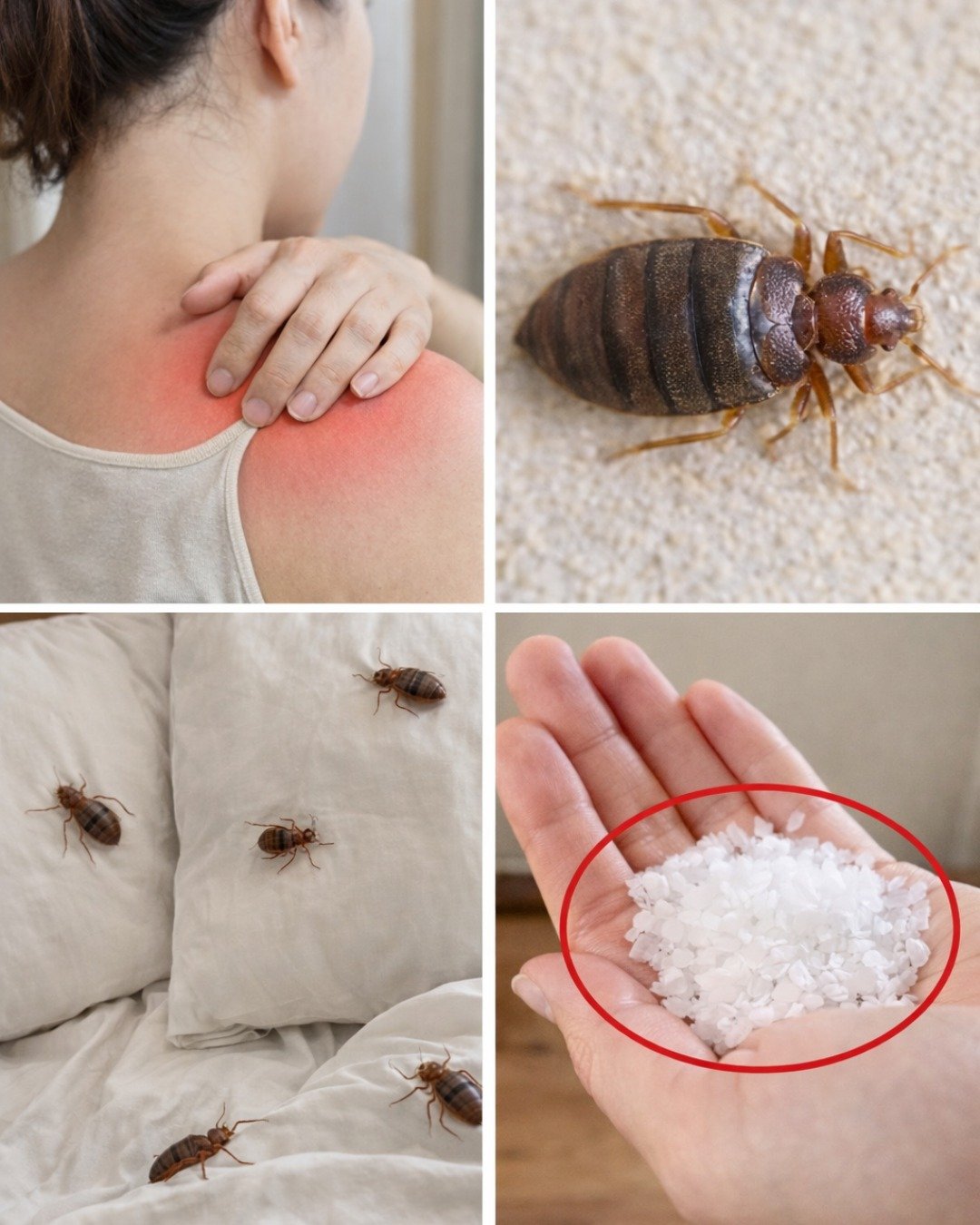
Bed bugs, those notorious indoor pests that feed exclusively on blood (primarily human), rarely establish lasting infestations in gardens or on outdoor plants. Studies and pest control experts, including sources like Gardening Know How and university extension programs, confirm that bed bugs prefer warm, sheltered indoor environments near hosts and do not thrive outdoors long-term due to temperature fluctuations, lack of blood meals, and exposure to elements. They might temporarily appear in gardens if transported from infested homes (e.g., on clothing, furniture, or potted plants), but true garden “bed bug” issues are uncommon and often involve misidentification.
Many gardeners mistake small, flat, reddish-brown insects in outdoor spaces for bed bugs. Common look-alikes include carpet beetles, spider beetles, fleas, ticks, or even bat bugs—which resemble bed bugs closely but target different hosts. These pests can damage plants or create discomfort in garden areas.
If you’re dealing with tiny bugs hiding in garden cracks, on plant stems, or around outdoor seating, salt can offer a simple, natural approach to deterrence and control for certain soft-bodied or moisture-dependent pests. It’s not a miracle cure-all, but as a desiccant (moisture-drawer), salt dehydrates insects on contact in dry conditions—similar to how it affects slugs or snails in gardens, according to natural pest control discussions in horticulture resources.

Why Consider Salt for Garden Pest Management?
Salt is inexpensive, readily available, and eco-friendly when used sparingly. It avoids harsh chemical pesticides, reducing risks to beneficial insects like bees and ladybugs, pets, and soil health. Research on desiccants shows they can impact small pests by disrupting their exoskeleton’s moisture balance, though effectiveness varies by species, humidity, and application.
However, salt isn’t universally effective against all pests (e.g., it won’t reliably eliminate true bed bugs, as their tough exoskeleton resists simple table salt). Overuse can harm plants by increasing soil salinity or burning foliage, so moderation is key.

Best Types of Salt for Garden Use
Here are practical options:
- Table Salt (Sodium Chloride) — Affordable and straightforward for general deterrence.
- Epsom Salt (Magnesium Sulfate) — Popular in gardening; it may deter some pests while supplying magnesium, which supports plant growth.
- Rock Salt — Coarser texture suits sprinkling around bases for longer-lasting barriers, but use cautiously near roots.
How to Prepare a Simple Salt Solution
This DIY spray is quick to make and apply.
- Measure 2–3 tablespoons of salt (table or Epsom).
- Dissolve completely in 1 liter (about 4 cups) of warm water—warm helps it mix faster.
- Pour into a clean spray bottle.
For dry application, use undissolved salt directly.

Step-by-Step: Applying Salt in Your Garden
Follow these actionable steps for best results:
- Identify Problem Areas — Check plant stems, undersides of leaves, garden bed edges, cracks in patios, or near outdoor furniture where pests hide.
- Spray Method — Mist the solution directly on affected areas during dry weather. Focus on hiding spots without soaking plants excessively.
- Sprinkle Method — Lightly dust dry salt around plant bases or create barriers along garden perimeters to deter crawling pests.
- Timing — Apply in the evening or early morning when humidity is lower for better desiccation. Reapply every 3–5 days or after rain, as water dilutes effectiveness.
- Combine for Better Results — Add a few drops of tea tree or lavender essential oil to the spray—these natural repellents enhance deterrence without chemicals.
Additional Natural Strategies to Support Salt Use
To build long-term protection:
- Maintain a tidy garden by removing debris, dead leaves, and weeds—these provide hiding spots.
- Encourage beneficial predators like ladybugs, lacewings, and spiders that naturally reduce pest numbers.
- Monitor regularly—early detection prevents small issues from growing.
But that’s not all… the real game-changer comes from prevention and understanding what truly works.

Why Salt Beats Harsh Chemicals in Many Cases
- Budget-Friendly — Costs pennies per application.
- Safer for the Environment — Minimal impact on pollinators and soil when used correctly.
- Quick and Accessible — No special equipment needed.
- Versatile — Works as spray or powder for different scenarios.
Enjoying a Healthier, Pest-Resistant Garden
Using salt thoughtfully can help manage unwanted pests in your outdoor space, keeping plants thriving and your garden enjoyable. Regular maintenance with these natural methods promotes a balanced ecosystem without relying on toxins. Many gardeners report fewer issues after consistent use combined with good hygiene practices.
FAQ
Can bed bugs really infest my garden plants?
Unlikely for sustained infestations—bed bugs need blood meals and prefer indoors. Outdoor sightings are often temporary or misidentified pests.
Is salt safe for all plants?
In moderation, yes—especially Epsom salt. Avoid heavy use near sensitive plants or in high-salt buildup areas, as it can affect soil balance.
How long until I see results from salt applications?
You may notice fewer pests within days for contact-killed ones, but full control requires reapplication and integrated methods over 1–2 weeks.
Disclaimer: The information provided is for general educational purposes only and is not intended as professional pest control advice. Effectiveness of home remedies like salt varies by situation, pest type, and environmental factors. For persistent or severe issues, consult a qualified pest management professional. Avoid overuse of salt to prevent potential plant or soil damage. Always test on a small area first.
ADVERTISEMENT
