ADVERTISEMENT
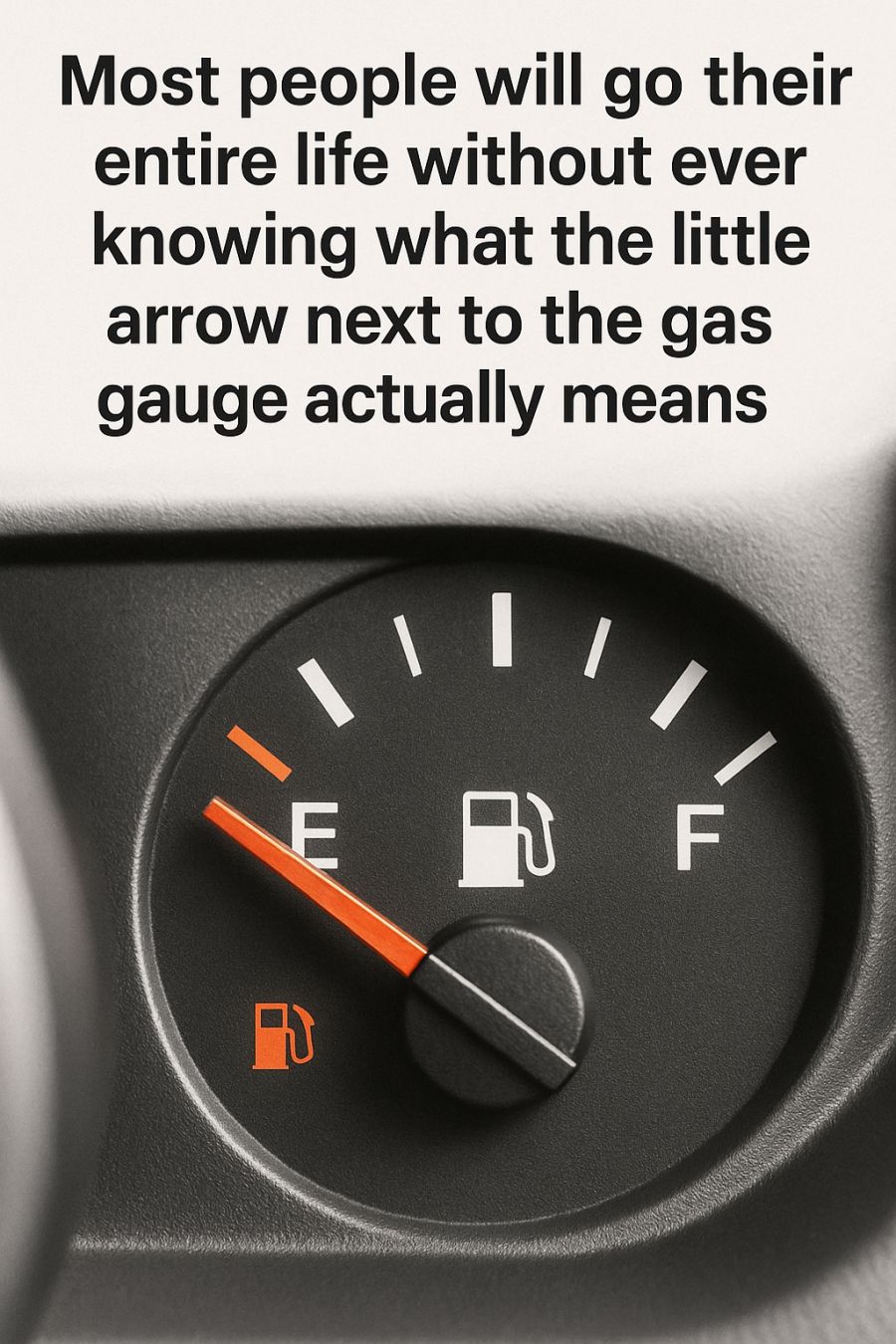
In the fast-paced world of driving, our attention is usually fixed on traffic, directions, and getting where we’re going—not on small dashboard details. One such overlooked feature is the tiny arrow next to the gas gauge. Despite being right in front of drivers every day, its purpose remains a mystery to many, even though it can prevent awkward and stressful moments at the gas station.
For most people, refueling is a routine task that barely requires thought. But for anyone who drives rental cars, borrows vehicles, or switches cars often, figuring out which side the fuel door is on can be frustrating. That’s exactly where this little arrow comes in—quietly offering a simple solution that countless drivers never notice.
1. The Tiny Arrow Most Drivers Never Notice
Next to the gas pump icon on your dashboard is a small arrow pointing left or right. It’s subtle enough that many drivers overlook it entirely. Yet its placement is intentional and practical, offering a quick visual cue that becomes especially useful when driving unfamiliar vehicles.
2. What the Gas Gauge Arrow Actually Means
The arrow indicates which side of the car the fuel door is on. If it points left, the gas cap is on the left side; if it points right, it’s on the right. This simple symbol eliminates guesswork and saves drivers from pulling up to the wrong side of the pump.
3. Why Automakers Added the Fuel Door Arrow
As vehicles became more standardized and drivers increasingly switched between cars, manufacturers looked for ways to improve convenience. Before the arrow, drivers relied on memory or had to step out of the car to check. The arrow provided a clean, intuitive solution to a common annoyance.
4. The Easiest Way to Know Which Side Your Gas Tank Is On
A quick glance at the dashboard before pulling into a station can save time and embarrassment. The arrow works as a directional shortcut—no thinking required—and is especially helpful in rental cars or borrowed vehicles.
5. When the Arrow Doesn’t Appear (Common Exceptions)
Some older vehicles and certain models don’t include the arrow. Custom dashboards or aftermarket modifications may also omit it. In those cases, checking the manual or visually confirming the fuel door is still necessary.
6. How This Dashboard Detail Became a Viral “Life Hack”
Social media helped turn this obscure feature into a viral revelation. Drivers shared their surprise online, sparking widespread disbelief that such a useful feature went unnoticed for so long. It quickly became one of the most shared “car facts” on the internet.
7. Rental Cars and Road Trips: Why the Arrow Matters
see continuation on next page
