ADVERTISEMENT
Starting flowers from seed indoors is a rewarding practice for gardeners eager to get a head start on the growing season. By initiating the process indoors, you can ensure that your plants are strong and healthy by the time the last frost has passed. This method allows you to control the growing environment, giving your seeds the best chance to thrive. In February, as winter begins to wane, it’s the perfect time to begin this indoor gardening adventure.
Benefits of Starting Flowers Indoors in February
Starting flowers indoors in February offers several advantages. It allows you to extend the growing season, giving your plants a head start before they are transplanted outdoors. This early start can lead to earlier blooms and a more extended flowering period. Additionally, starting seeds indoors protects young plants from unpredictable spring weather and pests, ensuring they are robust and ready to flourish when planted outside.
Essential Supplies for Indoor Seed Starting
To successfully start seeds indoors, you’ll need a few essential supplies. These include seed trays or pots, a quality seed-starting mix, labels for identification, a spray bottle for watering, and a grow light or a sunny windowsill. A heat mat can also be beneficial to maintain consistent soil temperatures, which is crucial for germination. Ensuring you have these supplies ready will set the stage for a successful indoor gardening experience.
Tips for Successful Indoor Seed Germination
For successful seed germination indoors, it’s important to follow a few key tips. Start by selecting high-quality seeds and using a sterile seed-starting mix to prevent disease. Keep the soil consistently moist but not waterlogged, as too much water can lead to rot. Provide adequate light, either from a sunny window or grow lights, to prevent seedlings from becoming leggy. Finally, maintain a warm environment, ideally between 65-75°F, to encourage healthy growth.
1. Marigolds: Vibrant Blooms with Pest-Repelling Qualities
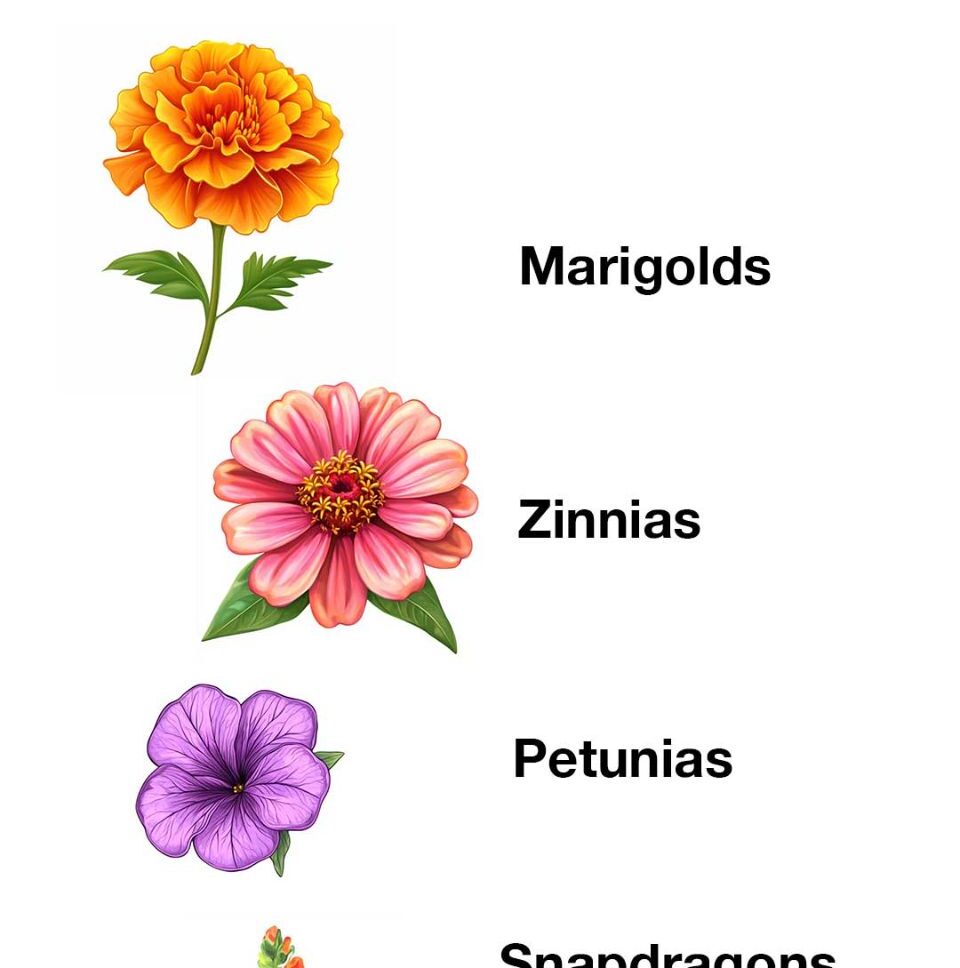
Marigolds are a popular choice for indoor seed starting due to their vibrant colors and pest-repelling properties. These hardy flowers are easy to grow and can be transplanted outdoors once the danger of frost has passed. Marigolds thrive in full sun and are excellent companions for vegetable gardens, as they deter pests like nematodes and aphids.
2. Zinnias: Easy-to-Grow Flowers with Long-Lasting Blooms
Zinnias are known for their ease of growth and long-lasting blooms, making them a favorite among gardeners. Starting zinnias indoors in February allows them to develop strong roots before being moved outside. They come in a variety of colors and sizes, adding a splash of color to any garden. Zinnias prefer full sun and well-drained soil.
3. Petunias: Versatile Flowers with a Wide Range of Colors
Petunias are versatile flowers that offer a wide range of colors and patterns. Starting them indoors gives you a jump on the growing season, ensuring a full display of blooms by summer. Petunias can be used in hanging baskets, containers, or garden beds, and they thrive in sunny locations with regular watering.
4. Snapdragons: Unique Blooms Perfect for Cool Weather
Snapdragons are unique flowers that are well-suited for cool weather, making them ideal for starting indoors in February. Their distinctive blooms come in a variety of colors and are perfect for adding height and interest to garden borders. Snapdragons prefer full sun to partial shade and well-drained soil.
5. Cosmos: Fast-Growing Flowers with Delicate Petals
Cosmos are fast-growing flowers with delicate, daisy-like petals that add a touch of elegance to any garden. Starting cosmos indoors allows them to establish quickly, providing a profusion of blooms throughout the summer. They are drought-tolerant and thrive in full sun, making them a low-maintenance choice for gardeners.
6. Pansies: Hardy Flowers Ideal for Early Spring Planting
Pansies are hardy flowers that can withstand cooler temperatures, making them perfect for early spring planting. Starting them indoors in February ensures they are ready to be transplanted as soon as the soil can be worked. Pansies come in a variety of colors and patterns and prefer partial to full sun with well-drained soil.
7. Sweet Peas: Fragrant Blooms with Climbing Tendencies
Sweet peas are known for their fragrant blooms and climbing tendencies, making them a charming addition to any garden. Starting sweet peas indoors gives them a head start, allowing them to climb trellises or fences by spring. They prefer cooler temperatures and full sun to partial shade, with regular watering.
8. Impatiens: Shade-Loving Flowers with Continuous Blooms
see continuation on next page
ADVERTISEMENT
