ADVERTISEMENT
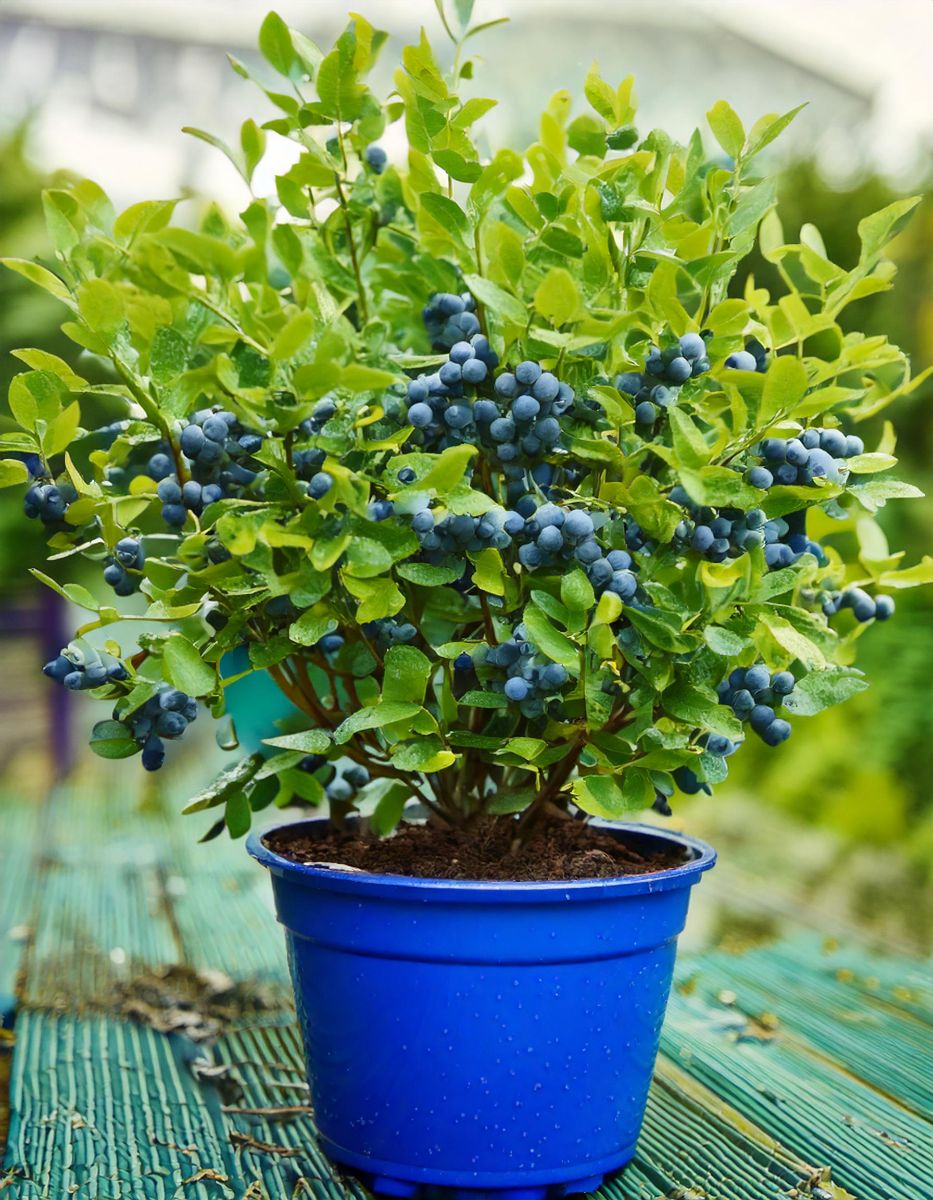
Blueberries are not only delicious but also packed with nutrients, making them a popular choice for home gardeners. Growing your own blueberries can be a rewarding endeavor, providing you with a fresh supply of fruit throughout the growing season.
With the right techniques and a little patience, you can cultivate a thriving blueberry garden in your backyard. This article will guide you through the essential steps to ensure a never-ending supply of blueberries, from understanding climate needs to effective planting and maintenance strategies.
Understanding Climate Considerations for Blueberry Cultivation
Blueberries thrive in specific climate conditions, typically preferring cooler climates with cold winters and mild summers. They require a certain number of chill hours, which are periods of cold weather necessary for the plants to break dormancy and produce fruit. In warmer regions, selecting low-chill or Southern highbush varieties can help accommodate the climate. Understanding your local climate and choosing the right blueberry variety is crucial for successful cultivation.
Ensuring Optimal Soil Acidity for Blueberry Plants
Blueberries require acidic soil with a pH between 4.5 and 5.5. Testing your soil’s pH level is the first step in preparing your garden for blueberry plants. If your soil is not naturally acidic, you can amend it by adding sulfur or using peat moss. Maintaining the right soil acidity is essential for nutrient absorption and overall plant health, so regular testing and adjustments may be necessary.
Effective Planting Techniques for a Thriving Blueberry Garden
When planting blueberries, choose a location with full sun exposure and well-drained soil. Space the plants about 4 to 5 feet apart to allow for proper air circulation and growth. Dig a hole twice as wide and as deep as the root ball, and mix in organic matter to enrich the soil. Water the plants thoroughly after planting and apply a layer of mulch to retain moisture and suppress weeds.
Protecting Your Blueberry Plants from Common Pests
Blueberry plants can be susceptible to various pests, including birds, aphids, and caterpillars. To protect your plants, consider using netting to deter birds and introducing beneficial insects like ladybugs to control aphid populations. Regularly inspect your plants for signs of pest damage and take action promptly to prevent infestations from spreading.
Pruning Blueberry Bushes for Longevity and Productivity
Pruning is an essential practice for maintaining healthy blueberry bushes and ensuring high yields. Prune your plants during the dormant season, removing dead or diseased wood and thinning out crowded branches. This encourages new growth and improves air circulation, reducing the risk of disease. Proper pruning can enhance fruit production and extend the lifespan of your blueberry bushes.
Harvesting Blueberries: Tips for Maximum Yield
Blueberries are typically ready to harvest when they are fully blue and easily detach from the plant with a gentle tug. Harvest regularly to encourage continuous fruiting and prevent overripe berries from attracting pests. Handle the berries gently to avoid bruising, and store them in a cool place to maintain freshness. With proper care, your blueberry plants can produce fruit for several weeks.
Exploring the Nutritional Benefits of Blueberries
see continuation on next page
ADVERTISEMENT
