ADVERTISEMENT
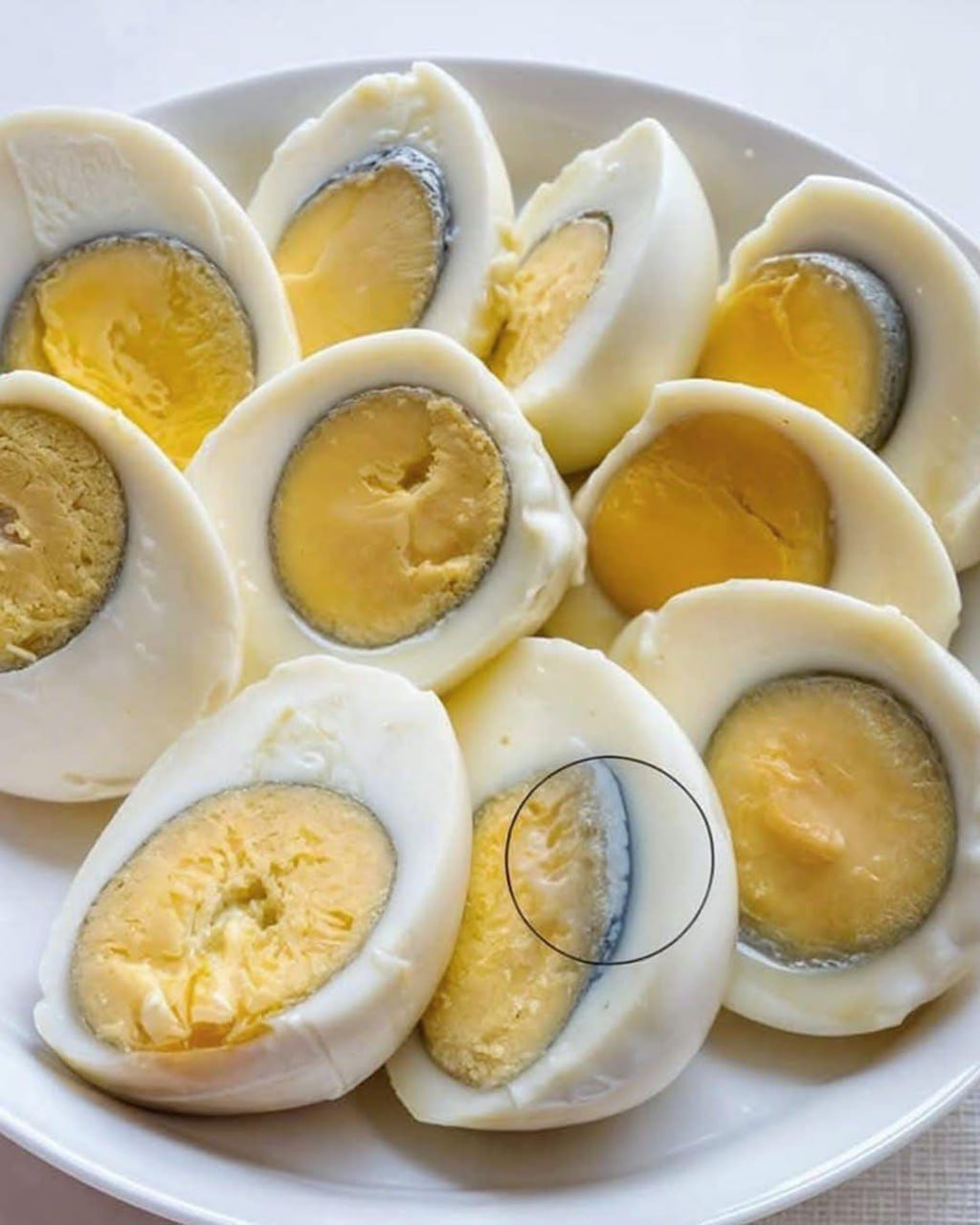
If you’ve ever cut into a hard-boiled egg and seen a greenish or grayish ring around the yolk, don’t worry—it’s not mold, spoilage, or a sign the egg is bad. It’s a harmless chemical reaction, but it can affect flavor and texture. Here’s what’s really happening—and how to prevent it.
🔬 What Causes the Green Ring?
The green/gray ring forms when iron in the yolk reacts with sulfur in the egg white, creating ferrous sulfide. This happens when eggs are:
- Overcooked
- Cooled too slowly after cooking
The longer and hotter the egg cooks, the more sulfur is released—and the darker the ring becomes.
✅ Good news: It’s perfectly safe to eat, but it can give the yolk a slightly sulfurous (“eggy”) taste and a chalky texture.
🥚 How to Prevent the Green Ring (Perfect Hard-Boiled Eggs Every Time)
1. Don’t Overcook
- Boil gently: Place eggs in cold water, bring to a rolling boil, then immediately remove from heat.
- Cover and let sit:
- Medium eggs: 9–10 minutes
- Large eggs: 10–12 minutes
- Extra-large: 12–14 minutes
2. Cool Rapidly
- As soon as time’s up, transfer eggs to an ice water bath.
- Let chill at least 10–15 minutes—this stops cooking and locks in that bright yellow yolk.
3. Use Slightly Older Eggs
- Eggs 7–10 days old peel more easily and are less prone to sulfur buildup than ultra-fresh ones.
❌ What Doesn’t Cause It
- Diet of the hen
- Artificial dyes
- Spoilage or bacteria (if the egg smells fine, it’s safe!)
❤️ The Bottom Line
That green ring is a classic sign of overcooking, not a food safety issue. With a few simple timing tweaks and an ice bath, you’ll get creamy, golden yolks every time—perfect for deviled eggs, salads, or snacking.
“Great eggs aren’t about luck—they’re about timing, temperature, and a bowl of ice water.” 🥚❄️✨
ADVERTISEMENT
