ADVERTISEMENT
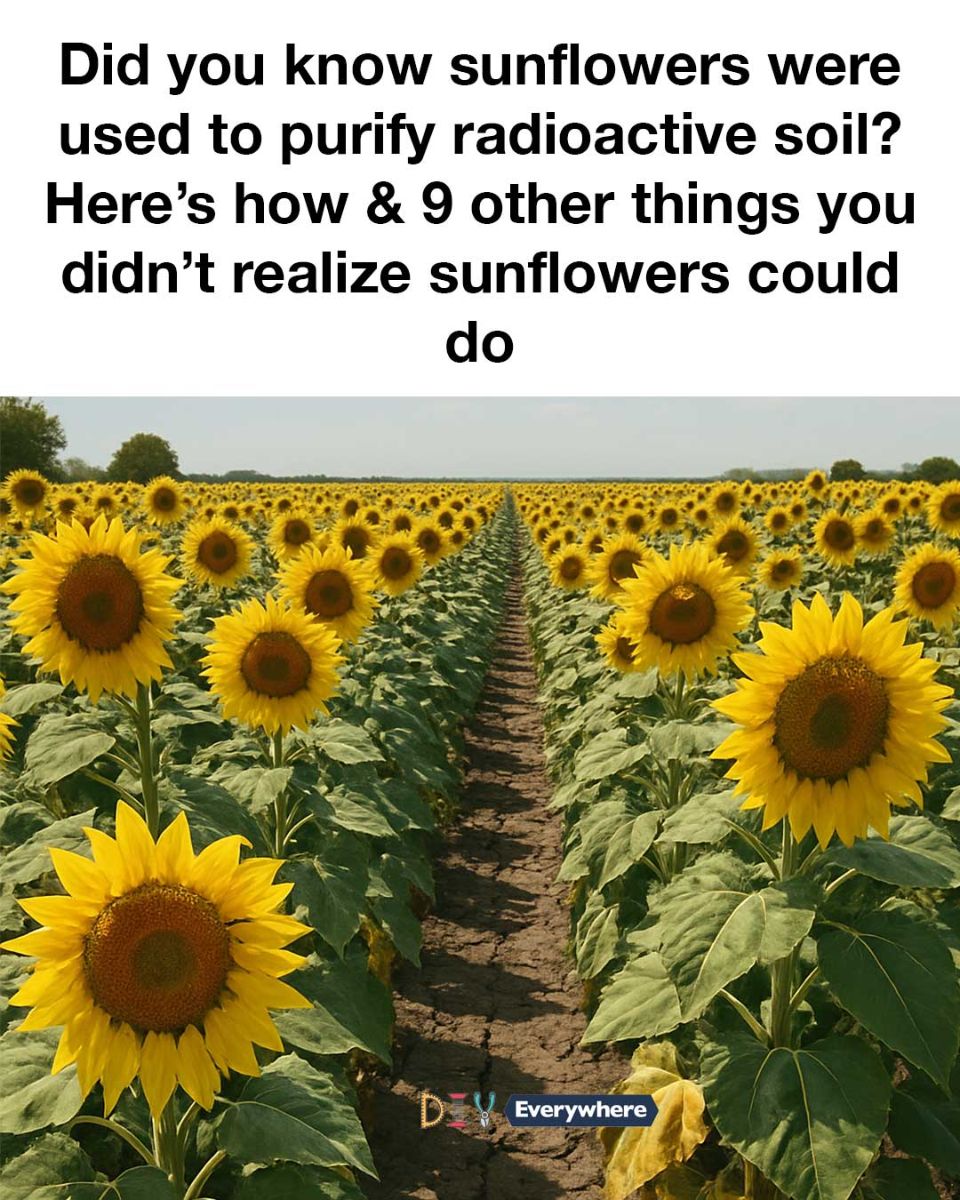
Sunflowers, with their bright and cheerful blooms, are often associated with sunny days and vibrant gardens. However, these remarkable plants are more than just a pretty face. Sunflowers have a multitude of uses and benefits that extend far beyond their aesthetic appeal. From environmental cleanup to providing nutritional benefits, sunflowers are truly a versatile and valuable plant.
In this article, we will explore ten fascinating and lesser-known uses of sunflowers. From their role in purifying radioactive soil to their use in art and culture, sunflowers have a rich history and a promising future. Join us as we delve into the many ways sunflowers contribute to our world, both environmentally and culturally.
Advertisement
1. Sunflowers and Phytoremediation: Cleaning Up Radioactive Soil
Sunflowers have been used in phytoremediation, a process that uses plants to remove contaminants from the environment. After the Chernobyl disaster in 1986, sunflowers were planted to help clean up radioactive soil. These plants are particularly effective at absorbing heavy metals and radioactive isotopes, such as cesium-137 and strontium-90, from the soil and water. In one study, sunflowers were shown to reduce radioactive contamination in water by up to 95% in just 10 days.
Their ability to absorb these harmful substances is due to their extensive root systems and rapid growth. Sunflowers can grow up to 12 feet tall, and their roots can reach depths of 6 feet, allowing them to access and absorb contaminants from deep within the soil. This makes them an invaluable tool in environmental cleanup efforts, not only in areas affected by nuclear disasters but also in sites contaminated by heavy metals and other pollutants.
2. Sunflowers as Natural Pest Deterrents
Sunflowers can act as natural pest deterrents in gardens and agricultural settings. Their tall stalks and large leaves provide a physical barrier that can protect more delicate plants from pests. Additionally, sunflowers produce allelopathic chemicals, which are compounds that can inhibit the growth of nearby plants and deter pests.
For example, sunflowers can repel aphids and other small insects that are harmful to crops. By planting sunflowers around the perimeter of a garden or field, farmers and gardeners can create a natural barrier that helps protect their crops from pest infestations. This eco-friendly approach reduces the need for chemical pesticides, promoting a healthier and more sustainable agricultural environment.
3. Sunflower Seeds: A Nutrient-Packed Snack
Sunflower seeds are not only delicious but also packed with nutrients. They are an excellent source of vitamin E, magnesium, and selenium, which are essential for maintaining good health. A quarter-cup serving of sunflower seeds provides about 82% of the recommended daily intake of vitamin E, a powerful antioxidant that helps protect cells from damage.
In addition to their nutritional benefits, sunflower seeds are versatile and can be enjoyed in a variety of ways. They can be eaten raw, roasted, or added to salads, granola, and baked goods. Their high protein and healthy fat content make them a popular snack for those looking to maintain a balanced diet.
4. Sunflower Oil: Health Benefits and Uses
Sunflower oil, extracted from sunflower seeds, is a popular cooking oil known for its light flavor and high smoke point. It is rich in unsaturated fats, particularly linoleic acid, which can help reduce cholesterol levels and promote heart health. Sunflower oil is also a good source of vitamin E, providing antioxidant benefits.
see next page
ADVERTISEMENT
